

College basketball roster-building discussions are dominated by how well each program is equipped to compete relative to the top of its conference. What staffs around the country will say, though, is that finances aren’t the only thing that matters.
They believe that finding value in unique places and developing players hasn’t gone out of style.
As a result, Basket Under Review has opted to identify a breakout player or under-the-radar contributor for every Power Five team in the country. The designation for each player is generally specified in their description.
We picked each player after intensive research and background conversations about what they’ve shown throughout the offseason.
By conference: ACC | Big East | Big Ten | Big 12 | SEC

ACC
Boston College: Luke Hunger
Hunger’s numbers don’t pop–even from his best-career season at George Washington in 2025-26, when he averaged 8.4 points and 5.1 rebounds per game–but Boston College coach Luke Murray and company believe they got good value here. Hunger has played 95 career college games and is a veteran in every sense—although he’s only started 23 games. The indication is that he’s likely to start more than that for Boston College this season. Hunger shot a career-best 31.1% from 3-point range a year ago, but Murray believes he can unlock him on the perimeter. He’s not likely to have a true breakout, but he’s an underrated engine of Murray’s first team.
California: Jake Wilkins
Wilkins' 4.9 points per game on 46.6% shooting didn’t stand out in his freshman season at Georgia, but he made a few flash plays and played some of his best basketball in Cal’s summer workouts this offseason. Wilkins will get a real opportunity to break out under Cal coach Mark Madsen and will benefit from a solid point guard in Georgia transfer Jordan Ross as well as a vacant go-to guy role on Madsen’s roster.
Clemson: Dylan Faulkner
Faulkner is among the most underrated players on the list entering his first season in the Power Five. He was nationally ranked in 12 of KenPom’s efficiency categories, averaged 17.2 points and 1.5 blocks per game a year ago at Samford and has the athletic tools to make a reasonably effective jump from the SoCon to the ACC. Faulkner is a bouncy, physical 6-foot-10 big man who shot 62.1% from the field a year ago. He’ll be thrown into the fire quickly at Clemson after Carter Welling’s injury and appears ready for the challenge. Basket Under Review has him as a third-team All-ACC player in the preseason.
Duke: Drew Scharnowski
 Joey Dwyer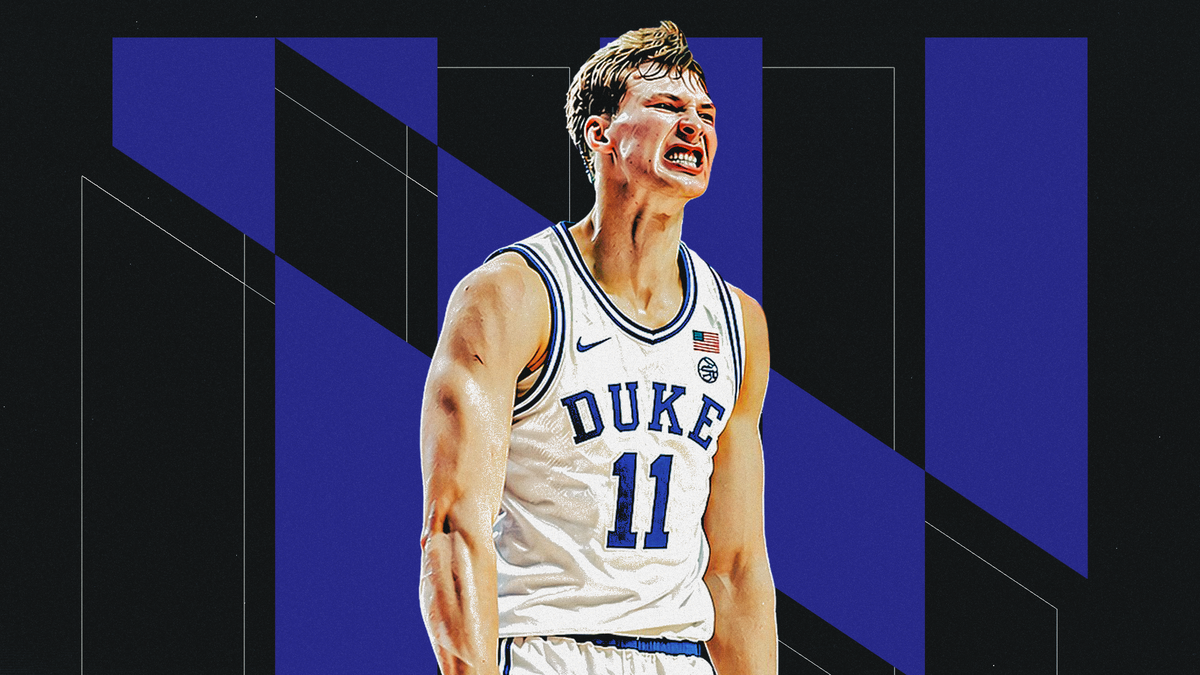
Scharnowski didn’t play in Duke’s exhibition due to injury and his Belmont statline of 10.7 points, 6.0 rebounds, 2.6 assists and 1.3 blocks doesn’t pop off the screen, but Duke coach Jon Scheyer has a rotational big man that will impact games on his hands here. In Scharnowski, Scheyer has an athletic, rim-running big man that was No. 28 in the country in two-point percentage and No. 48 in block rate a year ago. He won’t be a high-volume scorer, but he’ll be an every-night piece for Duke.
Florida State: Ant Robinson
Robinson is coming off of a down year at Missouri in which he was tabbed as one of college basketball’s biggest breakout candidates, but didn’t live up to the hype. It’s a fresh start for him at Florida State, though, where he returns to his hometown and will be one of Florida State coach Luke Loucks’ go-to guys in year two.
Georgia Tech: Tylis Jordan
Jordan was a borderline blue-chip guy out of high school just a year ago, but his stock dropped significantly after he redshirted and entered the portal after a year at Ole Miss. It appears that Georgia Tech coach Scott Cross and company feel they’ve struck gold with him, though. Jordan is a supremely talented 6-foot-9 wing, forward hybrid and could be a dynamic college player if he can clean up his shot selection, make the right play more often and embrace physicality more. Cross and company appear to be all in on his development.
Louisville: Adrian Wooley
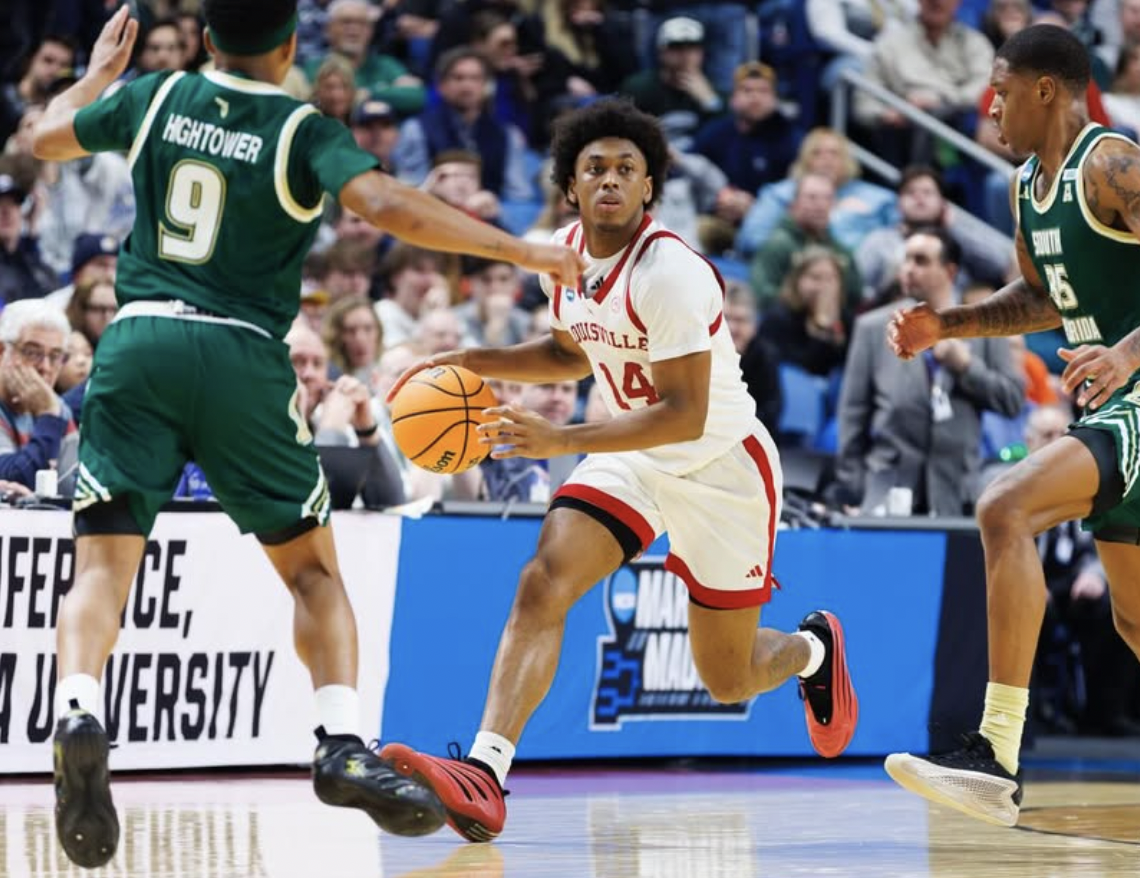
Wooley is hardly under the radar after starting 16 games for Louisville a season ago, but he’s one of America’s biggest breakout candidates entering his junior season and second season as a Power Five player. In Wooley, Louisville has a piece with all the tools to be a high-volume scorer and a go-to guy on a team that makes a deep run in the NCAA Tournament. Time to see if Wooley can break out.
Miami: DeSean Goode
Goode finally has his chance to be a Power Five player after paying his dues at IU Indy and Robert Morris. It appears as if he’s ready to seize his opportunity and impact winning for Miami as it looks to take a significant step forward in year two under Jai Lucas. Goode is an uber-efficient 6-foot-8 double-double machine that will have to make a transition up a level, but clearly has some translatable abilities. Lucas may have gotten a steal here.
North Carolina: Isaiah Denis
Denis made a statement in North Carolina’s exhibition win over USC by going for 14 points in 20 minutes after a freshman season in which he scored just 1.9 points per game and appeared in just 10. His 2025-26 season was altered by a broken finger, but now he’s healthy and looks like he’ll be a real contributor for North Carolina. Former North Carolina coach Hubert Davis would let Mike Malone into practice last season while Malone was in town for his daughter’s volleyball games, and Malone believed in what he saw from Denis enough to bring him back. Now, Denis looks for a breakout sophomore season.
NC State: Darius Adams
Adams was a McDonald’s All American out of high school, but didn’t live up to expectations as a freshman at Maryland. Now, he’s got a chance to fulfill his potential as a sophomore at NC State. NC State coach Justin Gainey and Adams have had a relationship for years and Gainey believes Adams’ developmental experience at Maryland will help him. Adams has added 15 pounds, improved his ball handling, is shooting it better and appears to have had the game slowed down for him since transferring.
Notre Dame: Jonathan Sanderson
Notre Dame coach Micah Shrewsberry believes all his best teams generally have two point guards that can play together and with Sanderson’s emergence, this team likely will. Gonzaga transfer Braden Smith will take the pressure off of Sanderson to be the primary ballhandler or a high-volume scorer, but Sanderson can hold his own right away. He’s tough, steady and has a bit of an edge to him that Shrewsberry thinks a piece of every great Notre Dame team needs to have. Sanderson won’t be on any all-league lists in the preseason, but he raises Notre Dame’s floor and ceiling.
Pittsburgh: Jalil Bethea
Bethea may be the most well known player on Pitt’s roster, but he’s yet to show that he’s worth the hype he generated as a highly-touted high schooler. He underwhelmed at Miami and was drowned out by more polished guards at Alabama, but Pitt coach Jeff Capel is giving Bethea a chance to prove that he can be one of the primary options on a Power Five team. Time for Bethea to break out and prove Capel right.
SMU: Jakub Szumert
When SMU’s players talk about who on their team should be more highly regarded than they are, Szumert often comes up. He’s a skilled 6-foot-9 combo forward that averaged 13.4 points per game in the Polish Basketball League a year ago. Szumert will have to add muscle and have the game slow down for him, but he clearly has the tools to be a versatile scorer and capable shot blocker at the four.
Stanford: Julius Price
Stanford coach Kyle Smith is clear that Price shouldn’t be compared to Ebuka Okorie, but he’s not resigned to the idea that Price is his next great under the radar freshman. Price’s superpower is his steadiness and he’ll likely be one of Stanford’s go-to guys as a result. Price may not be a one-and-done like Okorie, but he’ll be better than his ranking outside of the top 100 in his high school class would indicate.
Syracuse: Aiden Tobiason
Tobiason got injured in Syracuse’s first exhibition game against UConn, and is listed as day-to-day, but the Orange need his shot creation and shotmaking on a roster that lacks those traits for the most part. He had a breakout sophomore season for Temple moving to a more on-ball role last year, but still feels below the national radar. Tobiason impressed NBA scouts at G League Elite Camp, but not quite enough to get a combine invite. He said that teams want to see him use his 7-foot wingspan more effectively.
Virginia: Elijah Gertrude
Gertrude is the lone holdover from the Tony Bennett era in Charlottesville and appears to be in line to make a big step forward as a junior after averaging 1.7 points per game in 2025-26. Gertrude gets a mulligan for that season because he was coming off of an ACL tear, though. It appears as if he’s closer to the player he was in Virginia’s September exhibition against Vanderbilt, when he scored a team-high 10 points than he was a year ago. “He's shooting the ball much better. He's handling the ball much better,” Virginia coach Ryan Odom said. “He's defending at a high level. He's a guy that we're gonna count on this season.”
Virginia Tech: Kuol Atak
Just listen to Virginia Tech coach Mike Young talk about Atak. “He might be the best catch-and-shoot guy I’ve ever had.” Atak played just 12.4 minutes per game at Oklahoma last season, but averaged 7.0 points per game and shot 41.3% from 3-point range. Atak is also 6-foot-9, 215 pounds and could be a real factor alongside Virginia Tech’s core of old guys if he’s able to make a positive impact on games defensively.
Wake Forest: Gavin Placide
Wake Forest coach Steve Forbes told Basket Under Review this fall that he believes Placide can be a one-and-done if everything goes to plan. Forbes has coached his fair share of NBA players over the years and could be on to something with Placide, whose twin brother Gallagher will also be in Wake Forest’s rotation. Placide is a 6-foot-11, 245 pound freshman that was a top-100 recruit and will impact games with his ability to put the ball on the floor, shoot, defend and rebound at a high level. Forbes believes he’s got the full package here.
Big East
Butler: Samis Calderon
Calderon rarely saw the floor as a freshman at Kansas last season, but he routinely does things in practice that excite Butler coach Ronald Nored and company. Nored and company probably knew they were signing up for some development with Calderon—a 6-foot-8 sophomore—but recent reviews out of Butler have been positive in regard to the progress he’s made since arriving on campus.
Creighton: Austin Swartz
Swartz appears to have found his college basketball home at Creighton after transferring from Miami, and he’ll be repaid for his loyalty by being one of the focal points of Creighton coach Alan Huss’ first year at the helm. There’s buzz around Creighton that Swartz is in line for a noticeable junior-year leap under Huss. The noise coming out of Omaha appears to label Swartz both a leap candidate and an under the radar standout nationally after a season in which he averaged 10.9 points and was efficient from the field and 3-point range. Creighton aims to get back to the NCAA Tournament and if it does, Swartz will finally get the attention Creighton has been hoping he’ll receive.
DePaul: Kruz McClure
DePaul coach Chris Holtmann has raved publicly about McClure since the end of last season and he feels like its best candidate to have a breakout year after averaging 5.0 points per game as a freshman in 2025-26. The buzz is that McClure was excellent in DePaul’s secret scrimmage against Missouri and that he’ll be a significantly more dynamic scorer in 2026-27 than he was a year ago. DePaul’s staff clearly believes that throwing McClure into the fire a year ago positions him to be one of its every-night guys in 2026-27.
Georgetown: Josiah Parker
Parker was the AAC Rookie of The Year at Florida Atlantic last season and appears to be the subject of some real buzz inside the Georgetown program. Cooley told Blue Ribbon this summer that Parker reminds him of former Boston College star Jared Dudley. Georgetown has bigger names, but Parker’s versatility, efficiency and ability to grab it off the glass will help Georgetown right away.
Marquette: Damarius Owens
Those around Marquette have been waiting on a breakout from Owens for awhile now, but there’s optimism coming out of that program that this could be it. Owens has all the physical tools and has flashed previously, but he’s struggled to stay healthy and find his rhythm as a Power Five player. He’s finally healthy and appears to have a chance to prove that he can help a winning team consistently at this level.
Providence: Gavin Hightower
Hightower didn’t put up big numbers as a freshman at South Florida, but Hodgson brought him to Providence to be a steadying force. Hightower speaks Hodgson’s language and made his acclimation process easier as he took over the program. Hightower’s late-season play—particularly an NCAA Tournament outing in which he went for 12 points, four steals and three assists against Louisville—indicates that there’s plenty of development potential there for him.
Seton Hall: Simeon Wilcher
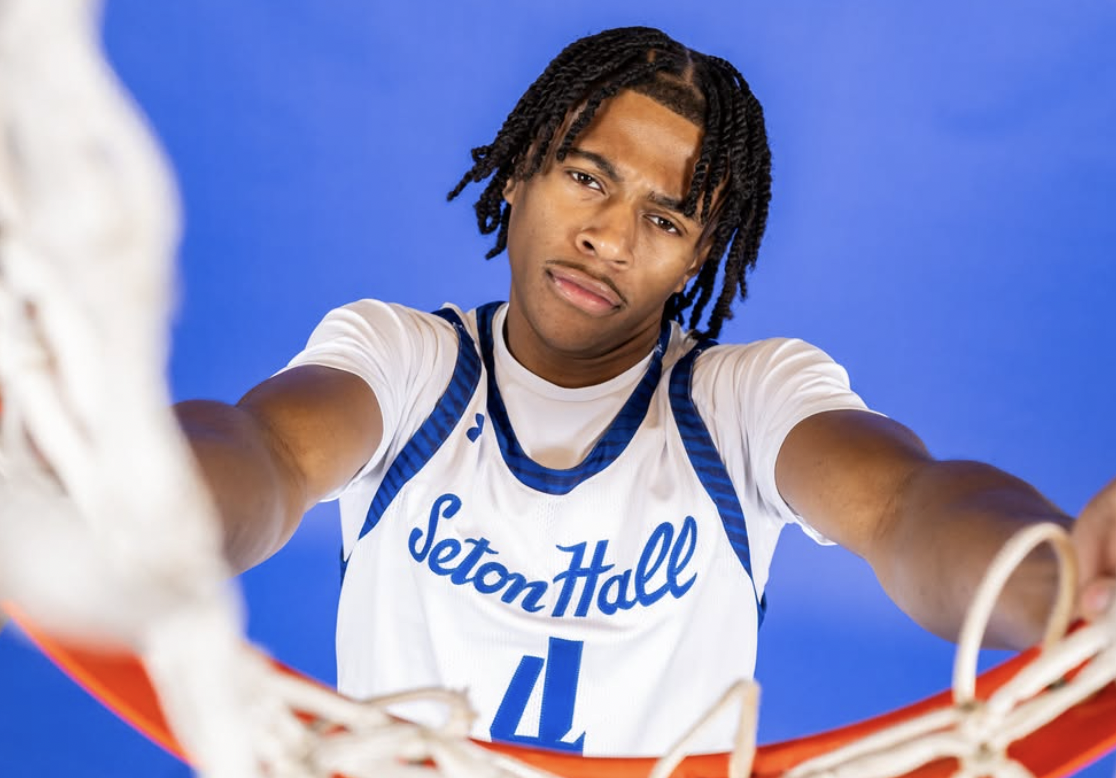
Wilcher isn’t under the radar, but he is a real leap candidate. He has to be if Seton Hall is going to have a chance in 2026-27. Seton Hall coach Shaheen Holloway recruited Wilcher to be the guy on this roster, not a role player like he was at Texas and St. John’s in his first three seasons as a college player. It’s taken an adjustment, but it’s time for Wilcher to do it.
St. John’s: Ruben Prey
Prey sat and waited his turn under St John’s stalwart Zuby Ejiofor. Now, it’s finally his time. Prey averaged a measly 2.1 points and 0.8 rebounds per game in 2025-26, but his combination of low-post moves, shot blocking, rebounding, athleticism and ability to step out give St. John’s real optimism in regard to what he can be—likely as its starting center. Prey’s 8.3 points and 3.3 rebounds per game in the NCAA Tournament last season provide hope that he can make a quick transition into a bigger role.
UConn: Junior County
It’s hard to pick an under-the-radar player for the Huskies, but if the first exhibition against Syracuse was any indication, the college basketball world might’ve been sleeping on County way too much. Dan Hurley has been praising County’s poise and readiness for the college game throughout the offseason, and it was on full display as the 6-foot-5 point guard was strong on both ends on Tuesday. While the Huskies may not need a ton of minutes out of him because of how good Silas Demary is, County will ensure that the drop-off might not be as significant as it may have seemed.
Villanova: Jake Fiegen
Fiegen graduated early from Cornell after just three years, making the jump to the high-major level where he’ll be a crucial bench contributor for the Wildcats. He’s an elite outside shooter, draining 40% of his over 5.5 attempts per game last season, but he also provides a level of toughness on the glass and on the defensive end that Kevin Willard is sure to appreciate. Villanova’s roster is full of players with good all-around skillsets, but maybe not necessarily many elite traits. Fiegen’s shooting is a truly elite trait, but he’s not just a pure specialist.
Xavier: Gabriel Pozzato
During Pozzato’s freshman year at Evansville, he slotted in a bunch of offensive positions and scored the ball at a high clip. Because of a meniscus injury that ended his 2025-26 season in August and an exciting transfer class this offseason, he’s slipped below the radar. But if he’s fully healthy, he is a dynamic, multi-dimensional scorer at 6-foot-7 with excellent athleticism.
Big Ten
Illinois: Lincoln Williams
All eyes are on Illinois freshman guard Quentin Coleman, but Williams seemingly played his way into relevance throughout Illinois’ summer and fall practice sessions. Williams appeared to be a long-term addition when he joined Illinois as a three-star local prospect, but he’s one of the best athletes on Illinois coach Brad Underwood’s roster and should fill a role for Underwood off the bench if he’s able to defend Power Five players. It’s hard to know exactly how much Williams will impact games on an Illinois team with an elite top end, but he’s set to have a chance.
Indiana: Darren Harris
If Indiana is going to hit its ceiling in year two under Darian DeVries, then Harris—a Duke transfer—needs to be a big part of the reason. Harris was Peach Jam MVP for Team Takeover and a dynamite scorer in both EYBL and the WCAC in high school, but two years removed from his time at Paul VI, he hasn’t truly made his mark. In truth, Duke just had too many good two-way players for Harris, who isn’t a great defender, to see the floor. With more freedom to play his game, Indiana might have a stud scorer hiding in plain sight.
Iowa: Ty’Reek Coleman
Iowa coach Ben McCollum believes that Coleman would’ve broken out this coming season had he stayed at Illinois State and that Iowa got good value here because it caught him before the breakout. Coleman has all the tools to take a step forward from his 10.0 points and 1.8 assists per game despite the transition from the MVC to the Big 10. He can score it from all three levels. He’s got capable size positionally and has encouraging underlying efficiency numbers. Iowa likes Coleman as a long-term piece, but also a plug and play guy.
Maryland: Andre Mills
Mills is a Buzz Williams guy through and through. He redshirted for Williams and company at Texas A&M, followed Williams to Maryland and chose to stay despite a disastrous 2025-26 season. Mills was among the bright spots in year one for Williams and is a program guy. He’s more than that, though, and demonstrated a year ago—with two 30-point games in 2025-26—that he’s capable of averaging more than the 12.2 points per game than he did a year ago.
Michigan: Ricky Liburd
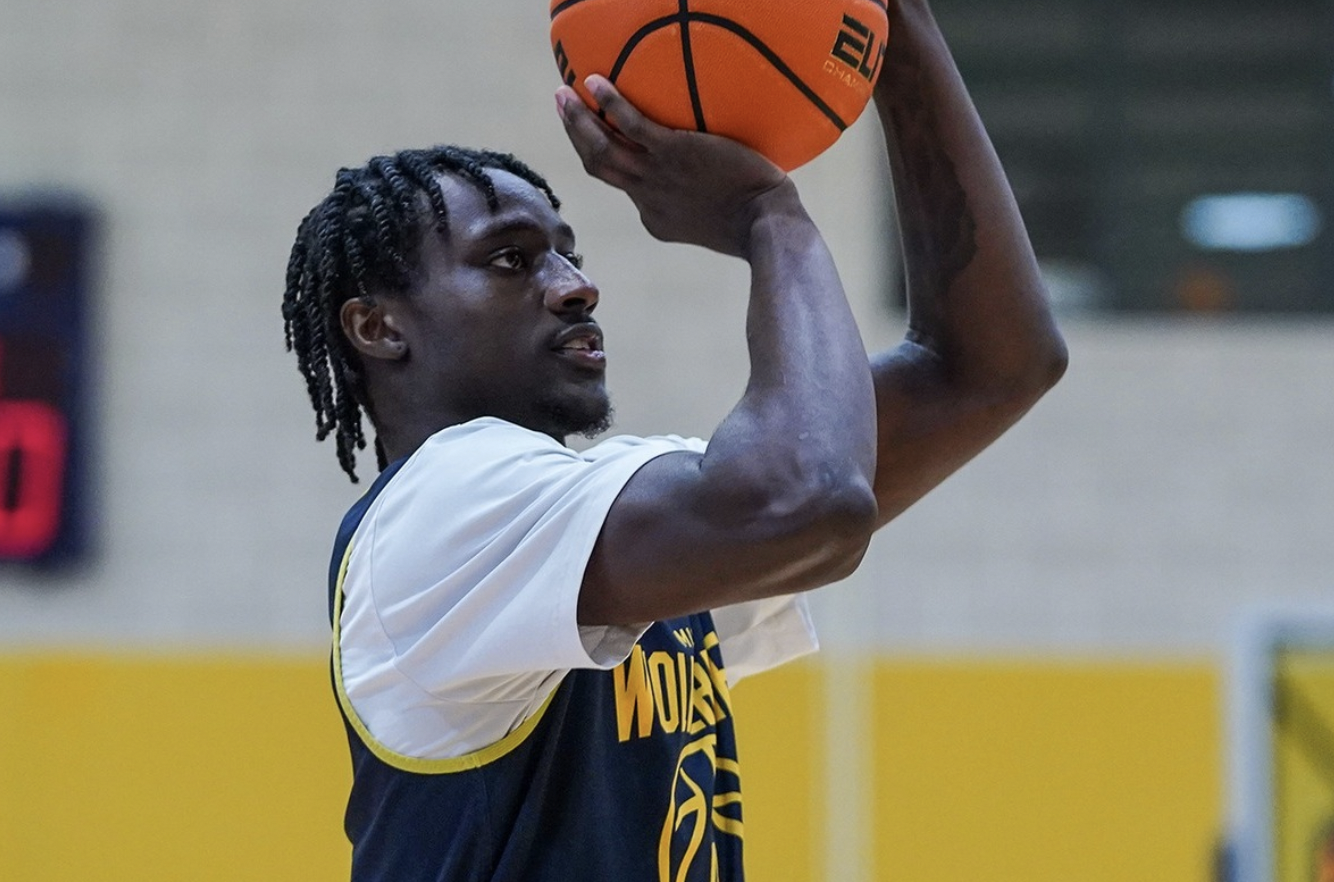
Brandon McCoy’s injury means that Michigan will have a lot of minutes to fill on the wing. While Roddy Gayle’s return helps, a huge jump from Liburd in his sophomore campaign could be in store. Liburd was mostly a mid-major recruit, but Dusty May believed in him, usually a good sign of a player’s caliber. He’s a versatile wing defender that can hit outside shots and run in transition. He’s got toughness and now a year in the system under his belt.
Michigan State: Jesse McCulloch
Michigan State coach Tom Izzo declared that McCulloch had the best summer of anyone on his roster. It’s difficult not to think that McCulloch could take some sort of leap after averaging 2.4 points per game and fouling far too often as a freshman. He’s got the physical tools at 6-foot-11, 245 pounds and his 20-point showing in Michigan State’s exhibition win over Incarnate Word indicated that his skillset is starting to match his frame.
Minnesota: Bobby Durkin
Those in Minnesota know about Durkin and what he can do, but he’s rarely brought up nationally; and he probably should be. The only Big 10 players that shot it more efficiently from 3-point range on qualified volume in 2025-26 were Nebraska wing Pryce Sandfort and Ohio State’s John Mobley Jr. Durkin ranked No. 387 in the country in offensive rating, No. 154 in effective field goal percentage, No. 190 in true shooting percentage and No. 274 in 3-point percentage in 2025-26.
Nebraska: Braden Frager
 Joey Dwyer
It’s kind of cheating to say that Frager is under the radar, but he has what it takes to make an even bigger jump. He’s an athletic 6-foot-7 shooter who made himself indispensable to the Cornhuskers down the stretch. He ranked second amongst non-big men in rim FG% in the Big Ten last year at 73% and drilled 36% of his threes on high volume. If Nebraska puts the ball in his hands a little bit more and he takes a few strides on the defensive end, he could be talked about as an NBA Draft prospect a year from now.
Northwestern: Jake West
Jake West is a wiry and thin point guard, but he packs toughness and athleticism into that frame. He didn’t play scared as a freshman, and took the reins of Northwestern’s offense in mid-January. With a full offseason to add to his frame, a year under his belt to get used to the physicality of the Big Ten, and the full keys to Chris Collins’ offense from day one, West is one of the easiest breakout picks in the conference.
Ohio State: Andrija Jelavic
Jelavic flashed at Kentucky in 2025-26 as he started its final 20 games and averaged 5.5 points and 4.0 rebounds a game. Ohio State clearly believes there’s more in there for him than he was able to show as a complementary player on a talented Kentucky team. Jelavic won’t be Ohio State’s go-to guy, but he’ll likely have more usage than he did a year ago as a stretch four. Perhaps 2026-27 could look more like Jelavic’s final year overseas—when he averaged 11.4 points, 7.3 rebounds and 1.6 assists per game—than his year at Kentucky.
Oregon: Dwayne Aristode
Oregon’s entire roster feels like it at one point was on a breakout list like this one. This year, Arizona transfer Aristode has a chance to break out as a sophomore. There are a lot of veterans on the depth chart, but Aristode has as much upside as anybody on the Ducks’ roster, and should be able to play in a less rigid role if he can win enough minutes. He can do a little bit of everything.
Penn State: Jay Rodgers
Penn State clearly knows how important Rodgers is to it, but he’s under the radar in regard to the rest of the league. Rodgers is exactly the type of player Penn State needs to have leading it in the modern era. He’s got abilities that can quickly translate from the NEC to the Big 10–particularly his passing ability, which manifested in 6.9 assists per game a year ago. He’s got a chip on his shoulder from being lightly recruited as a high schooler and playing for Central Connecticut, which doesn’t provide cost of attendance. He’s tough and has led upsets of Power Five programs before. Now, he’s out to prove he can play every night at this level.
Purdue: Luke Ertel
Joe Jackson wrote about Ertel on this site not long ago, and you should read it. Because he’s right. Ertel is an underrated Indiana point guard that Matt Painter went out and signed early in the process. Sound familiar? He’s the next Braden Smith. He might not have quite as good of a career, but he’s going to step in on day one and make everybody around him better.
Rutgers: Will Sydnor
Sydnor didn’t play in 2025-26 due to an eligibility issue, but Rutgers’ coaching staff appears to view that as a blessing in disguise. Sydnor won the MAAC Rookie of The Year award at Manhattan in 2024-25 after averaging 13.9 points and 6.8 rebounds per game and has effectively developed through a 'redshirt' year since then. He blends a 6-foot-9 frame with ball-handling skills and a perimeter shot. Unlike at Manhattan though, he won’t be the Scarlet Knights’ primary rim protector. If he buys into his role on both ends, he can unlock some high-end skills for Rutgers.
UCLA: Filip Jovic
While the Bruins won’t have the frontcourt scoring that they had with Tyler Bilodeau last season, they upgraded their toughness level with the additions of Jovic and Sergej Macura. Jovic was a big-time international recruit a year ago for Auburn, but didn’t fit perfectly with the Tigers. He lives at the foul line and dominates the offensive glass,
USC: Jadis Jones
Jones entered the portal a year ago, but was humbled when he received very little Power Five interest and returned to Lindenwood. He went back and proved that he belonged at this level by averaging 15.3 points on 57.4% shooting from the field and 8.5 rebounds per game in 2025-26. The fit is questionable here for Jones—who took over games as a high-volume downhill driver a year ago and isn’t a threat from 3-point range—but he’s got dynamic elements that could help him become a swiss-army knife type.
Washington: Nikola Dzepina
Washington coach Danny Sprinkle declared that he has two breakout players on his roster in junior big man Lathan Sommerville and Dzepina, but Sommerville–who has started 22 college games and played in 54–is more of a known commodity at this point. Dzepina still doesn’t even have a picture on his ESPN profile despite playing in 14 games for Washington as a freshman in 2025-26. Dzepina joined Washington in December of last season and was thrown into the fire immediately. Now, he’s got a full offseason under him and can lean on his experience from a year ago as he becomes an x-factor for Washington in 2026-27.
Wisconsin: Eian Elmer
Elmer isn’t an unknown at this stage, but Wisconsin coach Greg Gard doesn’t appear to be resigned to the idea that Elmer can be even better in the Big 10 than he was as a member of Miami University’s undefeated regular season. Elmer averaged 12.7 points per game on 42.9% shooting from 3-point range for that team. Gard compares Elmer’s frame and skillset to former Wisconsin star John Tonje and declares that he has what it takes to make the adjustment to the Big 10 physically. That's why he’s listed here.
Big 12
Arizona: Derek Dixon
Nobody is really under-the-radar at Arizona, but Dixon is in a system that will allow him to shield some of the weakest points of his game, and display what he’s good at. Arizona’s system creates a high volume of quality rim attempts, which will help Dixon’s rim finishing improve, while he’ll be relied upon for playmaking and outside shooting, which were his strengths at North Carolina.
Arizona State: Dillan Shaw
Shaw was one of the best freshman shooters in the country last season. He drilled over 41% of his threes at 6-foot-7 for Saint Mary’s, and is primed for a more prominent role in Randy Bennett’s offense at Arizona State. If the Sun Devils are going to reach their ceiling, Shaw needs to do more than just shoot though. He must continue to play strong wing defense while also helping the bigs on the glass, and the guards with a little bit of extra ball-handling responsibility.
Baylor: Maikcol Perez
Perez missed the 2025-26 season with a torn ACL, but he should return to the floor for Baylor this season. When he does, he’ll give Scott Drew some athleticism, positional size and feel for the game on the wing. Perez isn’t likely to come close to the 14.6 points and 8.6 rebounds per game he averaged while leading the U17 Italian National Team to a silver medal, but he could be a solid under the radar complementary player for Baylor if he’s healthy.
BYU: Tyler Betsey
It was a janky fit on a bad Syracuse team, but Betsey shot 40% on over 120 three-point attempts last year. In a more spaced-out system where he’s not the only shooter on the floor, Betsey will have more shots created for him, and could become one of the most reliable bench shooters in the Big 12.
Cincinnati: Elijah Perryman
Jerrod Calhoun wouldn’t have brought Perryman to Cincinnati from Utah State if he didn’t think there was a role for him on this Bearcat team. He’s an bursty and sturdy guard who gets to the paint with his speed, and always finds his way around the basketball. He’s not a great shooter, but ambitious and decisive passing along with stout defensive playmaking more than make up for his paltry shooting numbers. He’ll probably find himself relegated to that same bench role as last year, but he’s already proven that he’s capable of impacting the game from that spot.
Colorado: Jalin Holland
6-foot-5 wing Holland made Colorado’s offense 10 points per 100 possessions better during Big 12 play as a freshman. He did that while shooting just 27.8% from deep. Tad Boyle said that Holland spent the entire offseason focused on improving his outside shot to the point where teams have to respect him, it can make the offense even more efficient, adding onto his versatile defensive impact.
Houston: Chase McCarty
The Cougars have a backcourt void to fill after losing three star guards. Kelvin Sampson added two expected starters in the transfer portal, but for the third spot, he’s trusting his internal development. Both Mercy Miller and McCarty have waited their turns, fought through wars, and provided solid bench minutes for the Cougars. It’s hard to pick one, as both are long and athletic and play hard, but McCarty is the choice because of his outside shooting potential. His teammates say that he’s assumed a leadership role in the locker room as well.
Iowa State: Jamarion Batemon
With Killyan Toure out for the first part of the season, Batemon will get plenty of opportunity as an off-ball guard next to ISU’s bulldog point guards. Batemon played his best basketball last season as the regular season came to a close. He might be a year away from truly becoming a star, but he’ll show more and more flashes this season with more chances on the floor.
Kansas: Kohl Rosario
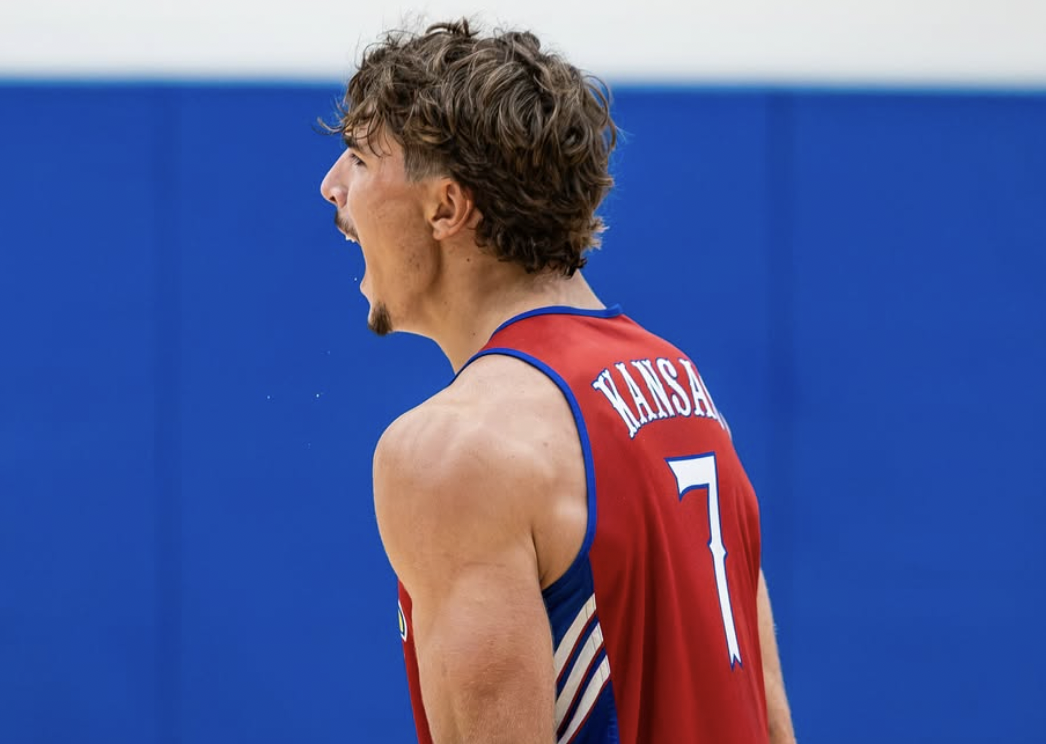
He may have slid down in the rotation with the returns of Tre White and Melvin Council, but Rosario is still set up to make a leap and provide versatility and athleticism on the wing for the Jayhawks. While he played his way out of the lineup last year, he impressed Bill Self enough in the leadup to his freshman campaign that he was a starter on opening night. Self said that his confidence and shooting have improved ahead of his sophomore season.
Kansas State: Brandon Rechsteiner
Rechsteiner is a known college basketball commodity, but Kansas State believes he’ll take a step forward as its lead guard. Rechsteiner—a Colorado State transfer—had eight makes from 3-point range in Kansas State’s exhibition win over Tulsa. Alexander said that Rechsteiner is his team’s best shooter and appears to believe there’s more in the tank than what Rechsteiner showed as a sophomore while averaging 7.0 points per game at Virginia Tech—his last Power Five stop.
Oklahoma State: Anthony Felesi
Steve Lutz quietly brought in a top 15 recruiting class, per 247Sports, and Felesi is the most intriguing of the group. He already made an impact with 18 points in an exhibition loss to New Mexico, and will be an important two-way guard for the Cowboys this season. Felesi is an excellent defender who plays with a high motor and can guard multiple positions thanks to his length and strength.
TCU: Trent Lincoln
The jump from JUCO to a high-major is a significant one, but TCU had success with Xavier Edmonds last year, and there’s reason to believe that Lincoln can be the next breakout JUCO transfer in Fort Worth. Jamie Dixon wants to use the 6-foot-3 reigning JUCO Player of the Year in both guard spots, allowing two playmakers to be on the floor when he’s with Brock Harding, and raising the level of the backcourt defense when Harding isn’t.
Texas Tech: Dakari Spear
While Spear struggled shooting the ball in EYBL last summer, he bounced back with an elite shooting high school season for one of the best high school teams in the country. As a 6-foot-5 combo guard, he shot over 40% on off-the-dribble threes during the OTE season. Spear is also one of the better guard defenders in this recruiting class, with an athletic and projectable frame and a nose for the ball. The Red Raiders have a ton of off-the-dribble shot creation, but Spear is capable of scaling down to an explosive 3-and-D deluxe if that’s what Grant McCasland calls for.
UCF: Jahda Swann
Swann was originally committed to Hofstra, but de-committed, transferred high schools, and ended up without a home until June, when he finally committed to the Knights. While it may take the New York City product a little bit of time to adjust to the college game, he has upside to play multiple backcourt positions and give UCF scoring at multiple levels, both off the bounce and off the catch.
Utah: Babacar Faye
Faye missed the 2025-26 season with injury and is off the map as a result, but he’ll help Utah with his length and experience if he’s healthy. He averaged 15.2 points, 7.8 rebounds and 1.1 steals per game while shooting 53.7% from the field while healthy in his last season at Western Kentucky. Utah coach Alex Jensen clearly hasn’t forgotten about that and could use Faye as a go-to guy if he’s healthy in 2026-27.
West Virginia: Martin Somerville
Perhaps WVU would’ve been slightly better off adding a defensive stopper as their backup point guard, but they didn’t go wrong with Somerville, a scoring guard who oozes potential. He was dynamic but inefficient in his first high-major rodeo at Florida State last year, but can use that experience to help unlock games and spell either Miles Salder or Finley Bizjack’s minutes. He’s a combo guard that can play either spot. During his freshman season at UMass Lowell, he shot over 40% from beyond the arc on 5.8 attempts per game.
SEC
Alabama Cole Cloer
Cloer missed his last high school season and joined NC State early to sit out and develop in Raleigh before playing his first college minutes, but Alabama coach Nate Oats and company didn’t appear to believe his stock had dropped any. Oats still believed that Cloer is the same guy that was the No. 59 player in the class of 2027 and that he would give Alabama a dynamic 6-foot-7 shooter to complement Amari Allen and Aden Holloway. Cloer went for 14 points on 4-for-10 shooting in Alabama’s exhibition win over Furman.
Arkansas: Abdou Toure
Toure will play right away for Arkansas in 2026-27, and he won't just play. He’s built a brand off of being a physical downhill driver that can punch it around the rim and the rumblings out of Fayetteville are that his guard skills are catching up to his ability to bully his way to the basket. Toure has the ability to become a first-team all-league defender at some point in his career, but Arkansas coach John Calipari will love the versatility he has–the potential to guard one through four–and the tools he has right away. Expect Toure to impact some games for Arkansas in the near future.
Auburn: Adam Olsen
 Joey Dwyer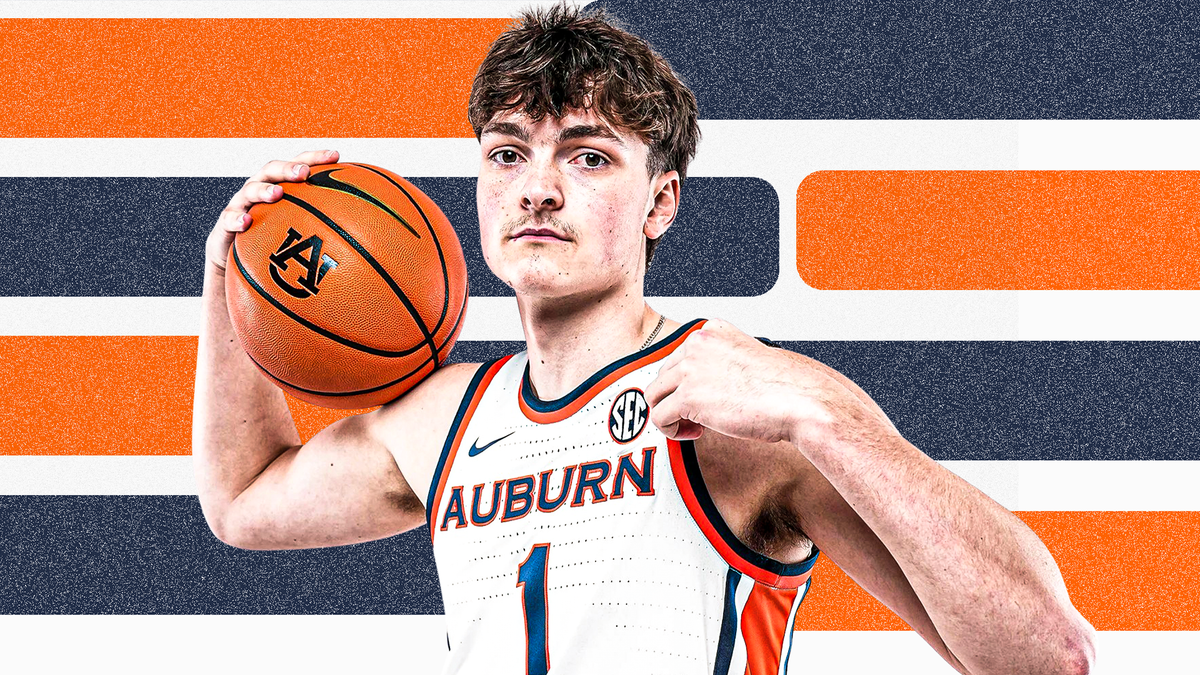
Thomas Dowd has received much of the offseason buzz for Auburn, but Olsen could have a similar impact on games–although in a different way. Olsen is a 6-foot-8 sniper–that shot 39.5% from 3-point range a season ago–with a high release point and an ability to get his shot off of different platforms. It appears as if his skillset will translate easily to the SEC on the offensive end and that he’ll be a nice complementary piece alongside Auburn’s veteran guard duo Tahaad Pettiford and Kevin Overton–who will create most of the group’s offense. Olsen also has more off the bounce game than he gets credit for.
Florida: Isaiah Brown
Brown fought for minutes as a freshman on an eventual No. 1 seed a year ago, but proved to be a winning player when he did get on the floor. The opportunity for a true breakout year is limited considering how much Florida has coming back, but Brown was Florida’s second-most efficient 3-point shooter a year ago and should be better after representing Puerto Rico at the 2026 Central American and Caribbean Games this summer. Brown is a standout athlete and has the potential to be one of Florida’s most valuable defenders in 2026-27 and says the game has slowed down for him entering his sophomore season. Expect more than 5.5 points per game and an impact that doesn’t show up on the box score for Brown.
Georgia: Kareem Stagg
Stagg clearly earned Georgia coach Mike White’s trust as a freshman in 2025-26 and started nine games for Georgia before the season was over. Now, he should be an every-game starter for Georgia in 2026-27. Stagg averaged 3.8 points in 10.1 minutes per game in the first 23 games of his freshman season, but averaged 6.9 in 19.3 minutes per game in the last 10. White describes Stagg as an old-school player and believes he can take a significant step if he ups his intensity, rebounding ability and defensive play. For now, though, Stagg can score it in a number of different ways and has an impressive frame.
Kentucky: Mason Williams
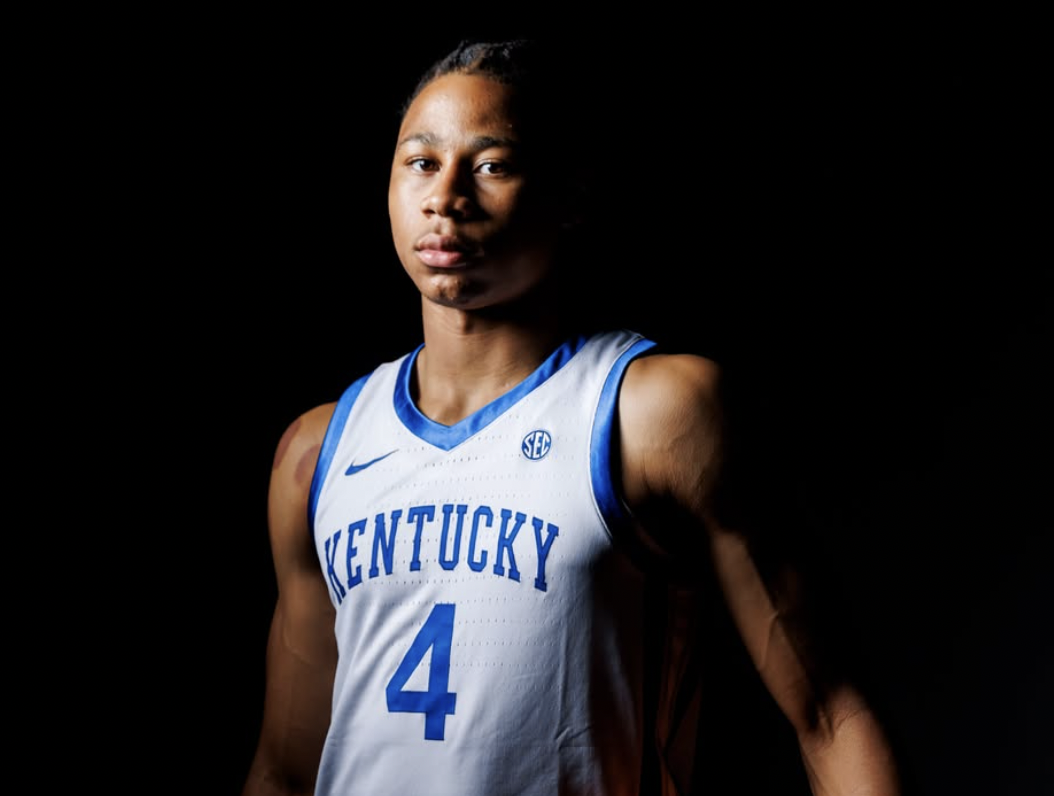
Williams is the rare non-top 100 recruit at Kentucky, but he hasn’t let that stop him from impressing Kentucky coach Mark Pope enough to put himself in the conversation to get real minutes. It already appears that Williams' 6-foot-3 body is ready for the SEC and that his basketball IQ–likely shaped by being the son of former NBA point guard and current Kentucky assistant Mo Williams–will help to get him on the floor when Kentucky guards Zoom Diallo and Alex Wilkins leave it. Williams may not be a stat-sheet stuffer right away, but he can use his reliability to his advantage and get on the floor.
LSU: Saliou Niang
Niang is still battling for eligibility after averaging 8.9 points and 5.1 rebounds per game for Virtus Bologna–an Italian professional team–in 2025-26, but LSU coach Will Wade and company are seeing Niang’s battle through because of the impact they think he can make. Niang was drafted No. 58 overall by the Cleveland Cavaliers in the 2025 NBA Draft and reportedly had Duke and North Carolina as suitors when he opted to play college basketball this season for a reason. LSU loves Niang’s athleticism, passing, feel and considers him an elite defender. Now, the question is whether he will ever be on the floor for Wade.
Mississippi State: Tristan Reed
Reed already looks the part at 6-foot-10, 250 pounds and is the type of powerful athlete that Mississippi State coach Chris Jans’ best teams have generally had in the frontcourt. The idea is that Reed will already be able to make plays with his back to the basket as a freshman and will be able to take advantage of his opportunity on a team that hasn’t been able to attack the frontcourt as hard in the portal as others for financial reasons. Reed is a top 100 recruit, but is off the national radar at this stage. He’s likely to get on it quickly.
Missouri: Bryson Tiller
Tiller is a well-known name and isn’t much of an under the radar guy, but Missouri believes that he will break out under coach Dennis Gates. Just listen to how Gates talks about him. "Let's not even sugar coat it: He should, and I want him to, have a better career than Mark Mitchell,” Gates said. “It's just that simple. I truly believe he has the potential, he has the talent. If it's done right, I don't think you guys will see him long in a Missouri uniform." Tiller averaged 7.9 points and 6.1 rebounds per game at Kansas a season ago, but it’s almost a near inevitability that he’ll take a significant step in both areas.
Oklahoma: Derrion Reid
Reid scored in double figures in 12 of Oklahoma’s last 15 regular season games and all three of its SEC Tournament games and it expects him to keep that pace through a full season as he enters his junior season. The buzz out of Norman is that Reid has benefitted significantly from returning to Oklahoma and playing with veteran point guard Xzayvier Brown for the second-consecutive season. They also rave about how he’s developed his perimeter playmaking ability. Reid’s numbers took a significant jump between his freshman year at Alabama and sophomore year at Oklahoma and Oklahoma coach Porter Moser believes the natural progression for him is another leap.
Ole Miss: Patton Pinkins
Ole Miss doesn’t have much buzz surrounding it, but Pinkins is clearly one of the biggest breakout candidates in the SEC as he enters his sophomore season. Pinkins averaged 9.3 points per game on 42.2% shooting from 3-point range, was the second all-time leading 3-point shooter in Ole Miss history and showed a knack for making plays in the clutch as a freshman. Now, he’ll be a go-to guy and can demonstrate more of his ability to create his own shot. Don’t be surprised if Pinkins is on an All-SEC team by season’s end.
South Carolina: Aleksas Bieliauskas
Bieliauskas isn’t a high-volume scorer and will go under the radar as a result, but he’s a nice piece for South Carolina coach Lamont Paris that can help to sure up its interior. He started 28 games for Wisconsin a year ago and gives South Carolina a body that can hold up against most SEC bigs at 6-foot-11, 250 pounds. Bieliauskas isn’t a complete non-factor offensively, either. He averaged 4.9 points in 20.2 minutes per game while shooting 34.6% from 3-point range on 2.3 attempts per game last season.
Tennessee: Dewayne Brown
Brown is the obvious candidate on this Tennessee roster to be significantly better than he was a year ago and is often the forgotten man on it because of its high-profile transfer class. In Brown, Tennessee coach Rick Barnes has a blue-collar player that is a microcosm of what he looks for. He also has a frontcourt piece that he believes has significantly improved his perimeter game and is a leader of a group that will have to mesh quickly. Brown averaged 4.8 points a year ago, but is on track to be a program stalwart in Knoxville if he wants to be.
Texas: Amari Evans
Evans is both a breakout candidate and an under the radar piece of a loaded Texas roster. It’s not as if Evans will be a go-to guy for Texas offensively, but he’ll surely average more than the 4.1 points per game he did for Tennessee a year ago. More importantly, he’ll be a defensive ace and an all-around winning player for coach Sean Miller and company. Evans is a swiss-army knife type piece that can use his 6-foot-5, 220 pound frame to slow down other team’s best players and is capable enough offensively to pick Texas up on off nights from its go-to guys.
Texas A&M: Jalen Shelley
Shelley wasn’t quite ready as a freshman at USC, but had a monster sophomore season at Loyola Marymount as a sophomore–averaging 13.7 points per game on 45.7% shooting from 3-point range and 6.6 rebounds per game. Shelley is also a competent enough shooter that some SEC teams will have to guard him on the perimeter. He’s yet to prove it at the Power Five level, but Texas A&M coach Bucky McMillan compares him to now-NBA wing Herb Jones in that he has point guard skills, the frame to be a standout defender, can shoot it and can see the game. The key for Shelley is to bring it consistently on the defensive end and to have the game slow down for him.
Vanderbilt: Ant Brown
Don’t let Brown’s rankings outside the top 75 in the high school class of 2026 fool you, he’s got a chance to be a pro and it may not take all that long for him to be ready for that. Brown is one of the most dynamic off the bounce scorers in the country’s freshman class–he scored over 2,000 points as a high schooler and 50 in a game–and has proven that he’s ready to play as a result of his all-around game. Brown sealed Vanderbilt’s exhibition win over Virginia with a pair of flashy assists to freshmen Gabe Nesmith and Jackson Sheffield, which lines up with the raving Vanderbilt’s staff has done in regard to his passing this offseason. Vanderbilt coach Mark Byington says Brown will play and make a real impact right away, and it doesn’t appear that he’s being misleading.
