


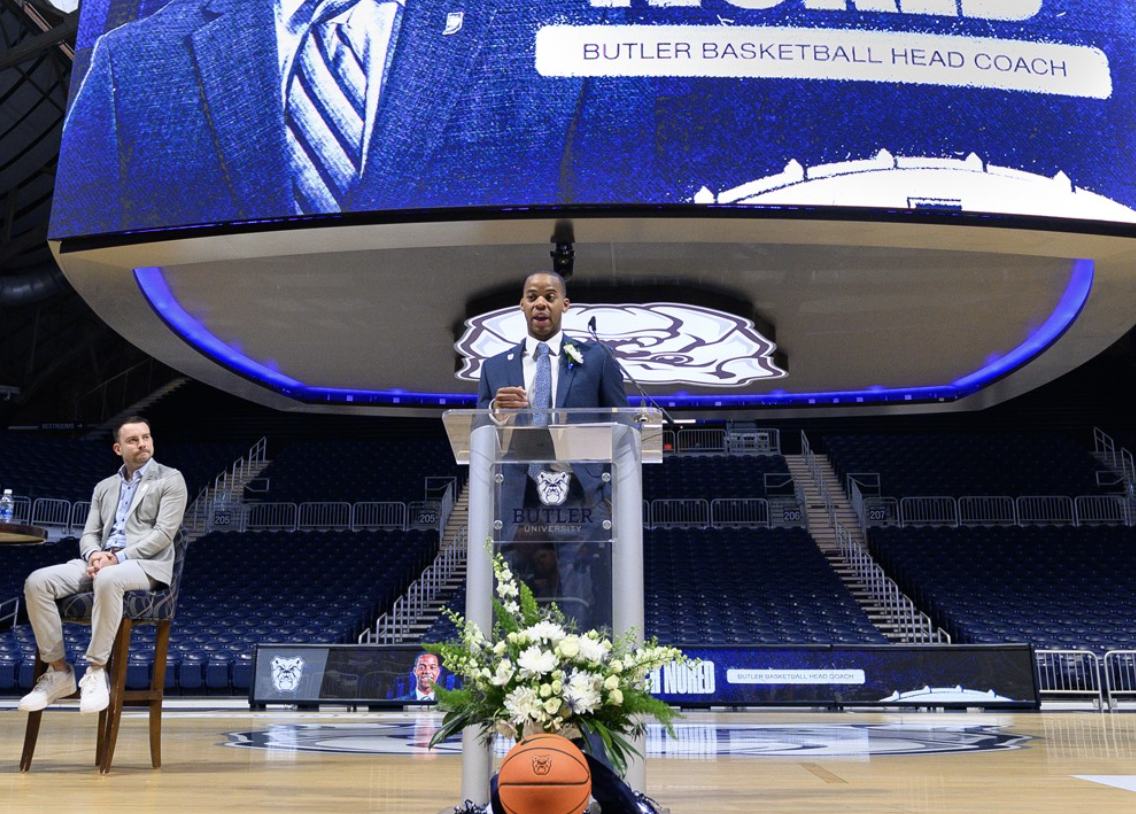
Leo Williams was still with his hands tucked behind his back for a second, staring up at Ronald Nored’s face plastered on the jumbotron in Hinkle Fieldhouse. The glimmer in his eye indicated that Williams was captivated by the visual, and in that moment Williams was captivating in his own way.
It wasn’t clear if Williams saw his nephew Randall Ojeda—who is Nored’s brother–staring at him or even knew that the moment meant anything to him, but Ojeda looks back on it as one that he’ll remember forever. He says it felt like it was going in slow motion. Ojeda–who changed his last name from Nored–speculates that Williams was standing there taking pride in all that Nored has accomplished, although he’s not entirely sure what was going through his head.
Williams was nearing the end of a bout with pancreatic cancer, and it was clear to those around him that he wasn’t fully himself. He was in good spirits, but his health was fading; he wasn’t getting out all that much and–whether he knew it or not–he was in the final stretch of his life.
Nored didn’t know if his “Uncle Leo” Williams would be able to make it to Hinkle Fieldhouse that day, but Williams wouldn’t miss it for the world. When Nored took the podium at mid-court to deliver his first remarks as Butler’s head coach, Williams was sitting there looking up at him.
It’s a moment that nobody will ever be able to minimize in Nored’s mind.
“To be able to watch him walk into that press conference after me taking this job, the way I view it, is a blessing from God,” Nored told Basket Under Review. “Absolutely powerful.”
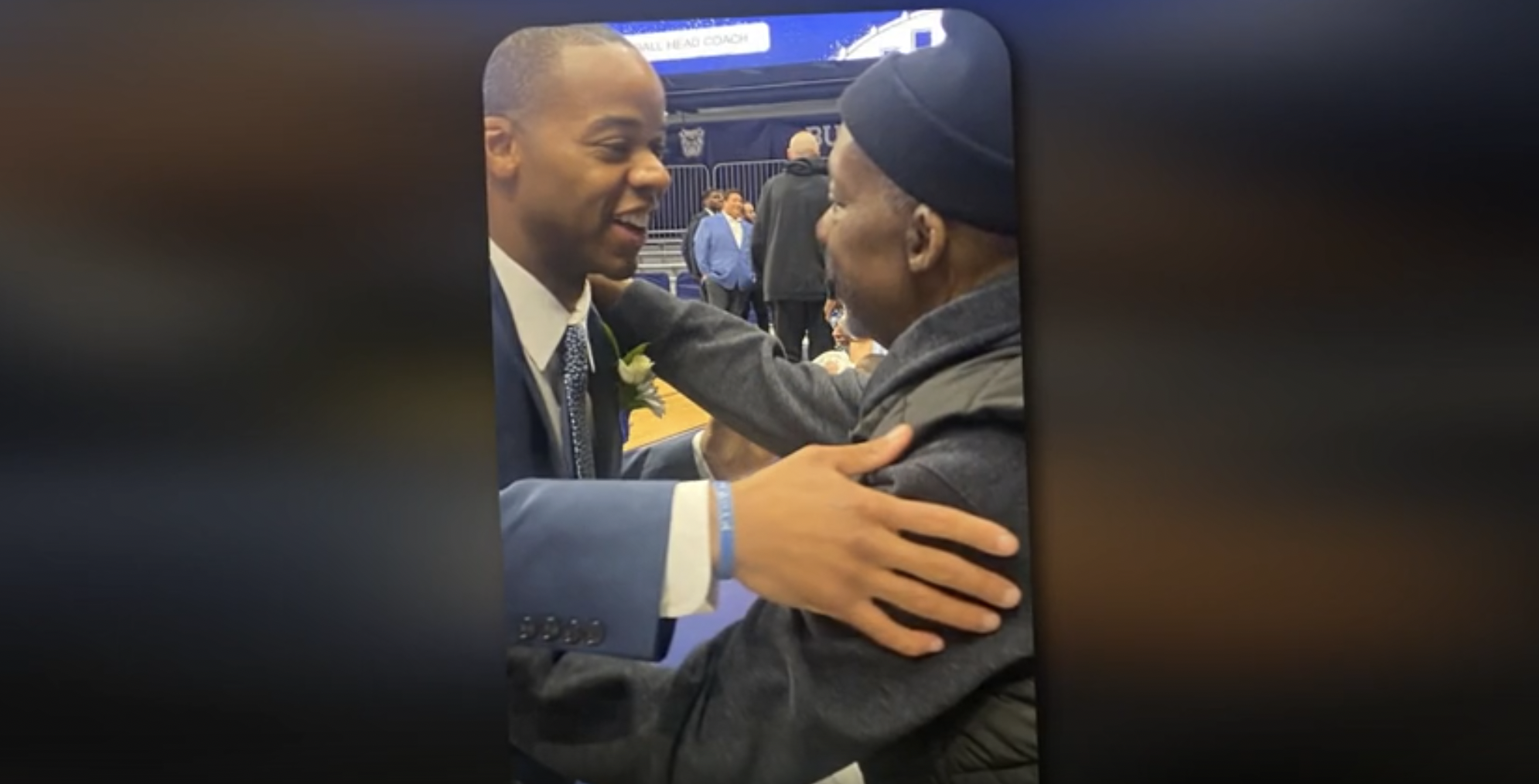
Nored says that he would have found a way to get up to Indianapolis–where Williams lived–from his Atlanta home in any case, but calls it a blessing to be present in Indianapolis as a result of taking the Butler head coaching job. The move allowed Nored to get to the hospital to see his uncle more conveniently.
In his final days, watching Nored motivated Williams to keep going. Williams would often be given medicine by his nurse near the end of each night, but he wouldn't take it until after Nored's arrival if he knew he was coming. Nored would often have to come to the hospital after it locked up at 9:00 P.M., but someone around Williams would make sure that he got in.
Williams had a nearly immeasurable investment in what Nored is accomplishing in his life and the manner in which he’s conducting himself while doing so. He was so invested in Nored up until the end that one of their final interactions–which came in the day before Nored took an overseas trip to see a prospect–included Williams telling him to come back to the United States with the player signed because “the Williams are winners.”
Those around Williams knew him as a gregarious, larger-than-life personality who would have talked to everyone in attendance at Hinkle Fieldhouse if the circumstances were different, but--because of his condition--he was often confined to his seat.
Williams passed away on April 14 and left a significant hole in Nored and Ojeda’s lives. It was only fitting that he was around to see Nored accept his dream job, though. He wouldn’t have missed that for the world.
“He was just so proud of Ronald,” Delores Kennedy-Williams–who is Nored’s grandmother and Williams’ mother–said. “That day, Ronald’s face was everywhere, and Leonard’s face was just beaming, and he was having us take pictures of it. It was a high moment in Leonard’s life, I’m sure.”
The table that Nored, Ojeda and Williams occupied in a Birmingham-based–where the Noreds are from–Mexican restaurant was one of the few that wasn’t empty that night, but it may as well have been a comedy club. The only reason why that was the case? Williams was there.
Nored, Ojeda, and their mom, Linda, were in the midst of what Ojeda refers to as the darkest days of their lives when Williams moved into their home in an effort to help. Williams wanted to be a light after Nored and Ojeda’s father, Ronald Nored Sr., passed away after his own battle with pancreatic cancer. He wanted to remind the boys that despite their nearly unthinkable circumstances, life would go on.
That night at the Mexican restaurant, Williams took the two boys out so that Linda could have a night without having to account for the kids in the midst of her grief. The circumstances were dire, but Williams always had a way of making everything feel okay–even if it was just for a fleeting moment. Ojeda remembers Williams making “the most random things” into jokes, which was fitting for him.
“Uncle Leo was the most fun and caring person I think I’ve ever met,” Ojeda said. “He’s the guy that walks into the room and makes sure that no one is a stranger, and that’s about him because he was super gregarious and outgoing, but he was also very intentional to make sure that everyone knew that they were cared about.”
“He could walk into a room,” Kennedy-Williams said, “And pretty soon the room was his.”
Nored was only in eighth grade when his father passed away, and Williams took on a more substantial role in his life. Williams showed up to tell Nored and his brother that they had to get out of bed and had to take care of themselves despite their irreconcilable loss. Nored and Ojeda could tell a number of stories about how their uncle would lighten up the room–not limited to gas station stories, outgoing airport interactions, and Williams generally being “the life of the party,” as Nored says–but what Nored will remember most was what Williams balanced humor with.
Kennedy-Williams describes Williams as a surrogate father to Nored and Ojeda. When Nored had to miss the annual family Thanksgiving dinner in Indianapolis because of his basketball schedule, Williams went to Birmingham to spend the holiday with him. By the end of Nored’s Butler career, all of his teammates knew Williams by the name “uncle Leo” because of the impact he made on them.
Like Nored’s dad, Williams was a strong man of faith who was a spiritual mentor to Nored from the time Nored was 13 years old to his April death. A number of public messages in Williams’ online guestbook mention the impact that he had on others through sharing his faith, and Nored was among those that he influenced most.
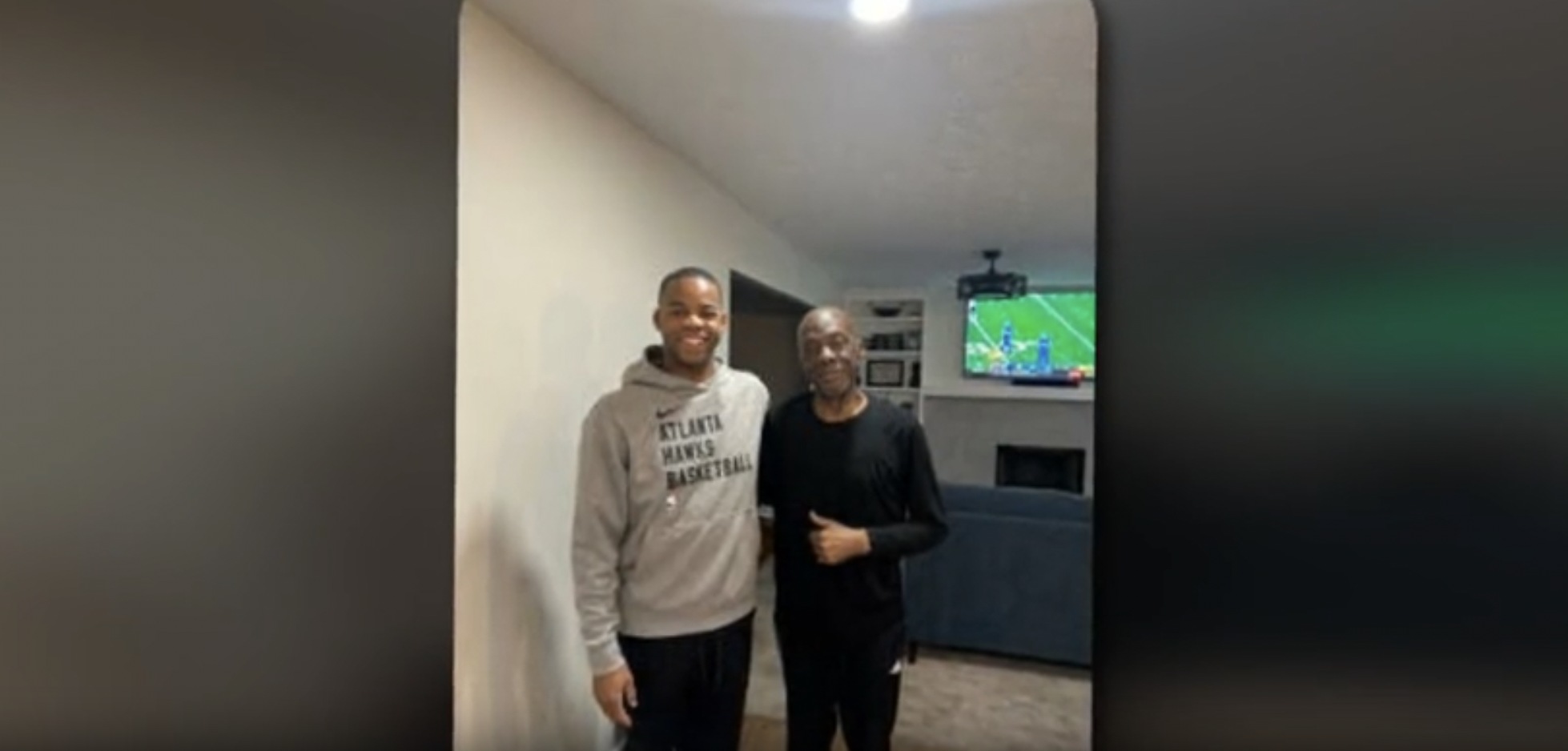
Faith is a clear staple of Nored’s life that he describes as an anchor through difficult times and a reminder that everything isn’t about him in the good times. Nored lights up as he talks about Jesus’ sacrificial death and how he leads with a sacrificial mission professionally and personally. Nored couldn’t have drawn up his journey–in which he’s coached high school basketball, a number of years in the NBA, and has returned to his second home as its head coach–and he doesn’t believe he’d understand its purpose without the role of faith.
Nored always would’ve had a thought about faith because of his father’s background as a pastor, but he may not have developed it in the way he has without Williams’ presence in his life and how he modeled his beliefs. Those are the types of things that will always stick with him.
“He was such a kind and caring and giving person,” Nored said. “Just to watch that example, I have to check myself to see if I am as giving and as caring as he was. And to have that example is incredible and something that he left with me. I know he left that with a lot of people, but he definitely left it with me personally.”
Sure enough, Williams’ guestbook includes messages raving about his kindness, how welcoming he was, his “shining” personality and how deeply he’ll be missed as a result of those things.
“Leo was an amazing man,” a community member wrote, “Always smiling.”
“He was a kind, welcoming person, and a lot of fun to be around,” Another said. “He will be greatly missed by everyone who knew him.”
Ojeda says his uncle’s love extended to everybody and that he was always fine being the person to step out of comfort in order to make someone else feel special. He was uniquely wise and profound while carrying a deep enough humility to put himself out there for the benefit of others.
That’s why Ojeda is okay with busting his uncle’s chops in the midst of declaring how impactful his life was. That’s likely what Williams would want.
“A lifetime of ridiculousness,” Ojeda jokes. “He was just so fun-loving, so exciting and so positive.”
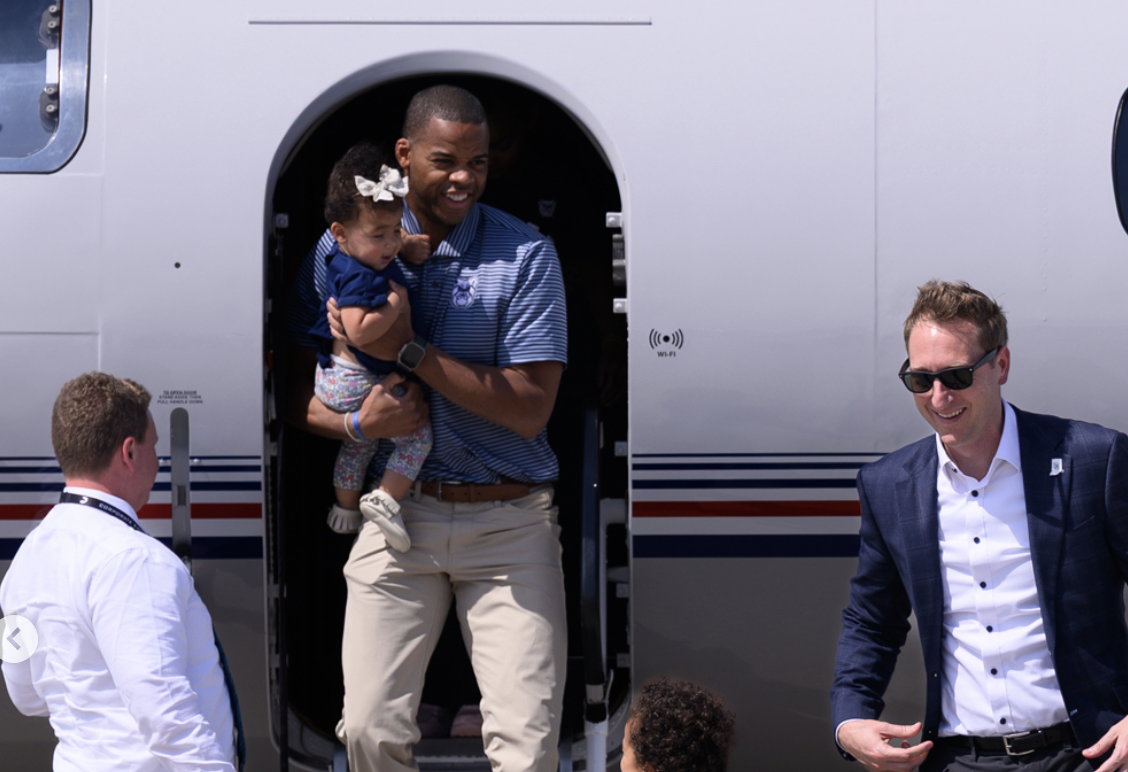
Every Christmas morning, Nored and Ojeda knew the routine and didn’t have any questions about what the first few hours of the day would entail. Before they sat down in the family room to open their gifts, they would get in the car, drive to the Ensley area of Birmingham, and give out gifts to the kids there.
The Christmas morning activity was a microcosm of Ronald Nored Sr.’s leadership. He was the pastor of Bethel African Methodist Episcopal Church in the Ensley section and founded a non-profit called BEAT–or Bethel-Ensley Action Task–which made a mission of revitalizing the community around the church. All these years later, Kennedy-Williams declares that Nored Sr. was successful in his pursuit of aiding that mining town’s resurgence.
Nored Sr. started the charity when Nored–the Butler head coach–was an elementary schooler, but he eventually gained an understanding of the significance of his father’s presence in his community. As Nored looks back, he remembers the leadership, the vision, and the genuine care that was behind the project. Nored Sr. often preached a message of letting the gift of service become a part of who each of his sons is today, and they’ve internalized it.
Nored also recalls an important part of his father’s consistent messaging, including speaking well and holding a high chin. He’s internalized all of it as he’s moved throughout his career, and he wouldn’t have been able to land the Butler job–or the various coaching jobs he had within five NBA organizations–without it.
Ojeda recalls that throughout his father’s writings and conversations prior to his death, he would often mention how important his children were to him and how proud he was of their childhood accomplishments. So, what would he think of Nored becoming a Power Five head basketball coach?
“I think he would be incredibly proud,” Nored said. “I think what he would be most proud of is the journey and dealing with adversity and what's happened to this point that led up to this opportunity, I think he would be proud of watching how that has shaped me to be the person and the coach, the father, the husband that I am now and it culminating in some way through this new beginning of being the head coach at Butler.”
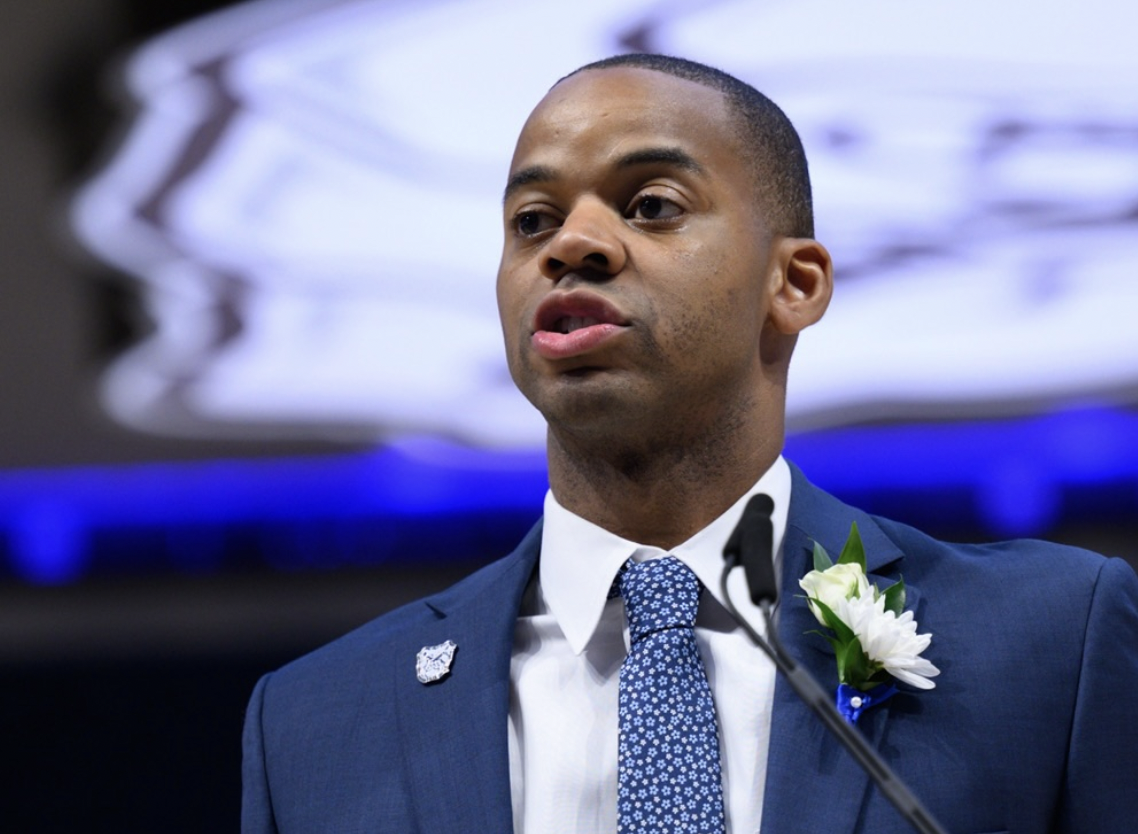
Ojeda remembers his father encouraging him and Nored to follow their dreams, and they both have. At the time of the initial conversations about dreams, Nored’s was to be a PE teacher. His father told him that it was a great dream to have, but to think about other things that he’d like to achieve or could fall back on.
Each of the brothers has done that, but has succeeded while pursuing their passions in the first place. Ojeda has worked for Butler as the director of its Diversity Center for the last five years while Nored is back to the place where he made a Final Four as a player as its head basketball coach.
If he could wrap his head around that, he’d be taking a similar posture as Williams did at Nored’s introductory presser.
“I'm certain that my father couldn't imagine how incredible it is that Ron is now the head basketball coach at Butler,” Ojeda said. “But I know that he would be the person in the front row cheering the loudest, beaming at all of the successes.”
Perhaps it would be more believable if he knew that Linda and Williams–her brother–continued to teach Nored the things that would help Nored get to this point.
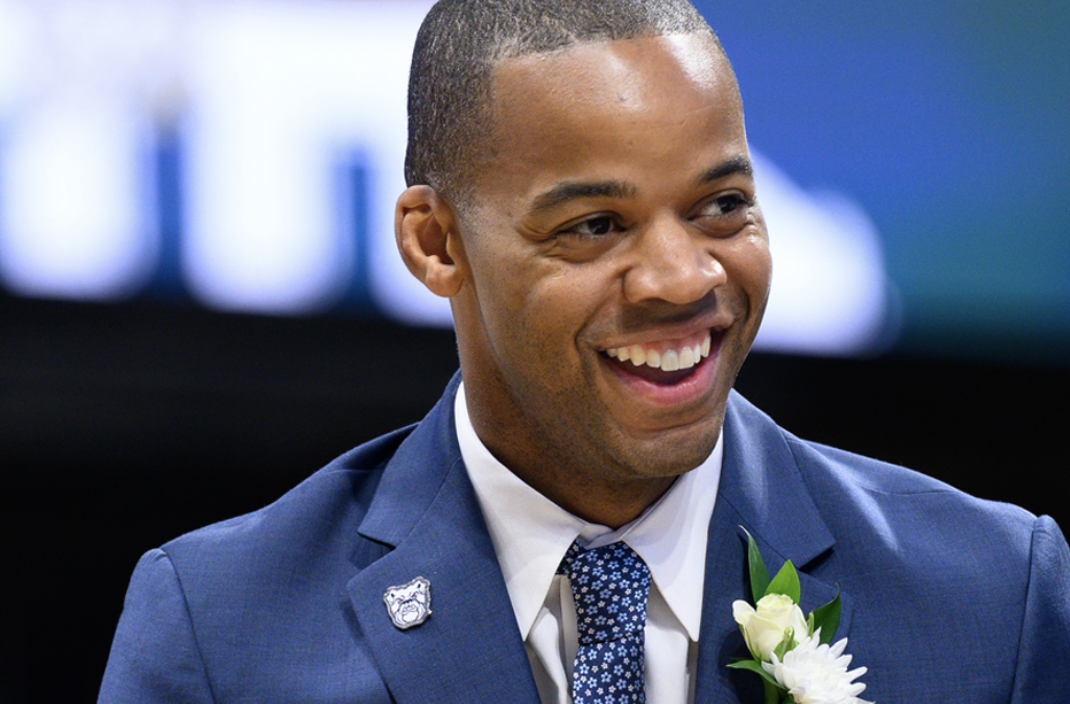
Nored is often told by outsiders that he looks like his mother’s side of the family–which includes his Uncle Leo–and that Ojeda has taken on more of the physical characteristics associated with his father’s side.
When Ojeda listens to Nored speak, though, the way his voice sounds and the subject matter he addresses give him flashbacks to his dad. He says it’s a deja vu moment of sorts when he makes that connection.
The idea that Nored’s speech is reminiscent of his father’s all these years later is as much a testament to the values that his father successfully instilled in him as the tones of the heavy West-Tennessee Southern accent that he carried. Nored Sr. planted the seeds of leadership in his son years ago, and the best basketball minds in the world have taken notice of them.
“There is a list of superlatives that I could offer,” Atlanta Hawks coach Quin Snyder–who Nored worked under for two seasons–said. “His passion, work ethic, his talent. He just really understands and sees the game. [The job] is something that I know he is beyond excited about. The people at Butler are getting a young coach that is seasoned as well, is more than prepared, and has a presence.”
Kennedy-Williams describes Nored Sr. and Williams as special because of their integrity, authenticity, and their personalities as a whole–which she says were compelling enough to allow them to sell ice to an Eskimo if need be.
In a way, all of those traits are ones that Nored possesses. His coaching profile has shades of Brad Stevens, Snyder, Pacers coach Rick Carlisle and a number of other modern basketball minds, but Nored himself is a mix of Williams and Nored Sr. That’s something he’s proud of.
“You can see so much of both of them [in Nored],” Kennedy-Williams said. “He’s just a wonderful young man.”
