


The opportunity to lead a low-profile program that Casey Alexander has gotten to know throughout his 31 years in coaching is no longer in the realm of possibilities; that aspect of Alexander’s life passed him by on March 13 and isn’t coming back anytime soon.
Alexander hasn’t known college basketball life as anything other than a mid-major guy and has been confined to speculating about the magnitude of a power-five fanbase. Now, though, he’s finally gotten his first opportunity to lead a high-major program as Kansas State’s head coach and has a first-hand testimonial in regard to the way life changes when that’s the case.
If Alexander were to go to lunch just about anywhere in Manhattan, he estimates that someone in the establishment would be wearing purple and would know who he is. It’s not a prideful remark as much as it is an acknowledgment of the inevitabilities in his life these days.
“It’s not a little different, it’s entirely different,” Alexander told Basket Under Review. “It's been fun right now. I mean, it's the honeymoon phase, and everybody's happy, but it does kind of hammer home just the differences. And I knew in a small college town that there was just going to be a real passionate fan base in the city of Manhattan. So that didn't surprise me.”
Alexander admits that as a result of growing up in SEC country, he underestimated Kansas State’s fanbase. He recognized how much Alabama fans love Alabama, how much Georgia fans love their team, and the lengths Tennessee fans will go to root on Tennessee. Now, he says he realizes that Kansas State fans love Kansas State in the same way.
It’s not as if Alexander lived his life at his previous stops in obscurity, but when he glided across Belmont Boulevard on his daily runs and frequented a number of restaurants around Belmont with his family, he often did it without being recognized as the Bruins’ head coach. When Alexander was recognized in public in Nashville, a number of the people who did so were ones that he already had a personal relationship with as a result of the 51 years that he spent in the middle Tennessee area.
Alexander’s first two months on the job have included an influx of interview requests that have transcended the amount he had previously been used to, widespread analysis of his transfer portal class for the first time–which he doesn’t see as a result of getting off of Twitter around a year ago–and a general increase in eyes on him greater than anything he’s experienced previously.
“It is a big difference in the job,” Alexander said. “It’s not like I came here because I want some attention, but there’s definitely some attention that comes along with it.”
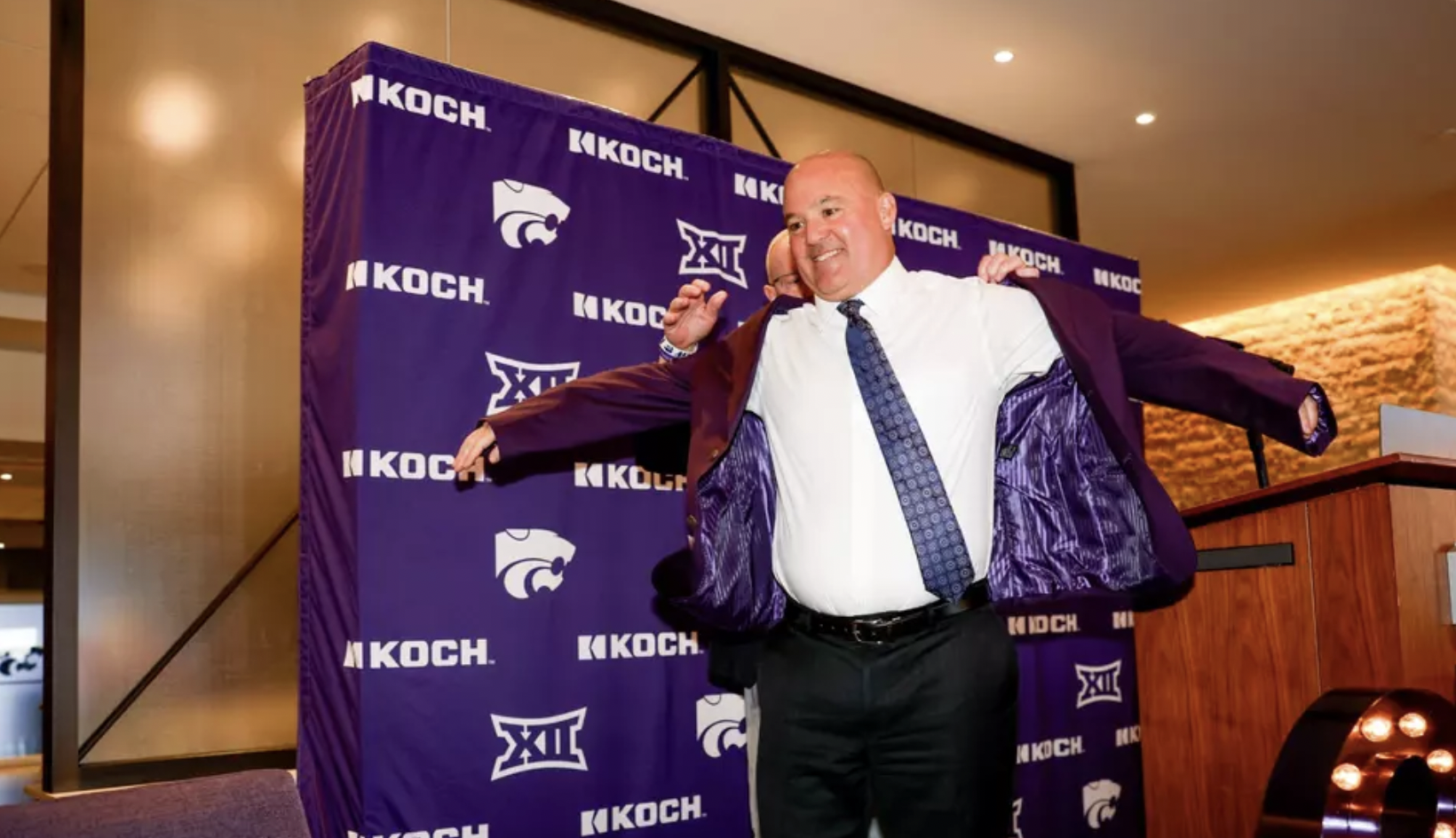
With the benefit of hindsight and over 30 years as a professional under his belt, Alexander stops to laugh for a second at the north star that once guided him. He, like a number of young coaches, believed that he’d find himself as the head coach of the Los Angeles Lakers, Boston Celtics or New York Knicks one day.
As Alexander matured, he found peace in the idea that he likely wouldn’t ever get there. Alexander would’ve had peace if an opportunity like this never came his way, too. Alexander took a different path than Byrd–who embraced the Belmont job as his dream job and never left for a bigger one–but he says he also would’ve been happy if he stayed there for the rest of his career. He says that he could’ve stayed at Lipscomb forever and been happy forever, even if he didn’t get the Belmont job.
Down the stretch of the 2025-26 season, though, the noise was loud enough surrounding Alexander that a power-five job being offered to him was a near inevitability. Belmont finished the regular season with a 26-5 record, won the MVC regular season title with two games left to play, and was good enough to make Alexander one of the more compelling names in the coaching carousel.
“He is known nationally as a tremendous evaluator of talent and one of the best offensive minds in the college game,” Taylor said. “He has built and maintained successful and winning programs.”
At that point, Alexander had a decision to make, one that Byrd made early on in his career. Only, Alexander chose the route that Byrd didn’t. Byrd and Alexander had numerous conversations about how the Belmont job had changed since he had taken it and since Byrd had it that made each of them more open to the idea that it could be in Alexander’s best interest to go elsewhere.
Byrd admits that when Alexander was evaluating his options, his protegee was cognizant of the magnitude of Belmont not being one of the Missouri Valley’s top spenders in terms of player compensation–a narrative which Alexander has supported publicly. He also admits that what he dealt with in the Ohio Valley Conference was much different–and more conducive to NCAA Tournament berths–than what Alexander dealt with in the MVC.
If Alexander was going to leave, he had his mentor’s support.
“I wasn’t surprised, and I’m not disappointed in him,” Alexander’s mentor and former Belmont head coach Rick Byrd told Basket Under Review. “It became a different job–and Casey would have to tell you this–but that probably made it easier, if that's the right way to say it, for him to look at opportunities at the next level, if they were gonna happen. This year, he had a great year and won a conference regular season title, and it put him in a spot where people were interested. So, no, I wasn't surprised.”
Alexander is staunch in his position that he gave everything he had to Belmont down the stretch of the season and wasn’t distracted in the slightest. In the moments following Belmont falling to Drake in a stunning first-round Arch Madness upset, Alexander was asked about the Kansas State job and brushed it off by saying “unless you know something that I don't know, I don't think there's anything to worry or think about.” Alexander says that he was being truthful in the moment and meant what he said–although the truth changed a few hours later.
When Kansas State eventually called, though, Alexander knew he had to listen. Despite the program’s two consecutive losing seasons and its midseason parting of ways with Jerome Tang, Alexander believed in the job.
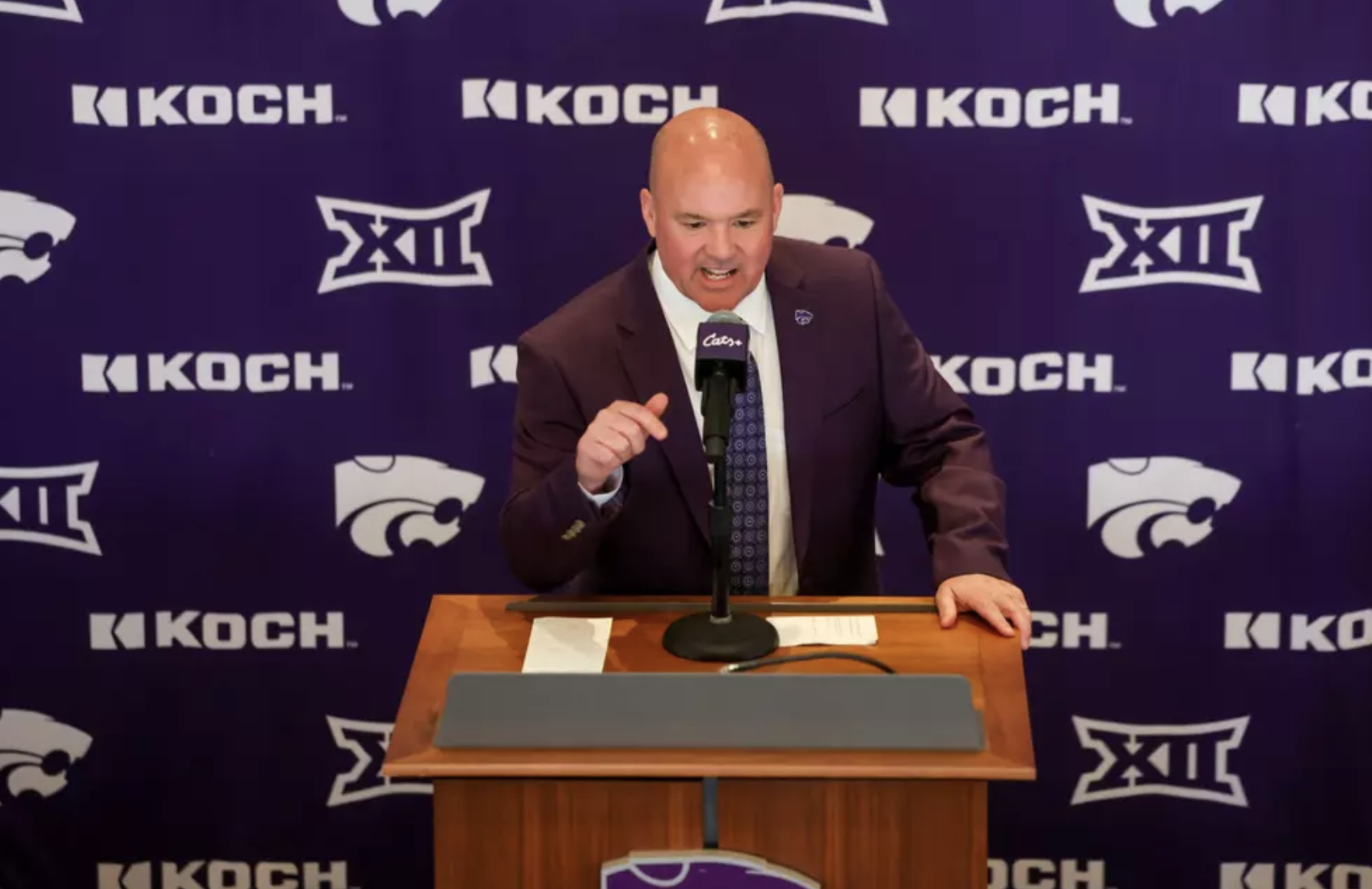
“Longevity of success at K-State was important to me,” Alexander said. “Previous coaches have all had their own individual success. I think it's well documented that there's great support for the program as far as literal butts in seats and just the people in Manhattan that love this team.”
Alexander was likely enticed by each of the last three Kansas State head coaches reaching the Elite 8 at some point in their tenure, having a season in which they won over 25 games, and two of the last three coaches earning an NCAA Tournament berth four times or more. It’s a different job than it was then because of how college basketball has changed, but some of the things that have helped previous coaches are still appealing to Alexander.
The decision to leave Belmont and middle Tennessee as a whole–-where Alexander had spent 51 of the 53 years of his life–was one with numerous layers, but Alexander says his overwhelming feeling is one that reflects his enthusiasm for the opportunity that he has in front of him.
Alexander last left Nashville in 2011 to take the Stetson job, which he says was a significantly more difficult life transition because of his kids' age and the stage of life he was in. He felt as if he had to make that transition because it was his first opportunity to become a Division-I head coach after 16 years as an assistant at Belmont, though. In a different way, this was an opportunity that Alexander couldn’t pass up.
He’ll have to leave comfort to pursue it, but it’s a trade that he’s willing to make.
“I was excited for the opportunity, so there is no hindsight to look back on. Just really grateful for the chance to go to K-State and start a new chapter,” Alexander said, “But, anytime you're leaving home and lots and lots of family and relationships that you've built over the years, it's not ever fun to walk away from people you love and care about and places you love and care about.”
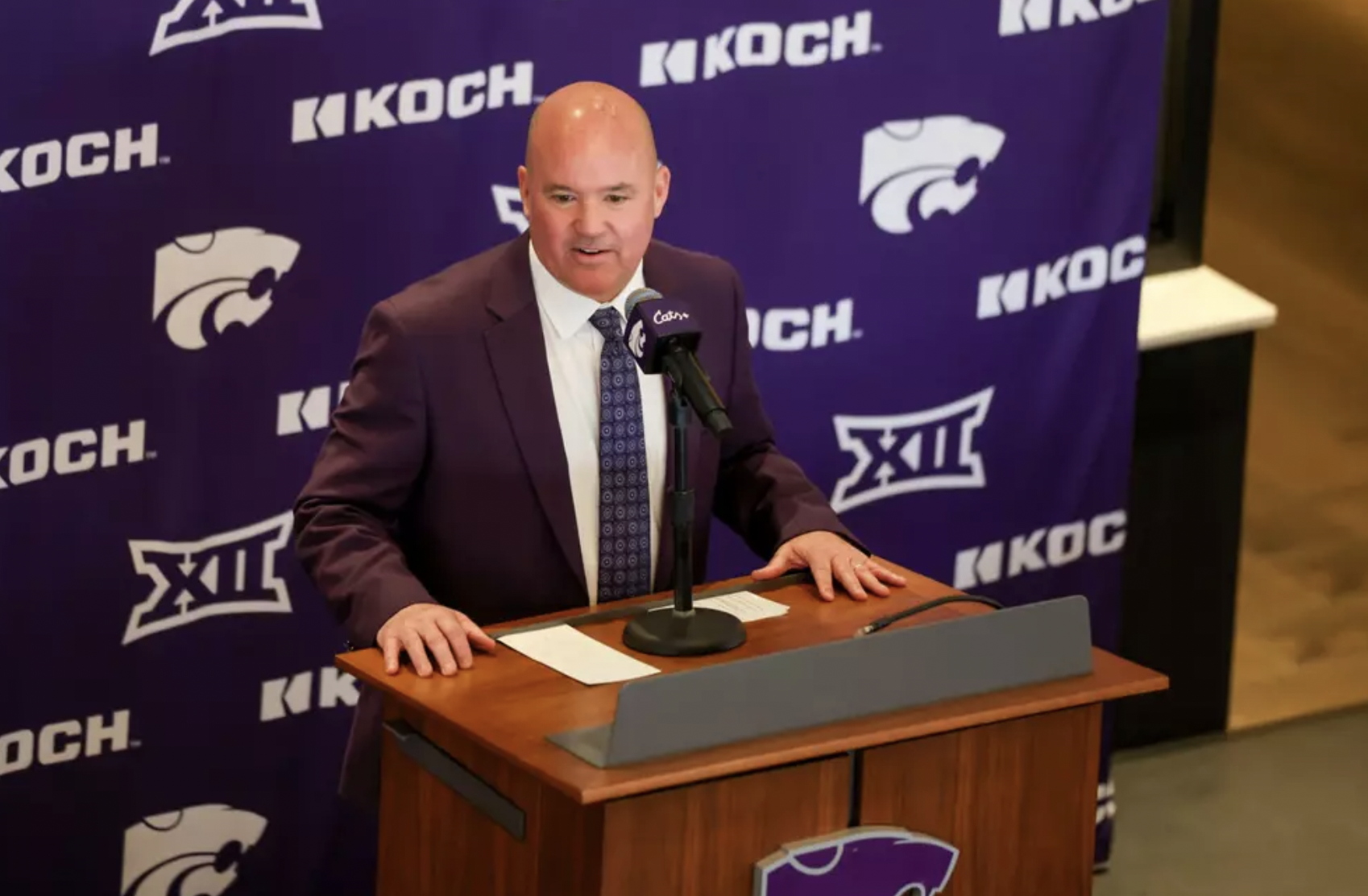
The comparison is jarring and perhaps the best indicator of the magnitude of Alexander’s move up a level. In his previous three jobs, he points out that his rivals were Lipscomb, Murray State and Belmont. Now? His rival is Kansas.
In all likelihood, Alexander will look back at the greatest test of his program-building ability yet. For so long, he had a job at Belmont where he had what he calls a “sweet gig.” Alexander’s program was always penciled in at the top of the league; he experienced the same thing in his previous job at Lipscomb. Alexander is confident in the Kansas State job, but he’ll be up against a number of the country’s best programs on a nightly basis once league play begins.
The situation is one that Alexander’s career path hasn’t yet provided him, but he’s finally got an opportunity to demonstrate that he’s capable of building a contending program that plays on national television consistently. Perhaps the reality isn’t something he considers each day, but deep down it drives him.
“I think he’s as motivated as he’s ever been,” Kansas State assistant Luke Smith told Basket Under Review. “I certainly think there’s a chip on everybody’s shoulders, hopefully including our players, to go out and prove something. I don’t know that we necessarily give it much thought; we just want to bring these guys in, give them the best experience, and make sure that they’re the best team come February and March. We’re just really excited to get to work.”
If Alexander and company are able to get this program back in contention for the NCAA Tournament in their first season, it would be one of the most impressive immediate turnarounds in the country. Kansas State was among college basketball’s most disappointing programs in 2025-26 and had spun its fanbase into apathy by the end of the season. Despite its public displays of spending on PJ Haggerty and Coleman Hawkins, Kansas State hasn’t made the NCAA Tournament since Tang took it to the Elite Eight in 2022-23.
Alexander is tasked with leading this program to a resurgence, and doing it while weathering donor fatigue. He’s got what Kansas State athletic director Gene Taylor says is a six-million-dollar player compensation budget–which is well below the top of the league, and is equal to the widely reported salary of one Kansas player–to spend on his roster, although Alexander told the local media that he and his staff have the resources that they need to be successful despite being on a budget.
“Nothing will surprise me, but he’s got a job ahead of him,” Byrd said. “I think his teams will be well coached; I think they’ll play hard. But no one would say that you can just go in somewhere with a whole lot less talent and win conference championships and go to the NCAA Tournament. So, he’s going to need to recruit well–at least to the point where they’re competitive in that area.”
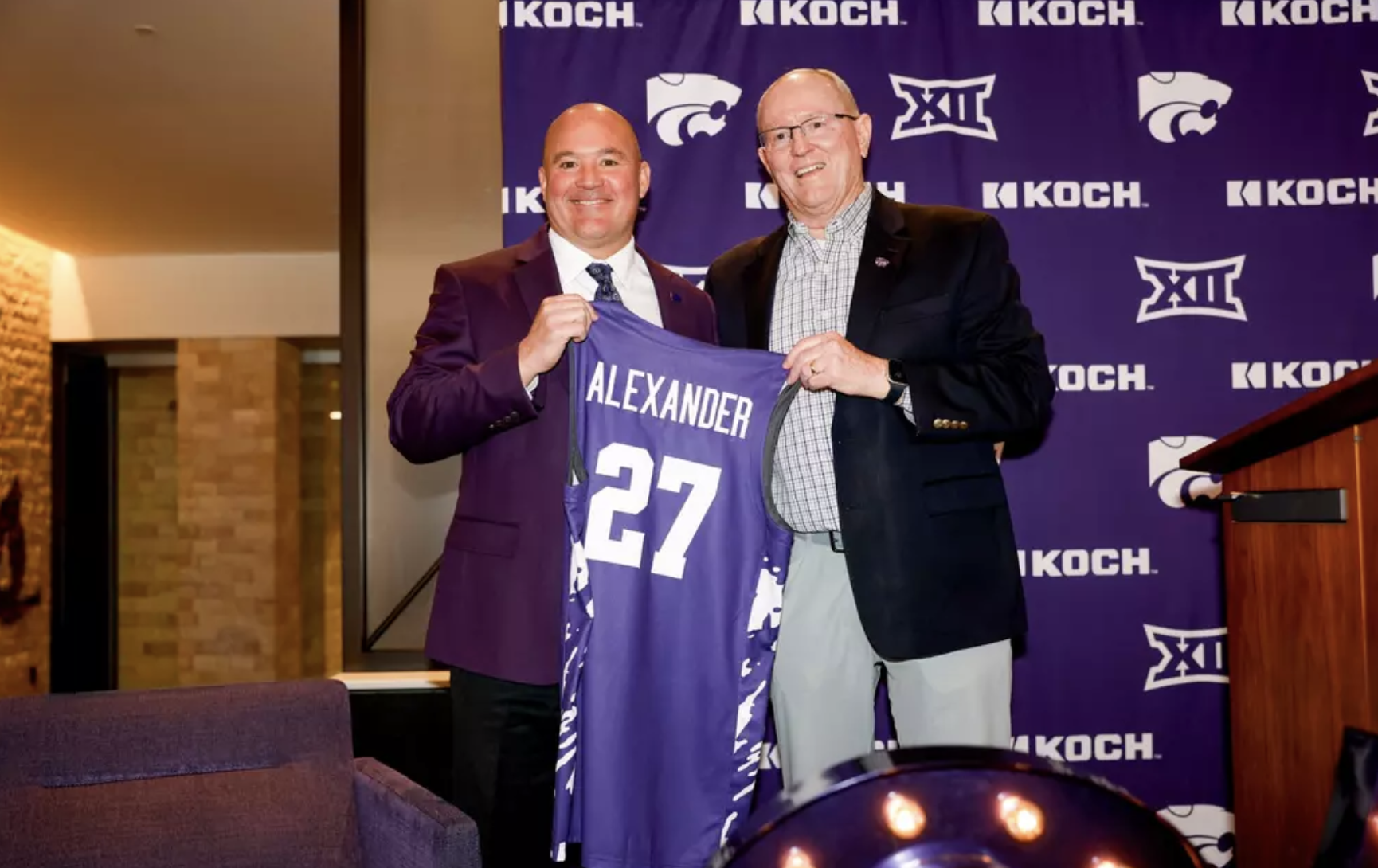
With the responsibility and attention that was thrust upon Alexander when he took this job, he was also given a challenge. When Alexander gets into league play, he’ll have to battle Arizona, Kansas, Houston, Texas Tech, Iowa State and the rest of the record-tying eight programs from the league that reached the NCAA Tournament in 2025-26. The program that Alexander is inheriting wasn’t one of those and finished 3-15 in league play a year ago.
Those who know Alexander–including Byrd–often rave about his confidence, though. And Alexander is confident about what can be accomplished at Kansas State and what he and his staff are capable of building. He’s not guaranteeing anything in regard to what he’ll do as Kansas State’s head coach–and he’s also not thinking about this on an individual level–but he’s not willing to back down because of the gauntlet of the schedule that awaits his program.
“I want to see how we do, and I want to see how I do,” Alexander said. “But, really, it’s a whole lot more about: what is the experience going to be? You know, those things. I think everybody would recognize that [loving high-level competition] is a thing in athletics; who wouldn’t want to go play in the Big 12 and get to play nine home games against teams in the Big 12? That’s fun.”
Alexander goes into his first season with a roster that he says reflects exactly what he and his staff wanted to do in the transfer portal when they first convened in the weeks before its opening. He’s careful not to declare that he has the 10 best players in the country, but he says his roster fits the style that he wants to play and the culture he’s trying to build.
In the past, that’s been a positive indicator.
Alexander’s teams won 20 or more games in all seven of his seasons at Belmont, finished first in their respective league in three of those seasons and clinched an autobid to the NCAA Tournament once. Alexander’s last four years at Belmont included him coaching eventual power-five standouts Ja’Kobi Gillespie, Cade Tyson, Will Richard, Malik Dia and eventual NBA player Ben Sheppard.
Belmont was perhaps the most poached program in Alexander’s tenure. Now, though, there’s a sense of optimism within the Kansas State program that they’ll be able to hold on to their standout pieces and retain the roster like Alexander emphasized doing at his introductory press conference.
For now, though, Alexander is rolling into battle with just one returner–6-foot-6 sophomore Andrej Kosti–and 13 newcomers–none of which he’s coached before. Alexander acknowledges that there are “so many” unknowns in the portal, but says he feels like he’s got good depth across his roster and his style of player at every position. The only question, he says, is how good his team is compared to everyone else’s.
That won’t be solved until 2027, but those around Alexander appear to believe that he’ll get the most out of what he has–particularly, Byrd says, as a result of his late-game and baseline out-of-bounds ability. Their questions about how all this will go don’t have much to do with Alexander; instead, they question if he’s got enough support around him to succeed.
“He doesn't have to back down from any sort of head-to-head coaching in a game, putting their team together and seeing the product on the floor; I think he can do that at any conference in the United States,” Byrd said. “The question becomes whether or not–I can say this about Kansas State, but also a whole lot of other people–if he’ll have the resources to be able to attract the kind of players they’re going to play against in the Big 12.”
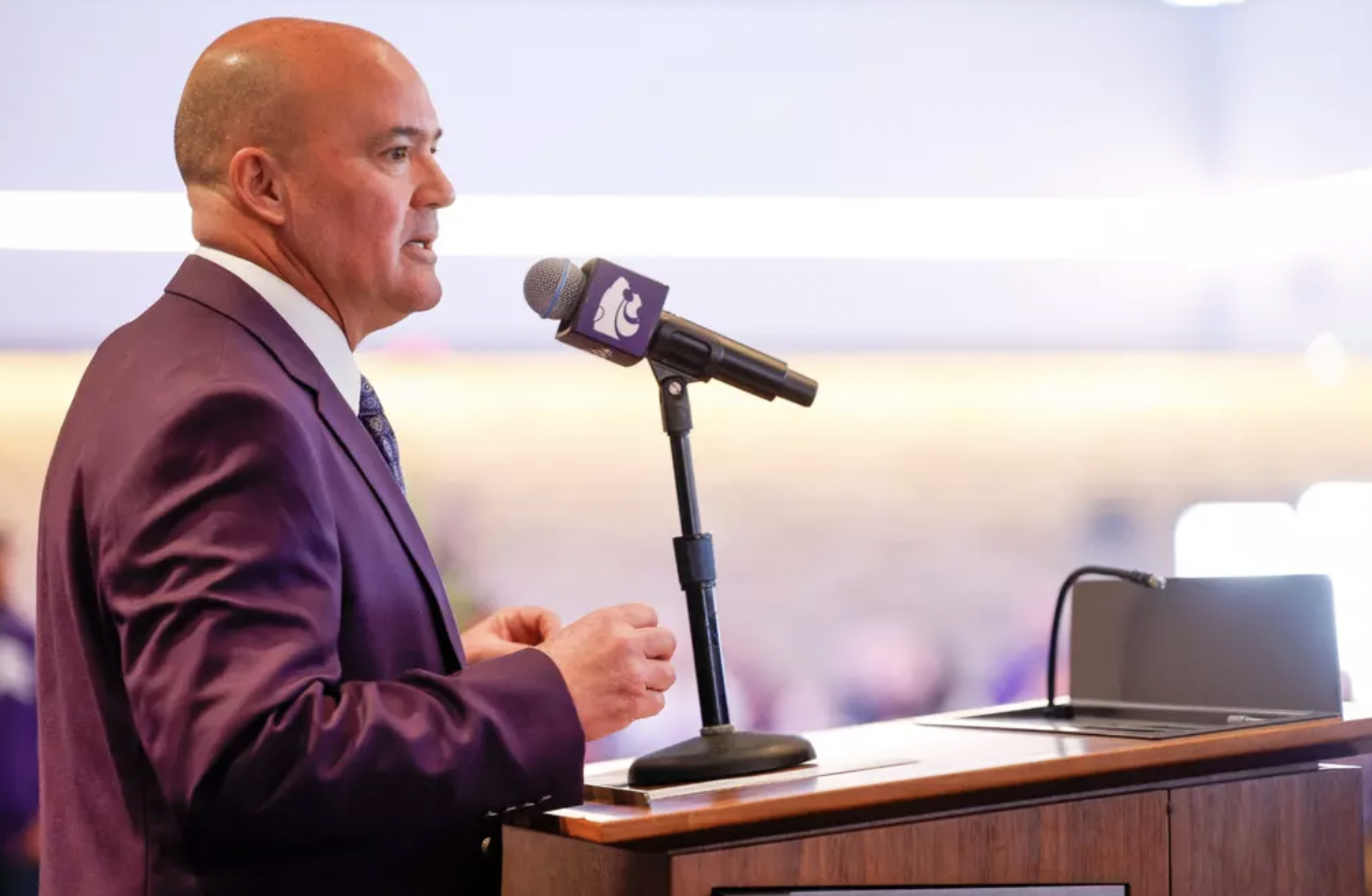
“It’s a good question,” Alexander says as he stops to think for a second, pondering what he would tell himself back when he was a Belmont assistant in the mid 2000s. It’s been 15 years since Alexander sat down on the bench as Byrd ran the show in Curb Event Center, but he vividly remembers the way he felt.
Alexander was itching to get a Division-I head coaching job and couldn’t land the ones that he pursued. Byrd recalls Alexander working to get the Mercer job and the Samford job while he was an assistant at Belmont, but to no avail.
It frustrated Alexander at the time, but now he looks back on his journey with his faith in mind. Every moment had its rightful place in Alexander ending up at his first Power Five job after all these years in the business. It was hard to realize that when he was getting passed up, but he’s internalized that now.
“I definitely would have advised myself to be a lot more patient early on,” Alexander said. “On one hand, you look at the first job I had was at Belmont, and I was an assistant for 16 seasons; that doesn't happen very often. And so, it looks like I exude patience, but in reality, I was ready for a head coaching opportunity for a long time, and I just wondered, ‘gosh, will it ever happen?’”
Well, it’s happened.
Now, Alexander finally has his chance to prove that he can be a Power Five head coach. And with that chance, he provides a glimmer of hope to a number of coaches who are in the position that he once was.
“One thing Casey and I have always talked about is not trying to look forward, look ahead and project your career and where you think your steps should go,” Smith said, “It’s more about being present and trying to make the most and win where you’re at and give the kids where you’re at the best experience possible. He’s always done that, and he’s always been where his feet were. For him to get this opportunity after a long time coming is definitely pretty cool to see.”
