

I remember sitting in the room as Ed Cooley was introduced as Georgetown’s new head basketball coach. He did not just promise success; he promised a National Title. He convinced me.
We are now in year four of the Cooley experience on the Hilltop, and I would like a winning season in the Big East.
The all-encompassing malaise now inseparable from Georgetown basketball turned to frustration this offseason as I saw former “busts” from the program commit to programs whose success I could only dream of. Drew Fielder is going to start at Alabama. Rowan Brumbaugh is going to be a top-half ACC point guard. Jordan Burks got a bag to play alongside fellow former Hoya Julius Halaifonua at Oklahoma State. I would kill for this roster.
This sparked a weeks-long research project to determine the best Power 5 teams based on who they have lost. The rules are simple: a player must have been on their roster and still be active in college hoops. Note: I excluded 5-in-5 players from this exercise, though I anticipate some schools not ranked will file for a TRO.
Let’s get started with what could have been.
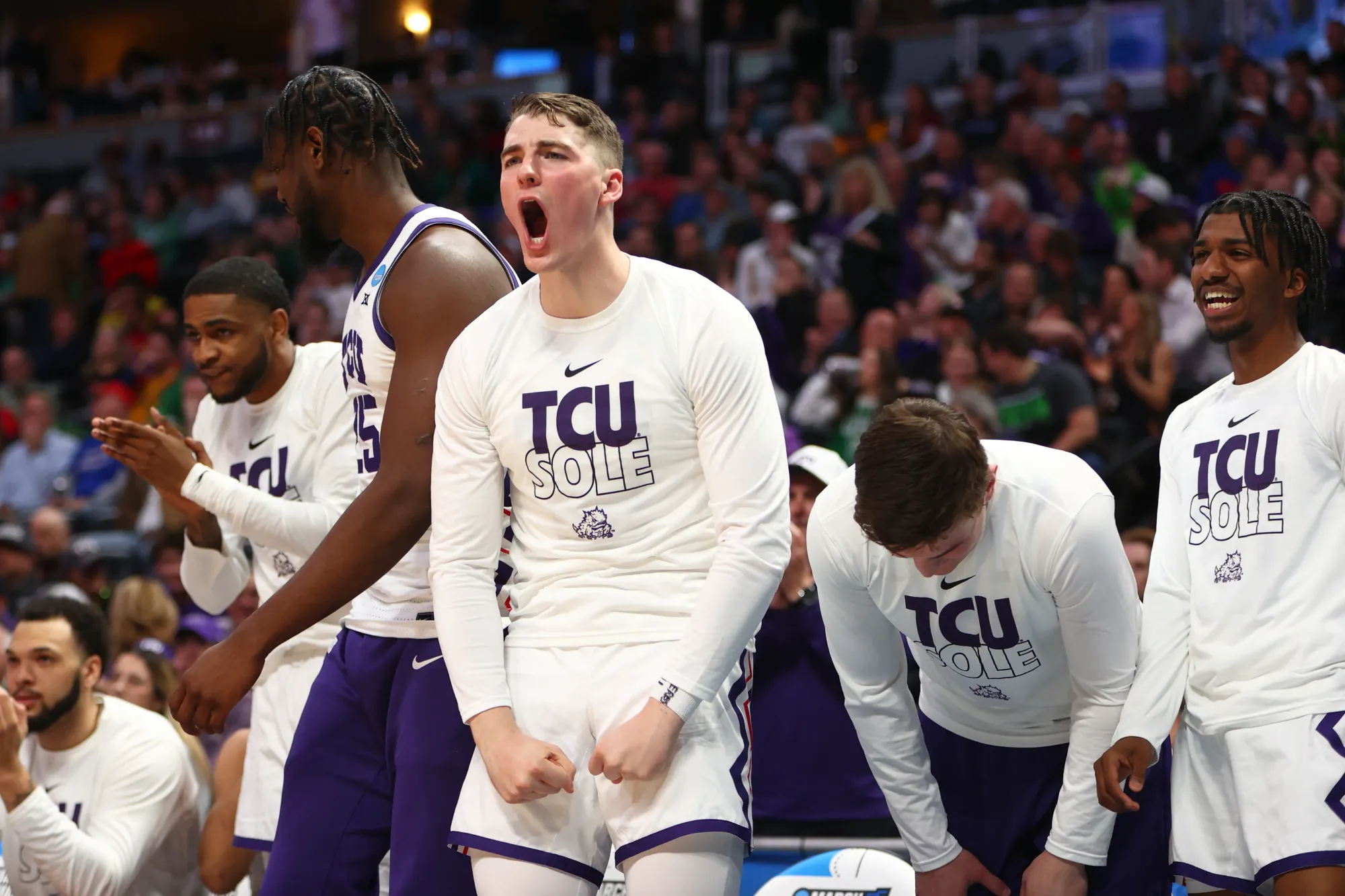
The 2022-2023 TCU Horned Frogs finished 23rd in the AP Poll and had a roster that featured three future NBA players. They also had a pair of in-state freshmen who combined for 3.1 points per game. Fast forward four years and PJ Haggerty and Tyler Lundblade are poised for massive years in the SEC. Haggerty has established himself as the sport’s premier scorer. For all his flaws, he has averaged over 21 points in each of his last three seasons. Lundblade may be the best shooter in the country. He shot over 40% from three on nearly 9 attempts last year.
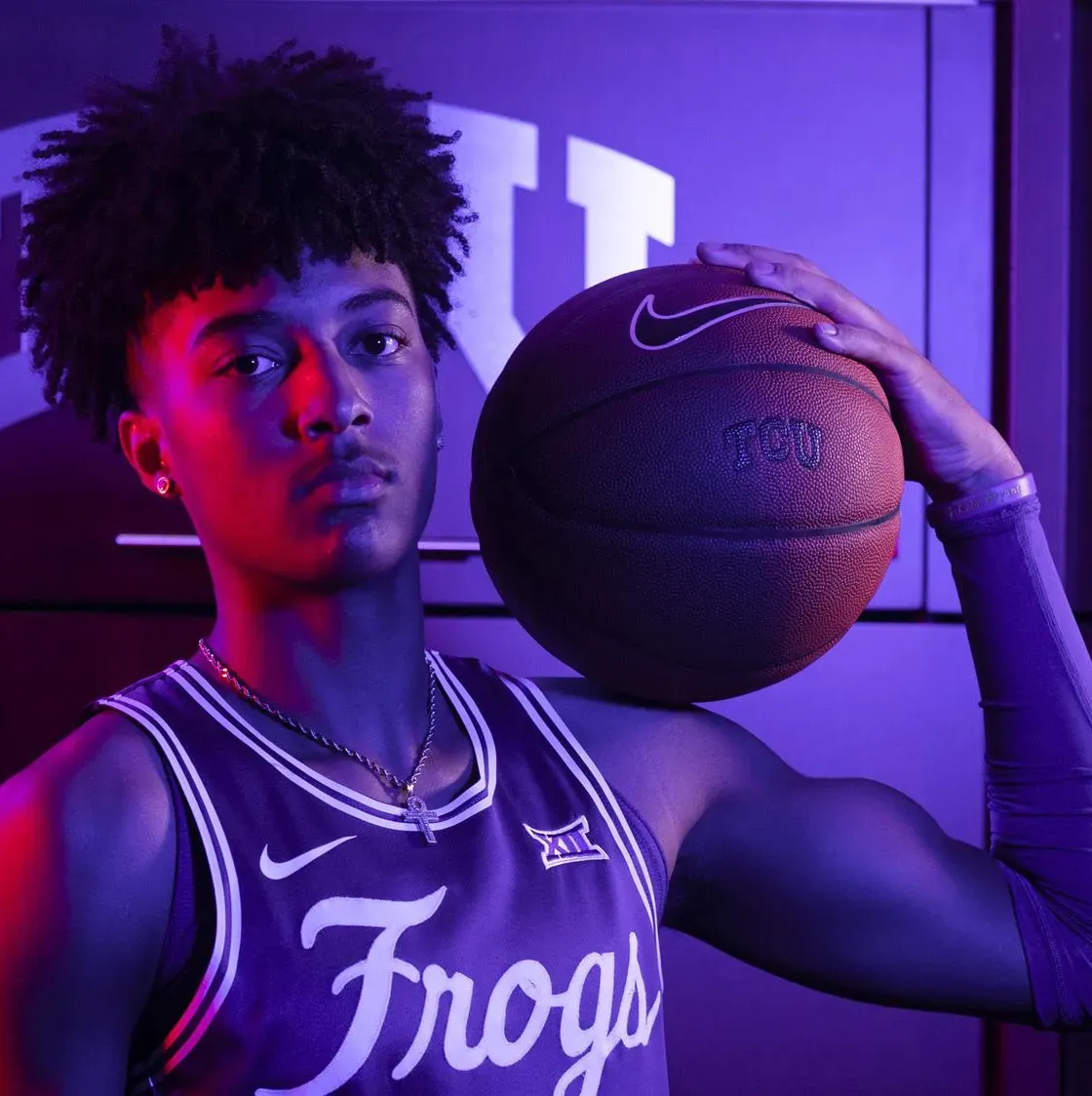
The defensive concerns for that pair, and for Kayden “Bug” Edwards, do not extend to David Punch. Punch is what you would get if you built a modern college basketball forward in a lab. At 6’7”, 245, he is a matchup nightmare that should pair masterfully with Haggerty in the pick and roll. Isaiah Manning, who should be in store for a breakout at Western Carolina, should also provide defensive upside. Liutauras Leivicius, who will be moving to the ACC, joins Haggerty and Lundblade as plus shooters. He knocked down 38% of his threes on 121 attempts last year.
The length, shooting, and rim pressure make this collection of talent an offensive juggernaut and my selection as the #1 team in the country.
For my money, Silas Demary is the best player in this entire exercise. For the national runner-up last year, Demary posted a staggering 9.6 BPM. He was first-team All-Big East and All-Defensive Team, and was rated the conference's best perimeter defender. His backcourt mate will be Jeremiah Wilkinson. For all of Demary’s size and defensive acumen, the 6’1” Wilkinson brings pure scoring. He spearheaded an impressive Mike White Georgia offense last year, scoring 17.4 points per game on a 28% usage rate.
Like many top-10 rosters, Georgia is balanced. Somto Cyril is the crown jewel of the front court. The former OTE standout blocked over two shots a game last year. In February, he was named to the Naismith Defensive Player of the Year Watch List. His former teammates, Jake Wilkins and Jordan Ross, were not standouts a year ago but should slot in well next to the strongest 1-5 combo in the country.
It’s a block party!
— Naismith Awards (@NaismithTrophy) January 18, 2026
Somto Cyril put together a monster defensive performance for UGA yesterday, swatting 7 shots against South Carolina to help lift the Bulldogs to a big SEC win!
The Georgia center now ranks Top 2 in the conference in blocks per game, anchoring the defense… pic.twitter.com/aJCqLWsssU
This roster’s swing piece is De’Shayne Montgomery, much like he will be for Pat Kelsey and Louisville next year. Montgomery, who is on school four in as many years, has the talent. He was Dayton’s best defender, maybe player, last year. If he can gel alongside his higher usage backcourt this team will be the most balanced in the country.
The end of the Tony Bennett era and the Ron Sanchez failed transition resulted in some ugly basketball (see Colorado State 67-42 Virginia). However, the talent still flowed through Charlottesville.
Ishan Sharma and TJ Power are about as lethal a shooting wing duo as there is in the country. Power shot 43.2% last year at Penn and Sharma shot 41.7% at SLU. Joining forces with Dai Dai Ames, coming off an All-ACC year at Cal, UVA will have no trouble spreading the floor.
The front court is elite defensively. Jacob Cofie was one of the best defenders in the country last year. A 6’10” stretch four that blocked over a shot and a half for USC will be joined by an Iowa State pair of Blake Buchanan and Leon Bond. We know that TJ Otzelberger builds great defenders but Bond will join them as already a damn good one. He played over 80% of the minutes for a UNI defense that was best in the Missouri Valley and 24th nationally.
The lone concern with this team is off the dribble creation and distribution. Ames had a 25% usage rate but did not rack up the assists a year ago (2 per game). They likely will need to play through Power on the elbow or Buchanan in post to get the most out of the team. Buchanan did record 8 assists in the first round of the tournament last year.
Jasper Johnson not being in the top six for Kentucky may be a reflection of the roster’s talent or an indictment of his rapid reputational decline. Maybe it is both.
The backcourt returns three of the four highest usage guards from a team that finished 10-8 in the SEC and 29th in KenPom. Jaland Lowe, once billed as Mark Pope’s point guard of the future, could not stay on the court and only played nine games. However, as a sophomore, he was an All-ACC player scoring 16.8 points per game and recording 5.5 assists. His absence allowed for Chandler and Aberdeen to have big years. Chandler, who slightly confusingly committed to head back to BYU, shot 41% from three, and Aberdeen, who slightly confusingly for me is not a 5-in-5 player, scored 13.5 points per game.
Dioubate and Ivisic are an imposing front court. The former averaged a steal and a block per game last year while Ivisic raked up a gaudy 5.4 DBPM blocking nearly two shots per game while only playing 42% of his team’s minutes. Jordan Burks, who features for UCF and Georgetown in this exercise as well, can stretch the floor and provide size off the bench.
Naismith Men's College Defensive Player of the Year Watch List
— Illinois Men's Basketball (@IlliniMBB) January 29, 2026
Kylan Boswell
Zvonimir Ivišić pic.twitter.com/XNohtjP8xH
The lack of a 1a player caps the ceiling of the Wildcats (foreshadowing for next year…) but the team is undoubtedly one of the strongest in the country.
It appears Mark Madsen has a retention issue, not a talent identification one.
The top four of this Cal roster can really score. Ames, Wilkinson, Stojakovic, and Pippen combined for 62 points per game a year ago. Ames and Wilkinson are both small, high-usage guards that occupied similar roles in Madsen’s offense one year apart. Stojakovic is the most unique piece of the lot. The slashing forward flirted with the NBA this offseason but will return to school with a real chance to pop as an All-American type player. He was immense in the tournament as Illinois made a run to the final four receiving All-Region accolades after scoring 21 against VCU and 17 in the Elite Eight against Iowa.
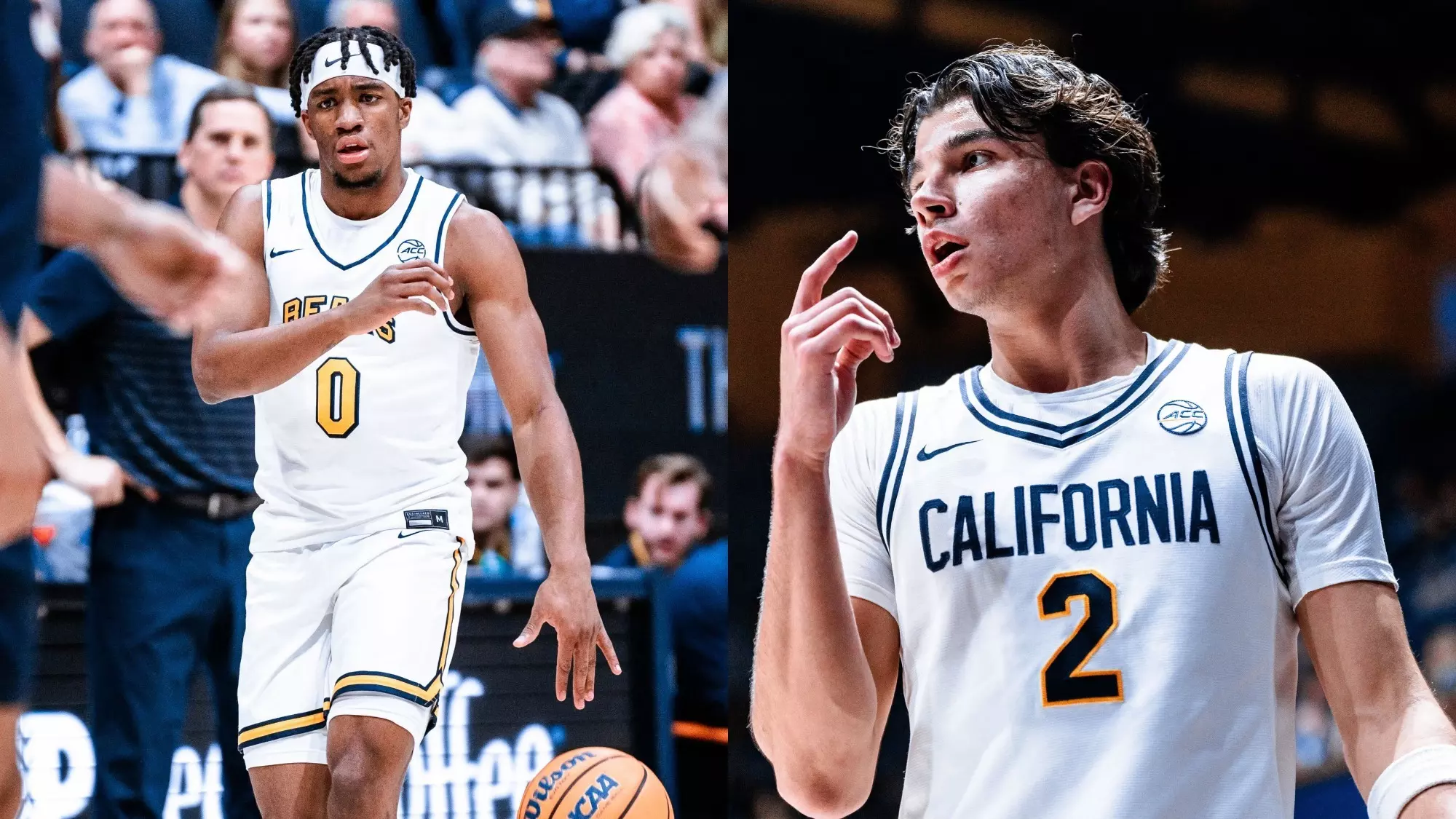
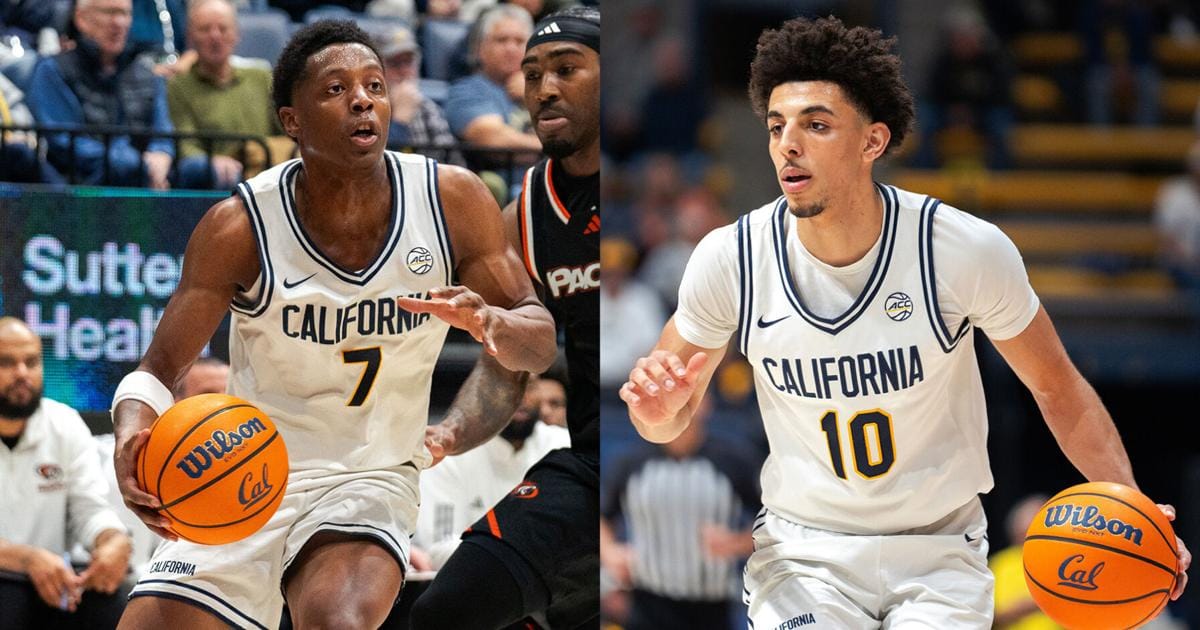
Pippen is listed as the 6th man but likely will need to handle a bulk of the distribution. He had an excellent 29.4% assist rate last year and is used to playing with more shoot-first guards like Ames.
What is holding this team back from a top three ranking is the front court. Petraitis can shoot but often struggles to stay on the floor. He’s also undersized as a four in power conference basketball. BJ Omot had a huge year at North Dakota a couple seasons ago but couldn’t get on the court much for Cal or Minnesota.
It will be a shootout for Cal every night with this team. And while that’s not often a winning solution, with the most backcourt talent in the country, it may be for them.
This team could look even better if Elyjah Freeman and Sebastian Williams-Adams make leaps in their second years. Williams-Adams was an excellent defender in his freshman season. A 6’8” switchable forward, he led Auburn in DBPM. Freeman improved on both ends as the season went on, having some of his best games (vs. Seattle) en route to the NIT championship.
The engine and star of this team is Aden Holloway. Holloway, in the shadow of Labaron Philon, quietly had an outstanding year for Alabama a season ago. He was the best three point shooter in the SEC (43.8%) and stepped up as a distributor with Philon off the floor. Him and Chance Westry (15.5 points per game at UAB) will combine to make an imposing backcourt that will need to carry a lot of the scoring load.
Aden Holloway against No. 5 St. John's:
— B/R Hoops (@brhoops) November 8, 2025
21 PTS | 9-18 FG | 4 AST | 0 TO pic.twitter.com/as0ccCUuNA
Filip Jovic and Abdul Bashir are lesser-known entities. Both came in with outstanding recruiting pedigree, Jovic internationally and Bashir as a JuCo, and now head out West for fresh starts away from the Steven Pearl experience.
The limited sample size for the players outside of the backcourt limits my ability to rank Auburn in the top 5, but the talent, length, and Aden Holloway have them slotting in at 6.
Quick moment of transparency, I am a Georgetown graduate and fan. I’m not sure if that positively or negatively polarizes me in this ranking. What I do know, is that this roster would be far better than anything Ed Cooley has put on the court in his tenure.
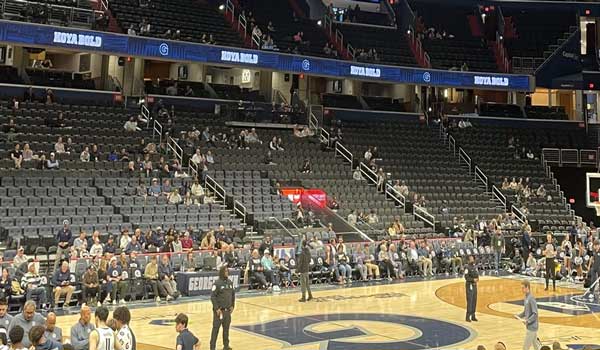
The starting backcourt can get downhill better than maybe any of this list. Brumbaugh, who went to Georgetown Day School for high school, blossomed at Tulane and was All-AAC back to back years. This past season he averaged 19.2/4.9/3.5. KJ Lewis has now shown he can score as a high-usage guard or scale back on a winning team like he did at Arizona.
Drew Fielder is one of the more interesting cases of the Cooley era. He decommitted from Providence and followed Cooley to Georgetown. He then played big minutes as a freshman. Still, it seemed like Cooley didn’t see him as a part of the project. Fielder committed to USC then flipped to Leon Rice and Boise State. There he led the team in BPM and shot over 40% from three as a 6’11” center (on a team that finished 15 spots higher than Georgetown did). He now heads to Alabama for his senior season.
The rest of the roster is filled by ranking frequent flier Jordan Burks who shot 43% on corner threes a year ago for a tournament team at UCF and one time top 50 recruit Julius Halaifouna who was poached late in the portal season for a rumored $2.5 million by Oklahoma State. Halaifouna had a strong second year for Georgetown capped off by 21 points in a Big East tournament upset of Villanova.
Malik Mack, who may start at point guard for Providence next year, can return to a more comfortable role and usage as a scoring 6th man.
The lone reservation on this team is that similar combinations of players have yielded poor results for the Hoyas over the course of the Cooley era. Are the players the problem or is it something deeper causing losses on the Hilltop?
They got the length. They got the talent. They got Jalil Bethea playing point guard…
This is without a doubt the largest, most athletic team on the list. Jarin Stevenson, at 6’10”, slots in as the 3. He and Dioubate are excellent defenders with 3.2 and 2.5 DBPM a year ago. Derrion Reid is more of an offensive option who scored over 15 points in four of Oklahoma’s last six games.
The star of the show will be Aiden Sherrell. The crown jewel of Indiana’s portal haul was the MVP of the team’s trip to Peru this summer. He is athletic, a strong rebounder and has major upside with his jump shot. He shot 2.4 threes per game last year on 33.8%.
The glaring hole with this team is in the guard room where Jalil Bethea stands alone. Bethea, a 5-star recruit coming out of high school, struggled to make an impact at Miami or Alabama. Jeff Capel is taking a swing on him with his back against the wall at Pitt. If he lives up to his potential this team can be the best in the country. If he plays the way he has so far in his college career, the wings and bigs will have to carry a big load.
A pair of March Madness heroes lead the Iowa front court. Pryce Sandfort has a good argument for not only the best shooter in the country but the best scorer. He shot 42% from three on over 300(!) attempts. Still, Sandfort is not just a shooter. He scored 18 points per game and pulled down 5 rebounds while playing 83% of the minutes on a Sweet 16 team at Nebraska. He improved massively on the defensive end as well logging a +3 DBPM. He’s joined by now Louisville forward Alvaro Folguerias. Ben McCollum was slow to warm to Folguerias. However, unlike fellow transfer Brendan Hausen, the former Robert Morris forward did eventually win over his coach. His season climaxed with his game-winning three over reigning champions Florida in the Round of 32. However, he was strong the entire second half putting up 62.2% TS percentage and a 120.5 OTRG.
ALVARO FOLGUEIRAS.
— Ben Stevens (@BenScottStevens) March 23, 2026
The BIGGEST shot of his life. The BIGGEST shot of the last 25 years for Iowa basketball.
And Folgueiras points to the sky to honor his late father.
Chills. Madness. Magic. pic.twitter.com/7qEYiGRfI5
Brock Harding leads the backcourt after a strong season at TCU. He averaged 5.6 assists per game and was a strong defender on a team that ranked 22nd nationally in defensive efficiency.
Seydou Traore and Ladji Dembele played very little a year ago leaving a lot of the upside to Owen Freeman. Freeman was a massive get for Creighton last offseason but never looked right for the Bluejays. He was slower and less efficient than he was in Fran McCaffrey’s system. If he can bounce back, he will provide a key 4th option and interior presence. If not, the forward line will have to carry a lot of water for the 9th ranked Hawkeyes.
This is the largest split between Bart Torvik's player ratings and my official rankings.
The core of this Trojan team had extenuating circumstances causing their PRPG! ratings to skew low. Amarion Dickerson, who got injured early in the season for USC, was one of the premier forward defenders in the country as a freshman at Robert Morris. Wesley Yates looked to be on the verge of a breakout season at Washington before the overcrowded and potentially miscast Washington backcourt resulted in him having a less than efficient season. Arrinten Page was on the brink of a career season with a 7 BPM before seemingly falling out with Chris Collins at Northwestern.
Jalen Shelley is a versatile 4th starter and Isaiah Elohim has shown improvement in the backcourt. I’m still a Jerry Easter believer as a former top 50 recruit that Dana Altman brought to Oregon.
The length and defensive ability of this team combined with Wesley Yates’ ability to score on high usage land USC just inside the top 10.
The 2023-2024 Oklahoma State Cowboys have had quite an exciting few years. Javon Small went on to an All-Big 12 season and an impressive NBA career. Mike Boynton is the head coach of Michigan. And the young front court members now play at UCLA, Kentucky, and Alabama. That team went 4-14 in the Big 12.
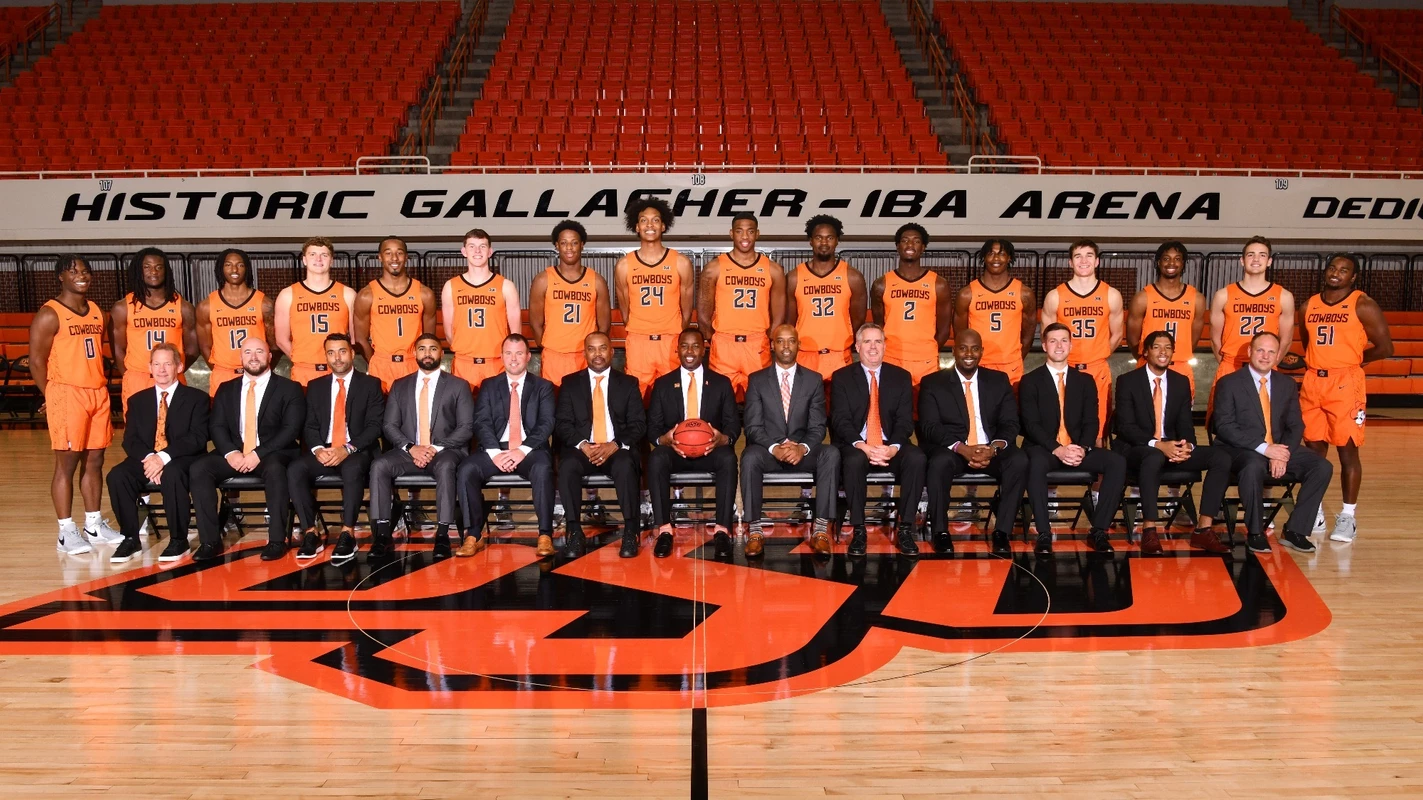
Eric Dailey, Justin McBride, and Brandon Garrison will all have major roles on power schools in the upcoming season. Dailey has been a consistent third or fourth option for Mick Cronin at UCLA for the last two seasons. Justin McBride shot 40.9% from three at James Madison last year and will join Mark Pope and Malachi Moreno at Kentucky as a key stretch four option. Brandon Garrison will leave that Kentucky front court and be a depth piece at Alabama.
In the backcourt, Jamyron Keller, another member of the 2023-2024 squad, had a strong first two games for Louisiana last year before missing the rest of the season due to injury. Once he was out the team went off a cliff. Victorious Miller scored 24 and 30 in non-conference and will be a useful high usage scorer. Jaylen Curry off the bench had a 25.8% assist rate for the Cowboys last year.
While without major star power, Oklahoma State may struggle to dominate teams, but not many teams in the country have six contributors of this level.
Will Volunteer fans miss this front court? I know a large chunk will not miss Jaylen Carey’s inconsistency. Still, Phillips, Estrella, and Carey make up the highest floor big man group in the country. Estrella had a 7.1 BPM including an astounding 5.7 OPM. When Dusty May wants a big man you take notice. Carey, for all his faults, had a 2.7 OPM while Phillips posted one of the highest block rates in the country.
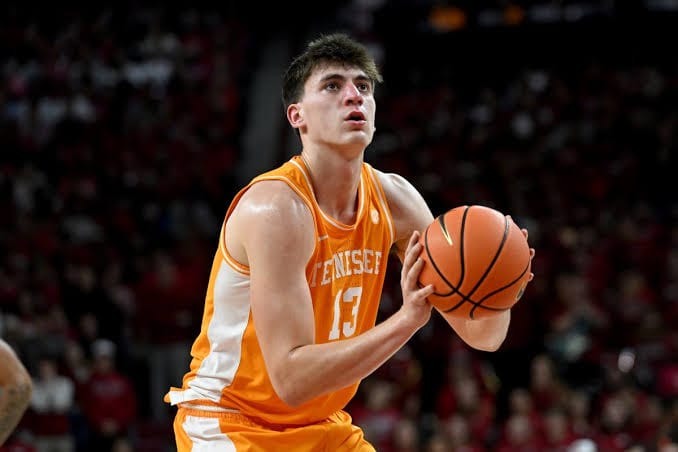
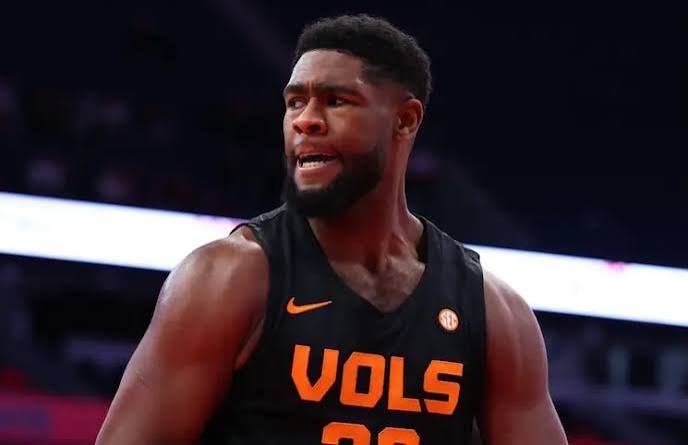
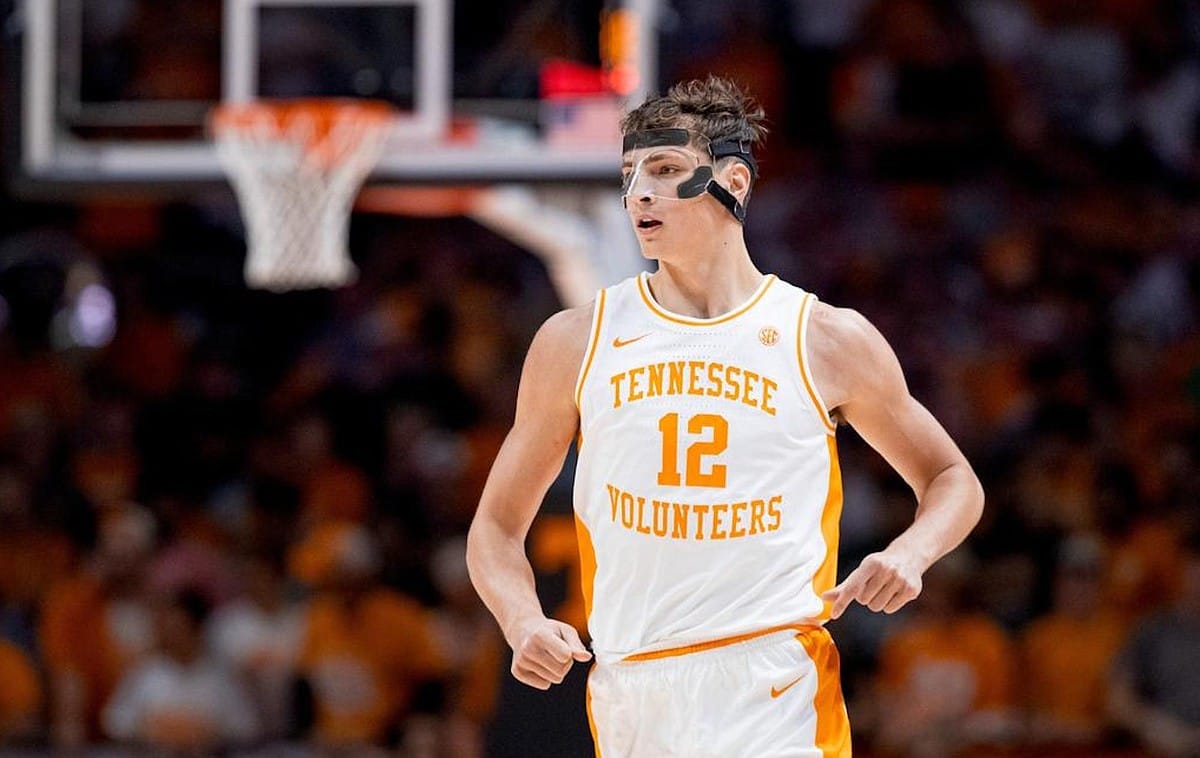
The backcourt is more of a question mark. Evans and Boswell are athletic and long defensive wings. Their offensive is not much to write home about and that may be generous. That means most, if not all, of the perimeter creation and scoring falls to Freddie Dillone. Dillone had a good year for a bad Penn State team last year. He scored 14 points per game on 26% usage. Both numbers will have to go through the roof for this Volunteer team to reach top 10 heights. For now, a high floor Rick Barnes squad will slide in at 12.
Notre Dame finished 93rd in KenPom last year. They were 4-14 in the ACC. Five of the six players on this roster played on that team. Yet, analytically, this is a top 10 roster in the exercise.
This may be a decent case for Micah Shrewsberry to be out of a job.
Markus Burton, due to injury, only played 23.9% of the minutes for the Fighting Irish last year. With a 30.7% usage rate it makes sense as to why they struggled so mightily with him off the floor. He scored over 18 points in seven of the nine games he played including 24 against Kansas and 19 against Houston. Freshman Jalen Haralson had an even higher usage rate than Burton (33.4%!). He ended the year in excellent form scoring over 19 points in five of his last seven games including 25 against house-hunting Will Wade’s NC State. Notre Dame with both of these players healthy would certainly be a far better team than 93rd.
The Notre Dame crowd gave Markus Burton a standing ovation after fouling out of 4OT.
— ACC Network (@accnetwork) March 9, 2025
He ended his night with 43 points 👏 @NDmbb pic.twitter.com/dBoRpj3i8U
Cole Certa made 81 threes and is a quality wing with Haralson and Burton dominating the ball. The lone change in rotation from last year is Carey Booth (taking Carson Towt’s minutes). Booth had a very good year at Colorado State shooting over 40% from three as a 6’10” center. He is a better offensive option than Towt who shot 32% from the foul line.
With the addition of Booth, health to Burton, and a year of development for Haralson, Notre Dame fans should be thrilled to run it back with this squad.
Alex Condon and Ruben Chinyelu. Danny Wolf and Vlad Goldin. Patrick Wessler and Christian Gurdak…
For our purposes the front line of Gurdak and Wessler is quite impressive. Gurdak is 6’10” 260 and Wessler is 7’0” 250. Gurdak came out of high school on a team with Nyk Lewis and Derek Dixon and made an immediate impact at Virginia Tech as a freshman. He flashed real upside including a classic 3OT win over UVA in which he played 46 minutes scoring 17 points and grabbing 12 rebounds. Wessler broke out at UNC Wilmington last year. He was All-CAA last year averaging nearly a double-double.
That front court will be paired with one of the highest upside backcourts in the country. Rodney Rice was in the midst of a star turn at USC before getting hurt last year. He put up 20 and 6 in his first six games before missing the rest of the season. He is joined by Neoklis Avdalas who is a bit more of an unknown quantity. After scoring 33 against Providence in his second career game, he seemed destined for the NBA lottery. What followed was an inconsistent season and a transfer to Michael Malone at UNC.
A pair of Jaden/Jaydon’s round out the roster with the former providing a high-volume off-ball shooter that will fit nicely with a crowded interior. The Hokies are talented but without a guarantee of an Avdalas breakout, Rodney Rice will have a large load to carry with a very crowded paint.
Very few coaches in the country have immediately shown as much skill in the portal as Jai Lucas has over his first two seasons. He first hit with Tre Donaldson and Malik Reneau and followed it with an equally impressive pairing of Acaden Lewis and Somto Cyril.
Still there is talent in the ranks of those who have left Miami. Austin Swartz showed major flashes of scoring potential at Creighton last year including a 33 point performance against my Georgetown Hoyas. He makes an excellent partner to defensive standout Tru Washington. Between Miami and New Mexico Washington has recorded a DBPM over 2.5 for three straight seasons.
Austin Swartz came in CLUTCH in the OT game versus Georgetown. pic.twitter.com/gBe2Fi7ZoV
— NBC Sports (@NBCSports) January 14, 2026
The third guard spot will be between Divine Ugochukwu and Jalil Bethea. Bethea was the final 5-star brought in by Jim Larranaga and has failed to make an impact at Miami or Alabama. Ugochukwu showed flashes at Michigan State last year and may need to average 40 minutes a game as one of the few eligible players on LSU’s roster for the upcoming season.
Paul Djobet found his level at Texas State turning into a strong contributor heading into the new Pac-12 and Michael Nwoko was one of the lone bright spots for LSU a year ago. That pair will have a heavy lift surrounded by four 6’4” and below guards.
Coach Cal and Arkansas are never struggling for top of the line talent. Boogie Fland, DJ Wagner, and Karter Knox were all top 25 recruits coming out of high school. They each have enjoyed varying levels of success at the college level. Fland was the starting point guard for #1 seed Florida last year but struggled to shoot consistently hitting only 24% of his threes. DJ Wagner, a longtime Coach Cal compatriot, was shuffled to the bench by Darius Acuff and Melek Thomas in his last season at Arkansas. Still, he can get to the rim well and has improved dramatically as a defender. Knox is also a plus defender. His perimeter shot is inconsistent but in transition he is a quality three or small ball four.
Knox is able to slide in at the four because of the presence of Zvonimir Ivisic. Ivisic only played 42% of Illinois’ minutes last year but averaged over 2 blocks per game. He can also stretch the floor which can help make up for the Fland and Wagner backcourt shooting foibles. For this exercise, Layden Blocker is a solid 5th starter. The top 50 recruit scored double figures in the Big East a season ago but does not alleviate the shooting concerns as he too was a low 30% three point option.
The talent base is too strong for Arkansas to fall outside the top 20, but the roster fit has too many questions for them to rise far beyond 16.
If Connor Essegian promises to stop making TikToks this could be a Top 15 team. For now, the Badgers come in at 17.
The backcourt of Freitag and Blackwell is the highest scoring duo in the entire country. Freitag averaged 20 points per game for Buffalo and now heads to the new Pac-12. Blackwell scored 19 a game for the Badgers and now will feature for a preseason top three team at Duke. We just witnessed the power of a Nick Boyd/John Blackwell backcourt. Freitag can fill Boyd’s role fairly well. He lacks a bit of the speed and power of Boyd but is undoubtedly a very talented scorer.
Wisconsin transfer Daniel Freitag (@DanielFreitag_) had a huge game in Buffalo’s 94-90 win over Vermont. The sophomore guard finished with 33 points, 4 rebounds, 3 assists, 3 steals, 10-20 FG, 4-9 3FG. pic.twitter.com/u7BVYwE8rL
— Rising Ballers Network (@dylan_lutey) November 19, 2025
Essegian is the third scoring option. He missed nearly the entire year for Nebraska due to injury but at his best is a strong off-ball shooting option. He shot 38% on over 200 attempts in his junior year.
Robinson, Bielauskas, and Candelino are the questions. Bielauskas famously knocked down five 3s in the second half of a shocking win at Michigan a year ago. Outside of that, the front court trio has provided very little evidence that they can consistently contribute at a Power 5 level.
I love Paulius Murauskas. His past two years at St. Mary’s were dominant including a top 20 KenPom POY rating a season ago. He averaged nearly 18 and 8 for a top 30 team at Saint Mary’s and is easily one of the five best players in this exercise. He’s joined by KJ Lewis, an outstanding defender and transition scorer that looked comfortable alongside Caleb Love and Jaden Bradley as well as in a leading role at Georgetown last year.
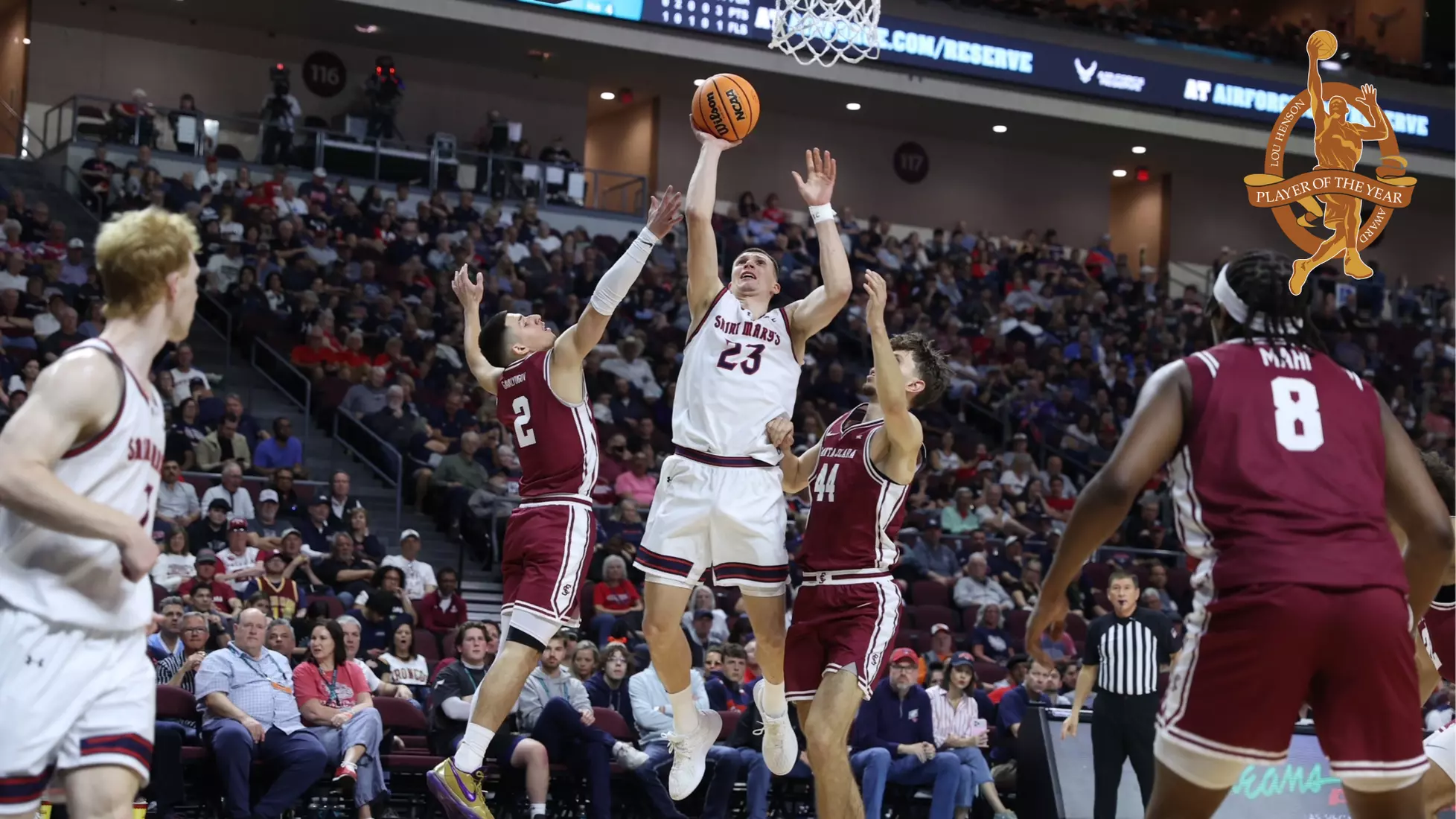
That duo alone vaulted Arizona into the Top 25. The rest of the pieces are less convincing. Dwayne Aristode partially cracked the rotation for one of the best teams in the country a year ago and will be a useful stretch forward at Oregon next year. Conrad Martinez played well until the stretch run for a High Point team that won a tournament game. Neither Emmanuel Stephen nor Sidi Gueye could stay on the court despite their lofty recruiting ratings.
This team will go as far as Murauskas and Lewis can carry them, and on the evidence of Saint Mary’s and Georgetown last year, the jury is still very much out on how far that is.
The positive of Baylor’s three front court options combining for less than 5 points per game a year ago is that the three guards may already have an issue sharing just one ball.
Robert Wright, Miro Little, and Tounde Yessoufou can fill it up. Wright averaged 18.1 points per game while shooting 41% from 3 at BYU. Little scored 12.7 points per game for UCSB and Yessoufou led Baylor with 17.5. All three players had a usage rate of over 24%. Wright and Little can distribute when needed. The pair averaged 4.6 assists each last year.
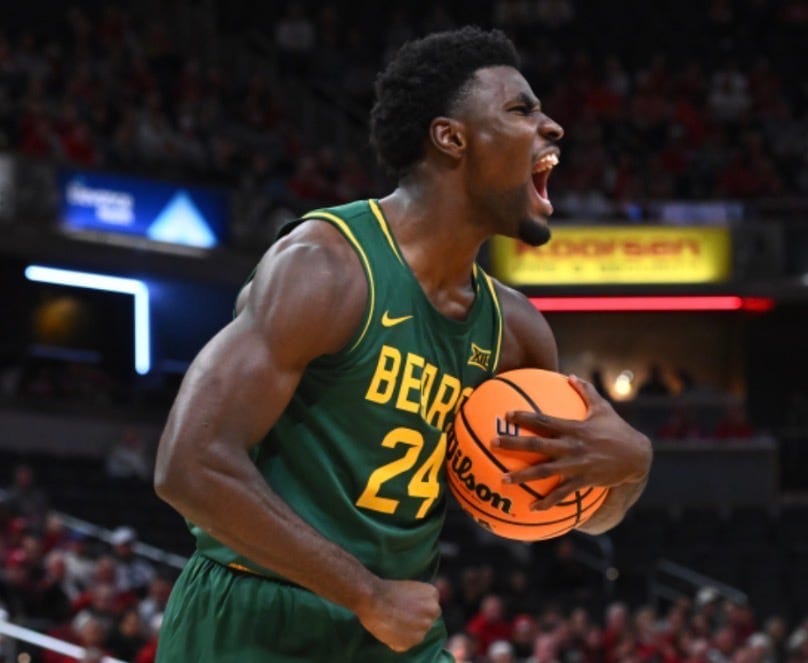
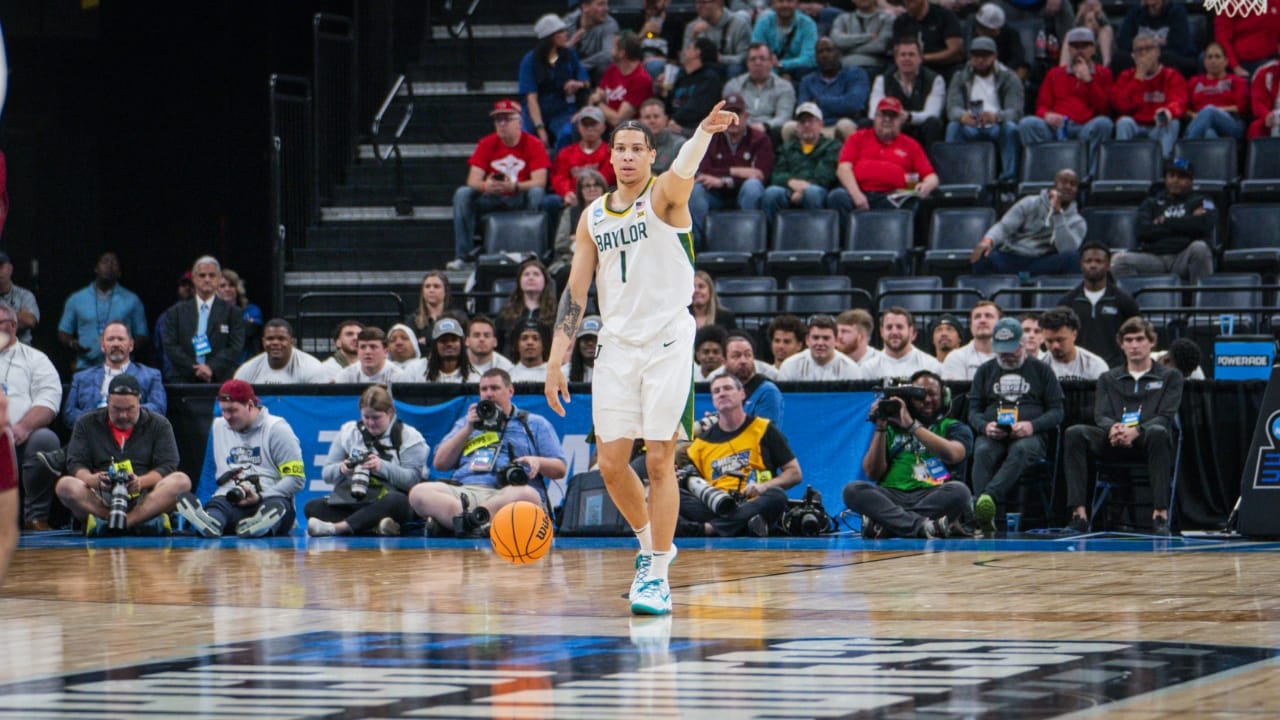
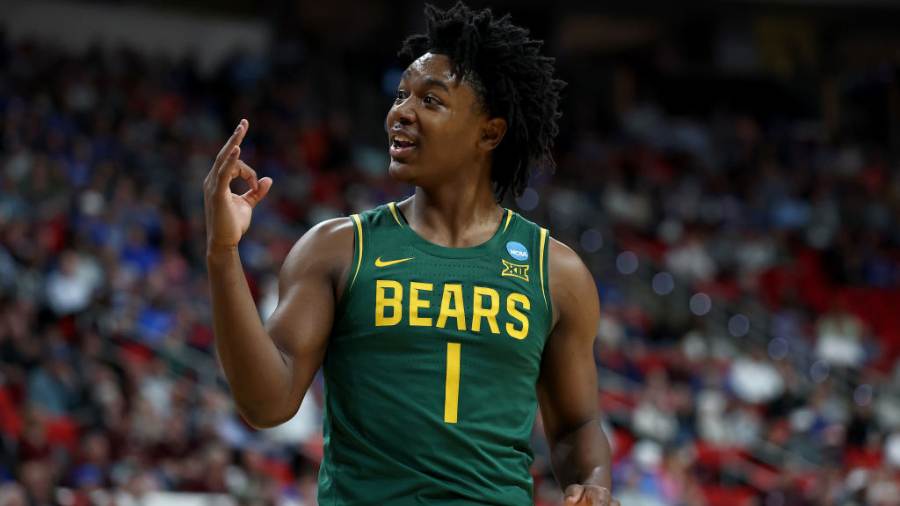
The front court upside relies heavily on Josh Ojianwuna getting healthy. Ojianwuna only started playing basketball at 14 and flashed big time potential in three years with Baylor. He recorded four double-doubles and averaged 7 and 6 before hurting his knee at the end of his junior year. That injury caused him to miss the entire 2025-2026 season. He will need to step up next to former G-Leaguer James Naji and Jason Asemota.
The backcourt rocks, but without a front line to support it, Wright, Little, and Yessoufou will need to outgun Baylor’s opponents.
Where do players go after Last Chance U?
Johnny Dawkins has cleverly turned UCF into a stop for talented yet struggling players. He will certainly test the boundaries of this model with Dior Johnson’s return this season. However, the flow of talent out of Orlando is still impressive.
Moustapha Thiam is in store for a huge season at Michigan. The 7’2” center was All-Big 12 honorable mention last year at Cincinnati blocking over 50 shots for a second consecutive year. In fact, he was 4th in the entire country in blocks. He can also step out and shoot the ball knocking down 23 3s as a freshman and 15 last year. Jordan Burks is another front court piece that can shoot. The former 4-star Kentucky recruit broke out at UCF last year. He averaged over 13 points per game and shot 37% from three. He and Thiam will be an imposing and versatile font court duo.
Nils Machowski and Tyler Hendricks left UCF for mid-major schools and each had a big year. Machowski averaged 17.2 points per game for Wofford in the SoCon while Tyler Hendricks scored 11.8 points and pulled down 4.3 rebounds for an impressive Utah Valley team. Both players are back among the Power 5 ranks this year and should provide a solid floor for this UCF team.
The guard production will need to come with either Comeh Emuobor or the (in)famous Mikey Williams. Their creation and scoring question marks at this level limit the ceiling for UCF, but if anyone can get a tune out of this makeshift roster Johnny Dawkins just may be the man.
LSU finished 3-15 in the SEC last year, yet the core of that roster had plenty of talent.
Dedan Thomas and Michael Nwoko were both strong contributors in a disappointing season. Thomas sported an outstanding 43.6% assist rate and 5.9 OBPM while Nwoko was second on the team with a 4.1 OBPM. Thomas is set up to be one of the best point guards in the country at Houston next year.
That duo is surrounded by talented, yet inconsistent pieces. Vyctorius Miller can score while Curtis Givens began to develop into a far more efficient guard, jumping his effective field goal percentage by 15 points from his freshman year at LSU to his sophomore season at Memphis. Jalen Reed missed all but six games last year, a reason for LSU’s major downturn. Going back to 2025, Reed was an effective scorer and rebounder for the Tigers.
Many of the pieces on this team have yet to be in a winning college basketball environment, but I am choosing to believe that their talent will prevail in these transfer games.
Colorado joins Notre Dame and LSU as teams that find themselves in the Top 25 despite running back a roster that struggled a year ago. The Buffs finished 7-11 in the Big 12 and 70th overall in KenPom.
Yet much like the Fighting Irish and Tigers, there is a reason that this team’s leaders have been poached by top programs. Isaiah Johnson had a historically impressive freshman season as a guard in the Big 12. Johnson was All-Big 12 honorable mention and broke Colorado’s freshman scoring record previously held by Alec Burks. He scored 28 and recorded 5 assists against then #2 Arizona. He will be on the SEC POY shortlist next year at Texas.
Dwyane Wade loves what he’s seeing from freshman Isaiah Johnson 👀
— DNVR Buffs (@DNVR_Buffs) November 4, 2025
Johnson leads the Buffs with 22 points 🔥 pic.twitter.com/48oRGp9Qk3
Bangot Dak and Sebastian Rancik also had impressive years. Dak averaged 16 and 7 down the stretch and blocked 50 shots. Rancik, another 6’10” forward, scored 12.5 points per game and pulled down 5.5 rebounds. He also was 4th in the entire conference in free throw percentage allowing Colorado to spread the floor while keeping him and Dak in the lineup.
The other three pieces are less convincing, holding back both this roster and Colorado in the Big 12 last year. Alon Michaeli flashed as a freshman but Tacko Ifaola and Assane Diop rightfully moved down levels.
While they are very reliant on their top 3, this roster can give Buffs fans a taste of a roster with retention.
How good of a defender is Garwey Dual?
A Providence team that featured Vaaks, Jones, and Erhunmwunse a year ago ranked 170th in defensive efficiency. Dual joins that core group and brings length, athleticism, and switchability that can likely hide some of Vaaks’ deficiencies. Dual averaged over 1.5 steals per game at McNeese last year and has recorded a DBPM of over 2.5 in each of his first three college seasons. There’s no reason that Oswin cannot be a positive on that end as well. Although he anchored a defense that struggled mightily, he did average over two blocks per game.
Vaaks is one of the premier offensive talents in the sport. The Estonian freshman scored over 20 points in 10 of the final 16 games. He is an elite pick and roll ball handler that gets to line at will. Jones, while also not a top-level defender, is a menace in the open court. He finished last year as one of 11 freshmen to average 10 points and four rebounds on at least 55% shooting.
Fernandez and DeLaurier are likely not Power 5 contributors. This lack of depth combined with the defensive concerns have a talented Providence team topping out at 23.
In our transfer world, Donnie Freeman has a fully intact Achilles. When healthy, and engaged, Freeman is a star. The number 8 recruit out of high school, Freeman averaged 16.5 points per game and 7.2 rebounds last year. At 6’9” 205, he is too quick for opposing forwards and too big for opposing guards. He’s joined by fellow jumbo guard Chance Westry. Much like at Auburn, Westry never got a chance to make an impact at Syracuse. Last year however, he broke out in acting AD Andy Kenndy’s system at UAB. He scored 15.5 points per game and dished out 5.5 assists, receiving All-AAC honors. At 6’6”, he is also a massive matchup nightmare.
The two swing pieces for this roster are Naithan George and Petar Majstorovic. George continues his tour of the ACC going from Georgia Tech to Syracuse to Pitt. He’s an accomplished distributor but is still yet to score efficiently in college hoops. Majstorovic found a better level for himself at LBSU last year, scoring 14.4 points and grabbing 6.4 rebounds. He is transferring up to Griff Aldrich at Pepperdine and if he can find his footing in higher level college hoops, he will make a formidable front court with Freeman and the versatile Tyler Betsey.
This Duke squad answers the age old question of what a team of 7th men would look like playing together. However, it is important to note that these are Duke 7th men. TJ Power and "TJ Power regen" Nikolas Khamenia were 5-star recruits. Darren Harris and Sean Stewart were both top 40 players coming out of high school as well. The talent is there, the production at Duke overwhelmingly was not.
TJ POWER SENDS IT TO OVERTIME. HE HAS 40!!! 😨
— NCAA March Madness (@MarchMadnessMBB) March 15, 2026
MARCH STRIKES AGAIN ⚡️
(via @espn) pic.twitter.com/BU1jnO0omU https://t.co/eTHjus6LJc
Power has blossomed at his third stop turning into a lethal scorer and high-volume three point shooter. Khamenia likely will be able to do the same under Dan Hurley at UConn. Jaden Schutt off the bench is a third plus shooter having shot 38.5% from three on over 5 attempts per game last year in the ACC.
Christian Reeves takes a big step up this year heading from Charleston to Kansas, his fourth school of his collegiate career. The 7’1” 245 lbs center averaged 11 and 7 on a staggering 65.4% from the field last year. However, he may have just been too big for the CAA frontlines as he was less productive than fellow 7’0” Patrick Wessler. Reeves also never managed more than 5.3 minutes per game in his three ACC seasons. He will be joined by Sean Stewart in the front court who returns to Oregon for a second year after a disappointing first filled with frequent minute changes and shooting struggles (I watched him and his dad look very sad as he struggled in College Park last November).
The distribution and handling in the backcourt falls almost entirely to Darren Harris. Harris scaled down his role to get into the rotation last year at Duke with a 15.3% usage rate and a very low 6.1% assist rate. He did average over 3 assists on a 33-2 PVI team his senior year of high school making a scale up in on ball duty not totally implausible.
Still, with a roster full of folks replaced by Drew Scharnowski, 25th is the highest I will go with Duke.
