


While every other scholarship player on Michigan’s roster either addressed the hordes of media on the floor at Lucas Oil Stadium, L.J. Cason stood at the hash alone taking it all in.
Cason was supposed to be one of the number of Michigan players being swarmed after the completion of one of the best seasons a college basketball team has put together in recent memory, but there he was taking a backseat and watching everyone else enjoy the fruits of their labor.
Between his Feb. 27 injury and Michigan’s national championship win on April 6, Cason got used to that. When Michigan’s locker room would open, flocks of media often went elsewhere. When Michigan’s most memorable moments were replayed, Cason was in the background in street clothes.
It took him four questions to reflect on the juxtaposition of his role in this national championship run, but he stops to reflect for a second when he’s approached about the possibility of thinking about the role that he could’ve played in this had this game not been so cruel to him. Cason was often too consumed with figuring out how to push the right buttons with his teammates during the run to think about himself, though.
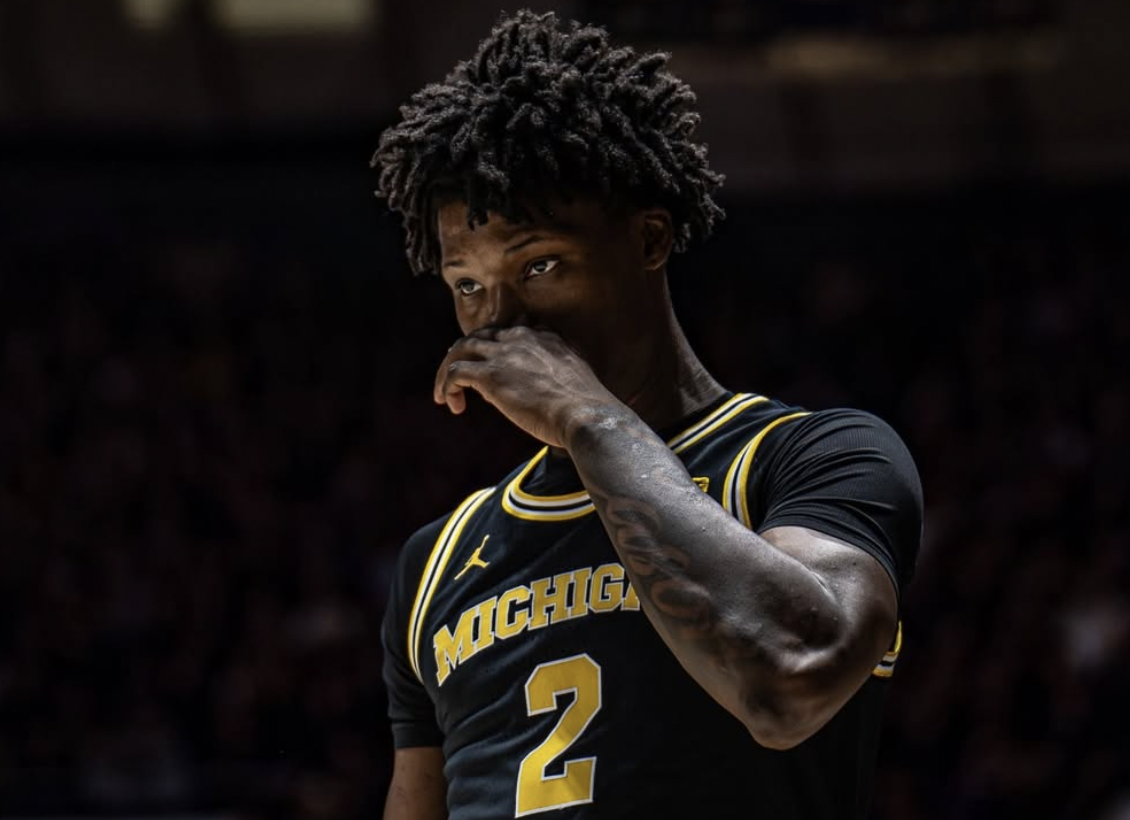
“That was definitely hard,” Cason told Basket Under Review from the floor at the national championship game in regard to having to sit out. “But, I think it was a big thing for me to just sit on the bench and get my head from out my personal ambitions and just put my all into the team and just communicate the best I can them with them and help them.”
Cason contributed 8.4 points and 2.4 assists per game to one of–if not the most–successful seasons in this program’s history, but he won’t be remembered in the same light as a number of his teammates because of the torn ACL he suffered before postseason play began.
The visual of Cason tearing his ACL while trying to throw a behind the between-the-legs pass and landing awkwardly will likely sit in his head for a number of years, but he’s worked to think more about what he was able to experience as a member of Michigan’s 37-3 team that immortalized itself against UConn in Indianapolis.
“There’s a lot to remember,” Cason said, ”The fun we had, my brothers–I think that's the most important thing, the brotherhood we have, the relationships we built. And, I mean, 20 years from now we'll be able to come back and we'll be able to talk about this when we sit down at the reunion.”
Among those memories are Cason standing in the midst of the confetti falling on one of the best nights in Michigan basketball history, him holding the trophy next to Wolverines star Yaxel Lendeborg on a float during the championship parade and him being along for a ride that the vast majority of college basketball players never get to experience.
If it was weighing on him heavily in that moment, he wasn’t showing it.
“It feels amazing seeing my team go out there and perform how they did,” Cason said, “And come out with a national championship.”
Ceiling determiners:
Louisville: Shooting and general guardplay
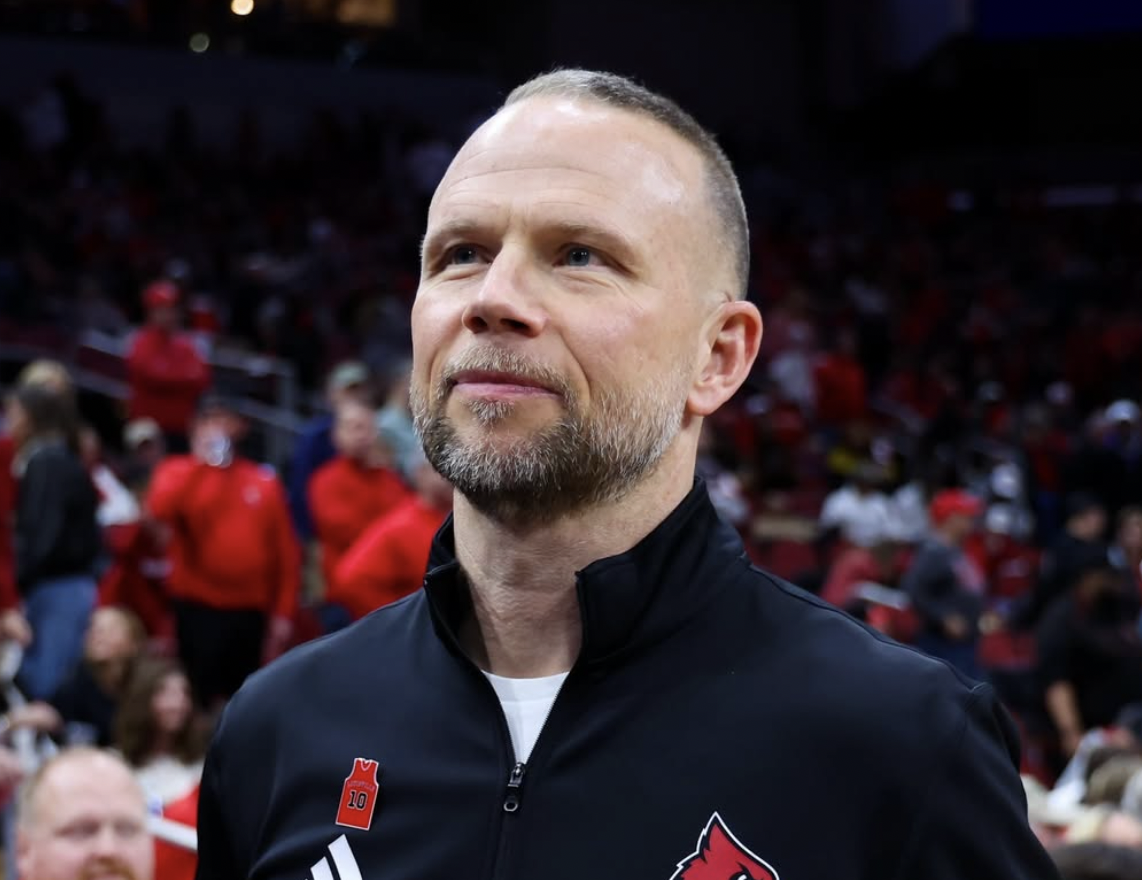
Saying Pat Kelsey’s high-dollar transfer class marks a complete shift in philosophy may be a bit drastic, but his 2026-27 roster has a more significant dose of physicality–and a generally higher level of investment in the frontcourt–than any of his previous teams at Louisville.
Louisville’s offseason class is headlined by Kansas transfer Flory Bidunga–who a number of services had as the No. 1 player in the portal–and also includes five-star big man Obinna Ekezie, USC transfer Gabe Dynes as well as Iowa transfer Alvaro Folgueiras–who is the only big it landed that is a capable shooter. Kelsey appears to be betting on the idea that his program can follow the model that each of the teams in the Final Four did by rostering a deep frontcourt headlined by a game-changing five man or two.
Kelsey dubbed his program Point Guard U in the preseason and he’s still invested in the position by pursuing and landing Oregon transfer Jackson Shelstead, but more of Louisville’s money appeared to go to the frontcourt than it did to the backcourt in this cycle. Louisville’s 2025-26 team had one of the country’s most dynamic backcourts on paper, but it didn’t shoot it all that well against the best teams on its schedule and was naturally high variance because of how much of its offense had to come on the perimeter.
This roster has more consistency built into it than that one did, but its ceiling will still be determined by its guardplay and shotmaking–like that one’s was.
Mikel Brown and Ryan Conwell aren’t walking through that door, and Shelstead will have some pressure on him as a result. He’s got to score it. He’s got to get others involved like he did as a junior at Oregon–the year in which he averaged 4.9 assists per game after averaging less than 3.0 a game in his first two seasons. He’s got to give this team something that from the one it had a
This group isn’t completely devoid of shooting like some nationally have declared it to be–Shelstead, Folgueiras, Dayton transfer De’Shayne Montgomery and Arkansas transfer Karter Knox all had 3-point shooting percentages in the 30s, and perhaps Louisville could land Iowa State transfer Milan Momcilovic–but it doesn’t have a dynamic shotmaker on the roster and its backcourt doesn’t appear to be the element of its roster that makes it dynamic.
The difference between this Louisville team and that one, this one’s backcourt and shotmaking on the perimeter has to be just good enough for this group to succeed. It doesn’t have to bear the burden of the season as a whole–and that’s an indicator that this roster is more well constructed than it was a year ago.
Tennessee: Role Allocation
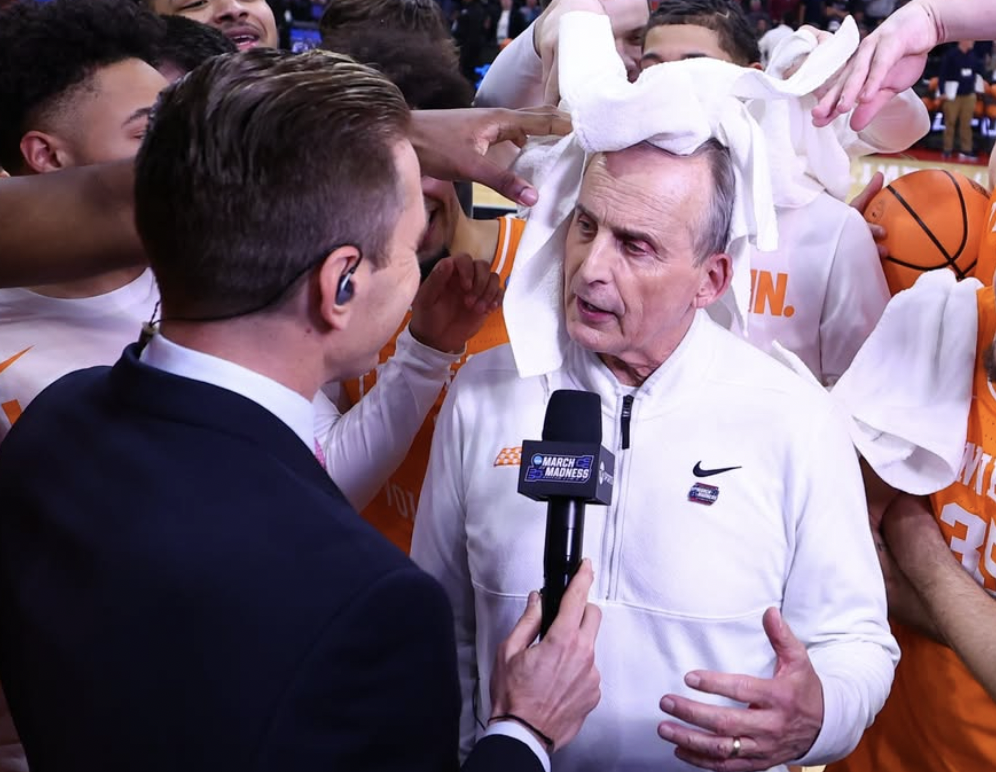
Rick Barnes privately expressed a desire to have a different looking team on the floor in 2026-27 than he did in 2025-26 in the days prior to the portal opening, and he clearly has it.
Barnes is clearly fed up with the idea of failing to get over the hump after three-consecutive seasons in which his program has been bounced in the Elite Eight, and he’s taken no prisoners this cycle as a result.
“We were looking for production over retention, and I think we’ve done that,” Barnes said. “But these guys are, they’ll build their own team. You got to do it every year anyway. It doesn’t matter if you got guys coming back, a bunch of guys, you still have to build a new team every year.”
Barnes’ ruthlessness is summed up by this number. Tennessee’s six outgoing transfers combined to average 31.8 points per game last season. Tennessee’s seven incoming transfers averaged 107.3 points a night. Obviously there’s some context to be added to those numbers–namely that only three of those seven transfers played at power-five programs last season–but the idea isn’t hard to see here.
Tennessee’s staff clearly went for as much scoring–particularly off the bounce scoring–as possible, figured it could teach enough defensive acumen into this group to excel and pushed role allocation down the road a bit.
There’s a few pieces here that will obviously have roles that fit their skillsets: Miles Rubin will be on the floor to give Tennessee something on the defensive end and an interior presence, Tyler Lundblade will run off of pindowns and flares, Juke Harris will be among this group’s go-to guys–and Dai Dai Ames probably will be, too.
For this to come together, though, there’s going to have to be some sacrifice. Ames and VCU transfer Terrence Hill Jr. will have to find a way to complement each other. After a season at Notre Dame in which Jalen Haralson was No. 9 in the country in usage rate, he may have to learn how to be the third or fourth option on the floor at a given time. Harris will have to pick his spots more than he did a season ago on a mediocre Wake Forest team.
Barnes and company have a good problem on their hands, but it may take them a long time to figure out how this all comes together in a way that makes sense.
Texas A&M: PJ Haggerty
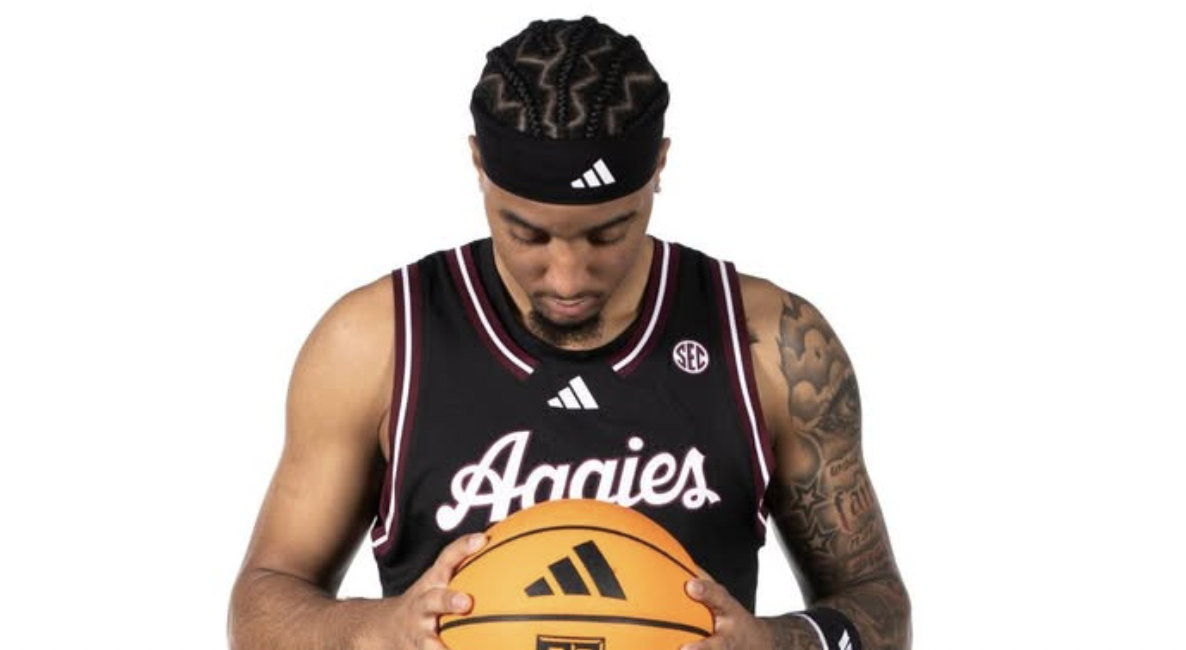
Texas A&M can be good without Haggerty at his best, but–with the volume he looks to score it at–it probably can’t be great unless he looks like the second-team All-American he was in 2024-25.
Haggerty is going to score it–and he may be the country’s leading scorer in Bucky McMillan’s up-tempo system–but Basket Under Review’s Matthew Winnick put it best in regard to the questions surrounding Haggerty.
The concern is whether the scoring comes with the level of engagement and consistency Texas A&M needs from its best player. Kansas State was bad last season. Memphis had its own issues two seasons ago. Tulsa was a mess before that. Some of that is circumstance, and Haggerty has not always been in great situations. But when a player has been that productive on teams that have not won much, it is fair to ask how much of his game translates beyond the box score.
McMillan added a few nice pieces in Tennessee transfer Cade Phillips, Loyola Marymount transfer Jaylen Shelley and LSU transfer Jalen Reece, but Haggerty is going to be relied upon to be the leading scorer–and the all-around best player here.
If he can be that, McMillan could have one of his better teams on his hands. He’s given Haggerty the responsibility, now Haggerty has to hold up his end.
Kansas: Frontcourt
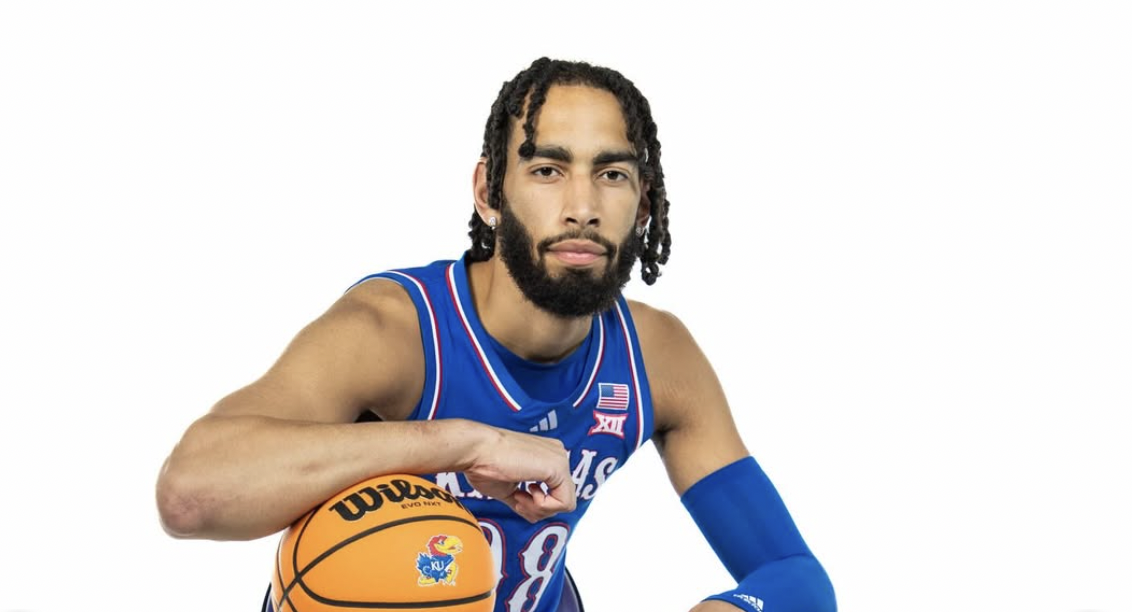
When Kansas held a significant portion of its player compensation budget–which already appears to be a tick below what the program’s pedigree would indicate–aside for Tyran Stokes, it had already limited itself in terms of what it could do in the frontcourt.
While a number of the sport’s best teams have poured a large chunk of their budgets into becoming as deep and talented as they can in the frontcourt, Bill Self invested heavily in Stokes, five-star freshman guard Taylen Kinney and Toledo transfer Leroy Blyden–who averaged 16.4 points and 4.5 assists while shooting from 40.7% 3-point range in 2025-26.
Kansas doesn’t have unlimited money and Self investing in the backcourt primarily was a factor in him having to address the frontcourt with a more limited pool of resources.
Rather than landing a big man that commanded three-to-four million dollars, Self landed on Charleston transfer Christian Reeves–who averaged 11.2 points and 7.8 rebounds this season, but played three seasons in the ACC in which he averaged less than two points per game. Reeves is a modern big that can run the floor and has some length, but he’s not all that physical and has some room to go as a shotblocker at this stage. It’s not as if he’ll be ineffective, but he’s not Bidunga or former Kansas big Bryson Tiller.
Self is used to having a nearly-dominant big man that he can have his guards dump it down to for easy baskets, but he doesn’t have that on his 2025-26 roster.
Kansas did add a few athletic options at the four in Radford transfer Dennis Parker Jr. and Keanu Dawes, but will have to rely on Reeves and rising sophomore Paul Mbiya–who averaged 1.2 points and 1.4 rebounds per game as a freshman in 2025-26.
Mbiya and Reeves both have a significant amount of responsibility to bear. What each of them do with it will determine how good Self’s only team with Stokes is.
Stay-go verdicts
Ebuka Okorie: Go
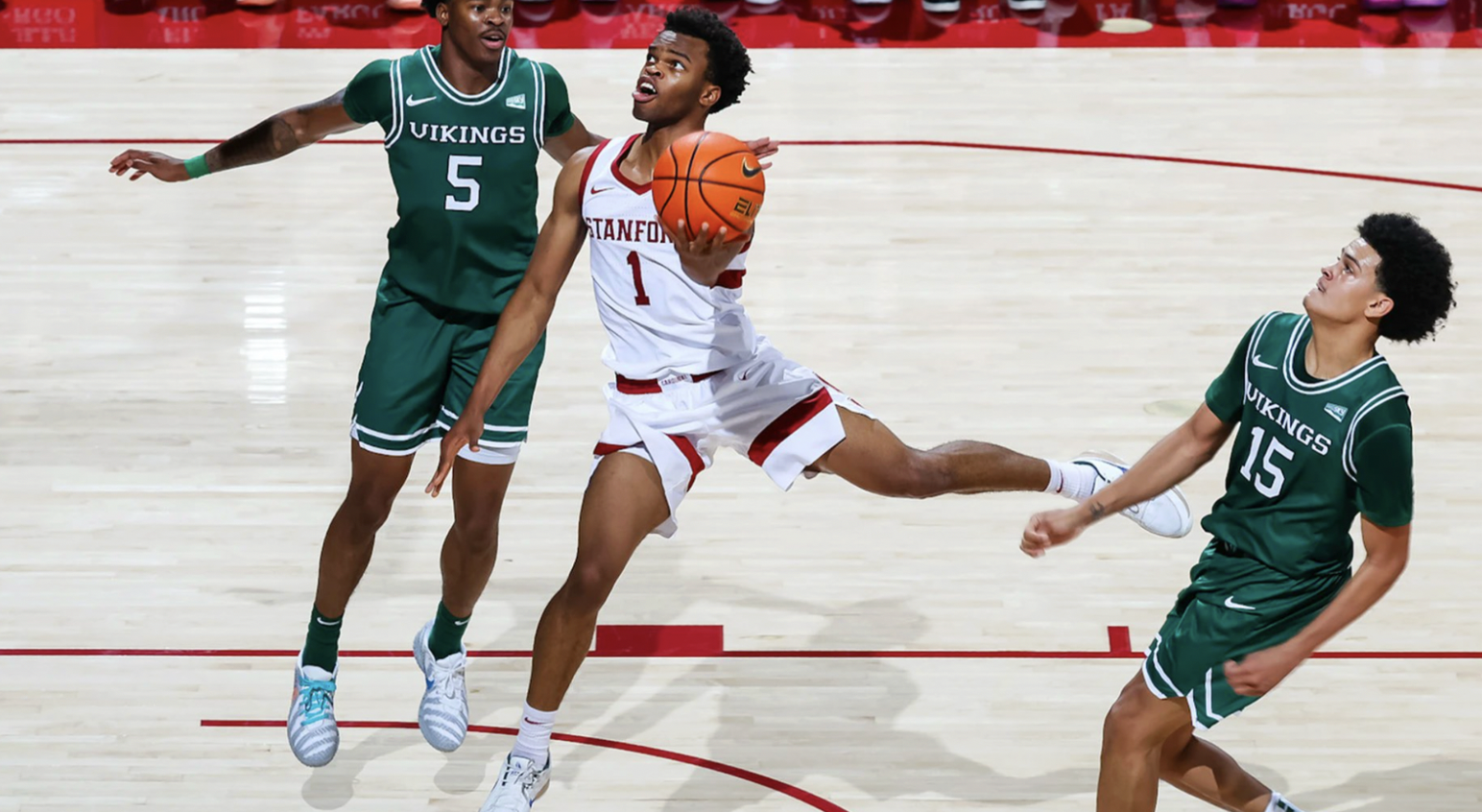
Okorie’s dad told Stanford coach Kyle Smith that the only way he would allow his son to decommit from Harvard and join his program was if Smith could allow him to train for the NBA. Smith believed that it was possible, and now Okorie will prove his former head coach right.
The headline of Wednesday’s NBA Draft combine media availability was Okorie telling reporters that he’s decided to stay in the draft. There was thought that Okorie could give Stanford a second season after finishing eighth in the country with 23.2 points per game and averaging 3.6 rebounds as well as 3.6 rebounds, but he felt as if now was the time to capitalize on that season by joining an NBA organization.
“I already talked with Kyle Smith,” Okorie said, “And I talked to my agents and my family. I'm staying in the draft.”
Now, Stanford will have to search for a way to account for the loss of one of the country’s best scorers.
Amari Allen outlines his criteria
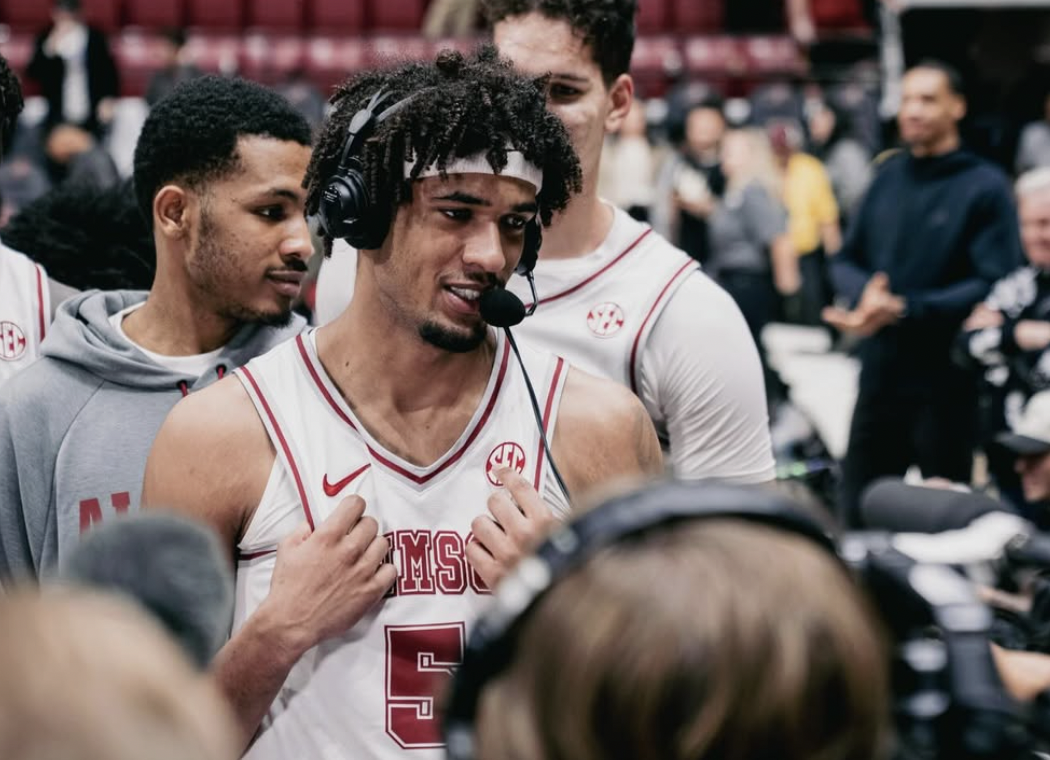
Allen is a fringe first rounder after a standout freshman season at Alabama–in which he averaged 11.4 points, 6.9 rebounds and 3.1 assists per game–and has a real decision on his hands.
He didn’t hide the factors that will play into his decision as he met with the media on Wednesday.
“Obviously first round,” Allen said in regard to what it where he would have to be taken for him to stay in the draft. “If it was second round, I would go back to school. I definitely feel I can go back to college and be a 20 and 10 guy. Ultimately, though, I want to go to the NBA.”
Allen also said that he’d be given some added playmaking responsibility if he were to return for a second season at Alabama. A breakout season from Allen–paired with his NBA-like frame– could catapult him into a near lottery slot in a season if he were to return to school and develop the way he believes he can.
Henri Veesaar: Go
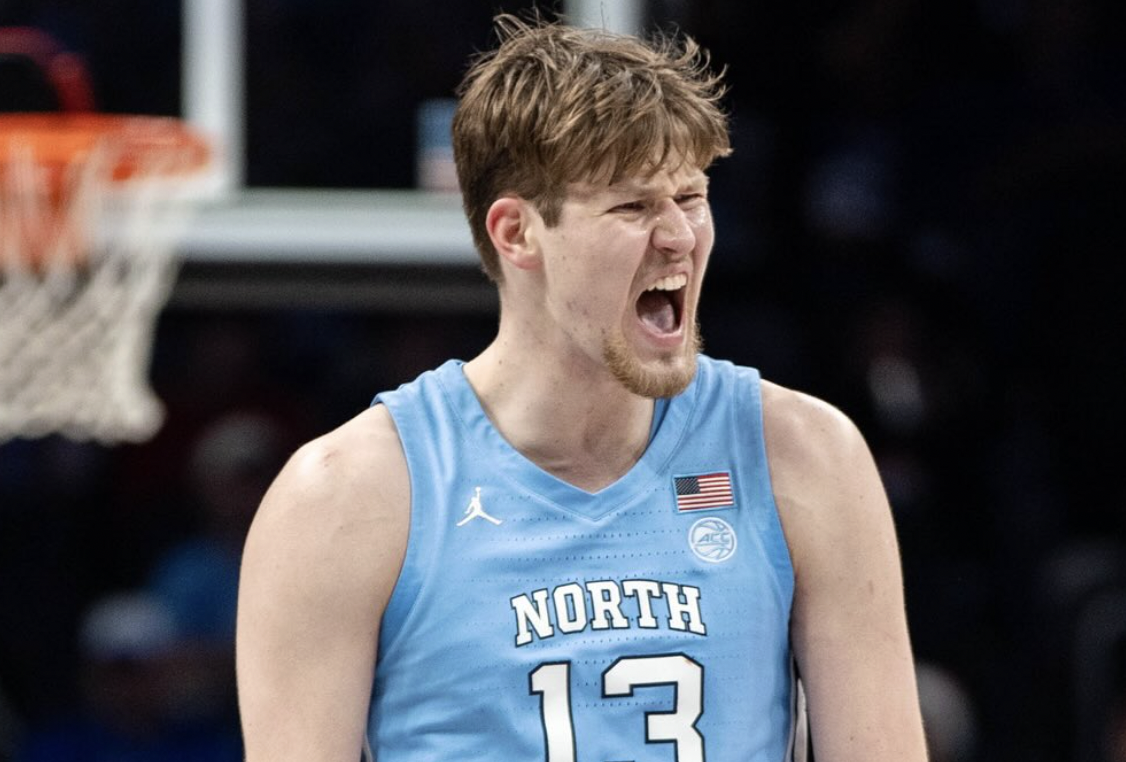
New North Carolina head coach Michael Malone likely knew that he wouldn’t have Veesaar, but now he’s got on-the-record confirmation.
Veesaar is heading to the NBA after averaging 17.0 points and 8.7 rebounds per game in 2025-26.
“I feel like it's just the right thing to do, basketball wise. Going to the NBA, it's gonna help me develop more, get better basketball quicker, better than staying in college.”
Still undecided:
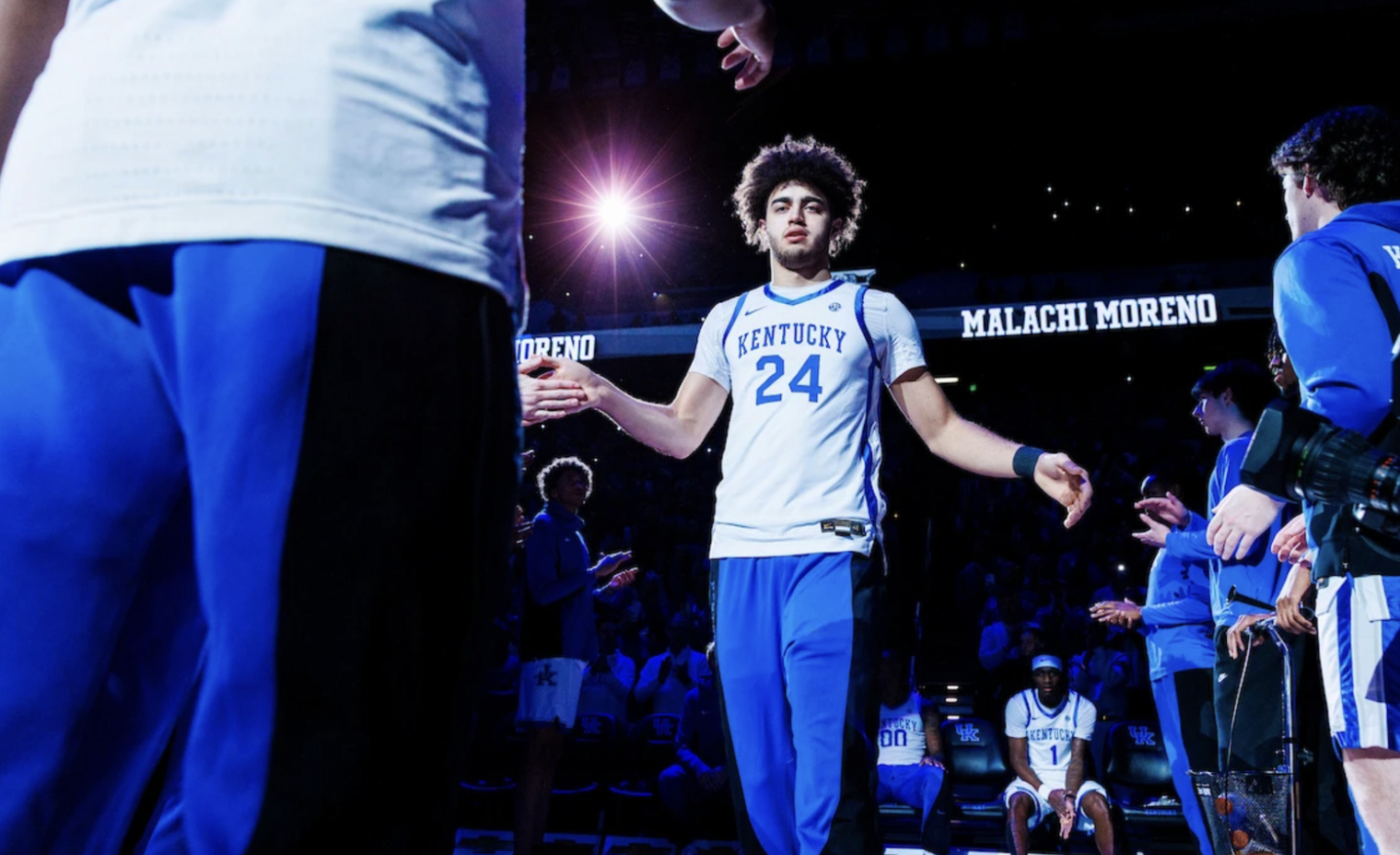
Vanderbilt guard Tyler Tanner, Allen, Santa Clara transfer Allen Graves, Baylor transfer Tounde Yessoufou, Momcilovic, Kentucky big man Malachi Moreno and Michigan big man Morez Johnson have all indicated that they’re undecided.
