


ATLANTA—-The tall white walls on each baseline provided a movie-like background for Jon Cremins as he dribbled across the 3-point line towards what was normally the bleachers behind the home bench at the Georgia State Sports Arena. Today, though, it was summer camp and the bleachers were packed in as Cremins made a push to get the Blessed Trinity High School offense going.
If he were to step outside, he’d be blitzed by the Atlanta heat. But, for now, Cremins had no intention of leaving this gym and his opportunity. Cremins wasn’t thinking about anything that his future could hold at that point; all he was focused on in this moment was showcasing what he and his teammates could do in Georgia State’s summer team camp.
The memories of Cremins’ performance at that camp have gotten lost amid the ascent of his career and his contributions to three NCAA Tournament teams over the past three seasons as he sits in a sky box at Georgia State’s new arena, the Convocation Center. What he does remember is how blown away he was at the accumulation of talent in the gym at those camps and what he felt about Georgia State back then.
“I always had an understanding of what Georgia State basketball is about,” Cremins told Basket Under Review. “I always knew I would want to be a Division-I head coach. Was I thinking about being the head coach of Georgia State? No. But I've always–in the back of my mind--felt it could be a possibility. Being in Atlanta, recruiting this place, recruiting the city. At that time, I was probably worried about getting a couple buckets, but it was definitely always in the back of my mind that this could be an opportunity for me to become a head coach.”
Over 20 years later, Cremins has revitalized his lifelong pursuit of becoming the leader of a Division-I program, and he’s doing it in the place that he once camped at and hoped to be noticed by. As he does so, he’s living what he agrees is a nostalgic lifestyle.
Everywhere he goes, he says, reminds him of a past life experience. The old Georgia State Sports Arena–which still stands within the facility–reminds Cremins of camp and of coaching against Georgia State as an assistant at Georgia Southern in epic rivalry games that had fans lined up all the way down the sidewalk before the gates opened. The area around Georgia Tech reminds him of his uncle Bobby Cremins’ legendary run as the Yellow Jackets’ head coach. Individual restaurants and areas of town bring back numerous family memories.
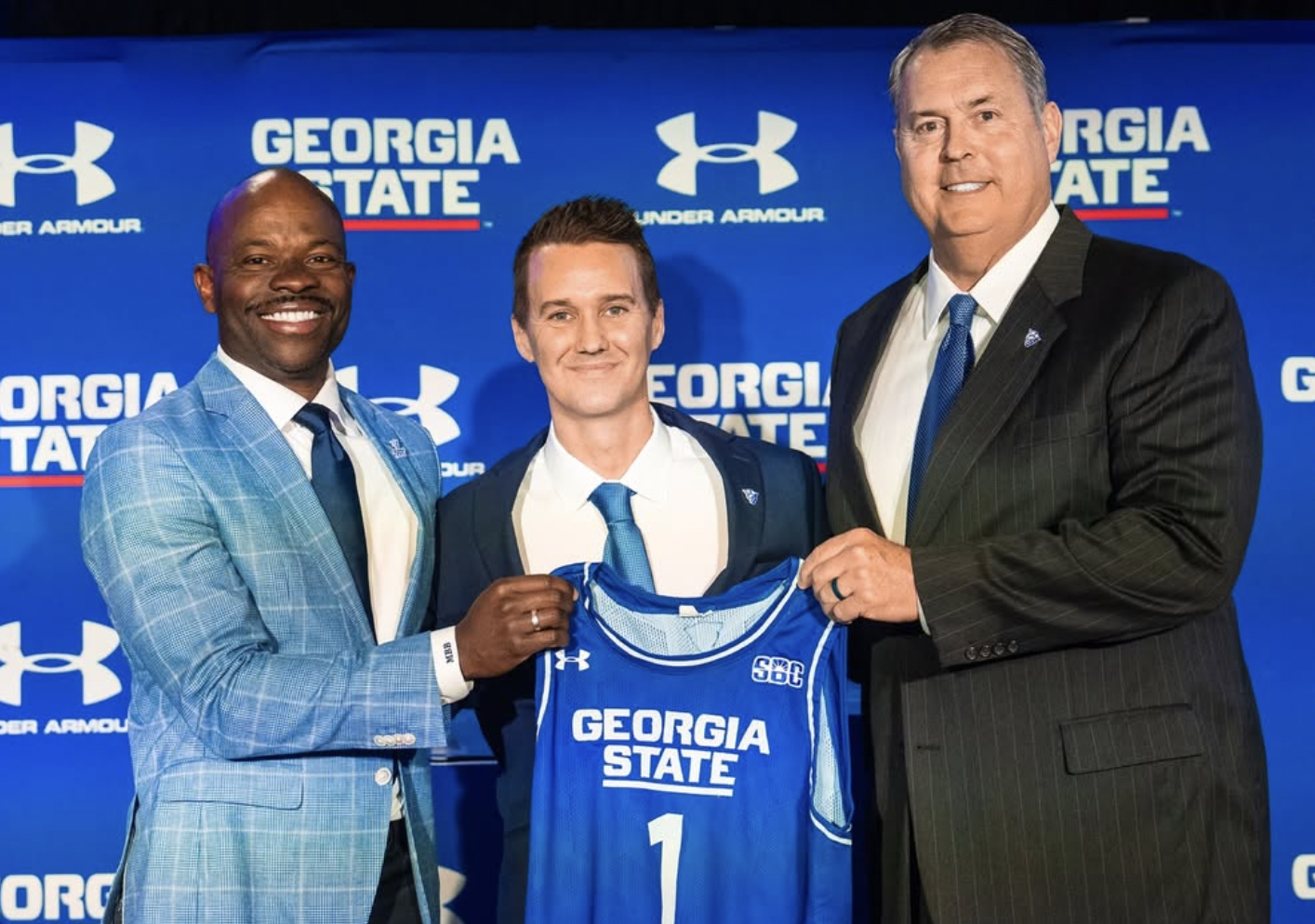
There's still plenty of memories left to make, though, and Cremins knows it. Cremins’ parents, sister, grandparents, and Godparents still live in Atlanta and will watch from up close as he works to bring Georgia State back to Sun Belt prominence after five consecutive losing seasons. It’s an opportunity that he attributes to destiny, and he’s not taking a second of it for granted.
“It’s been surreal,” Cremins said. “I've been here for two months now, and to be honest with you, I'm still driving every day and looking at the skyline, being downtown, walking around, and being like ‘this is incredible, this is a dream. It really is a dream come true.”
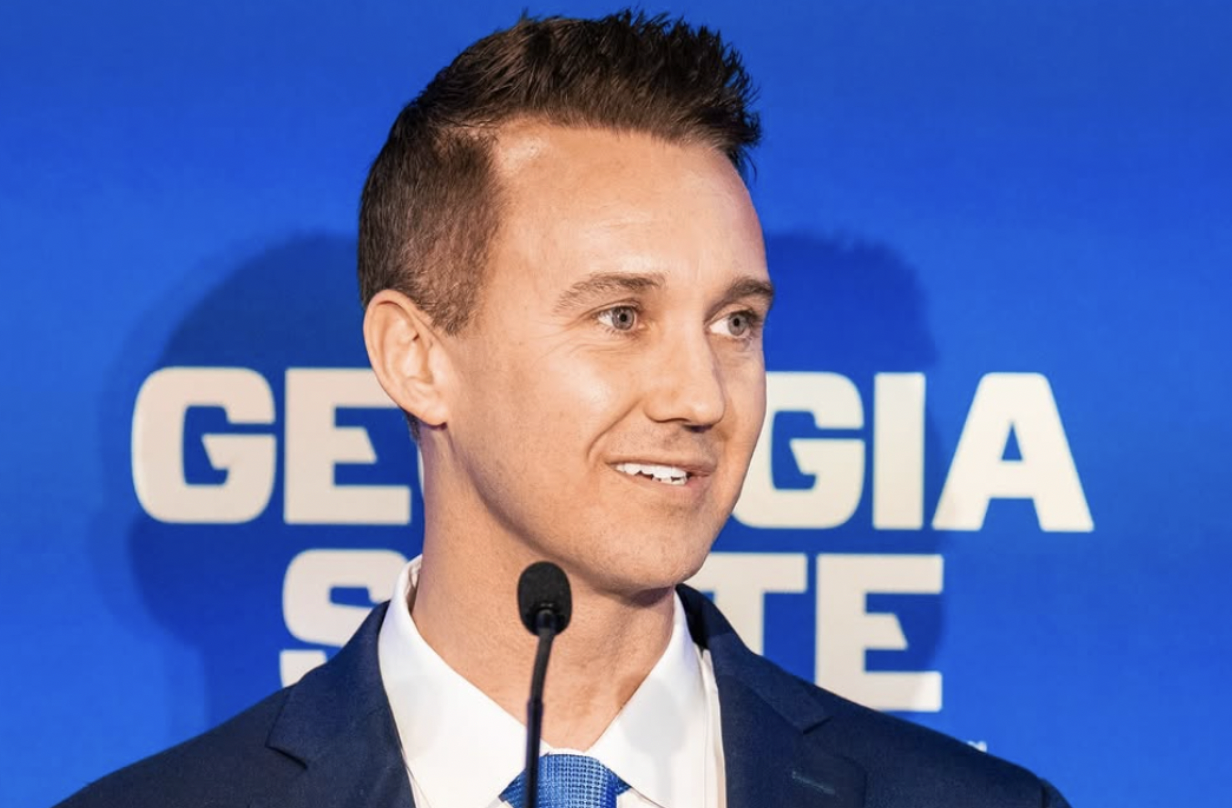
Georgia State assistant Matt Sholtis often stands there next to Cremins and watches the bystander involved have their lightbulb moment. Once the last name sinks in, the question always follows.
“Is that…Are you related to Bobby?” They often ask.
In response, Cremins always tells them that Bobby is his uncle. He’s gotten used to the questions over the years as a result of carrying the last name in the same industry as his uncle, but he likely hadn’t been asked the question as much in the prior two years as much as he has since taking the Georgia State job two months ago.
Sholtis estimates that the community will rally more easily around Cremins’ program because of the family’s gravitas in the area and its connection to the city. At the very least, Atlanta natives will know who Cremins is and what his family is about.
“I think the Cremins name in Atlanta is synonymous with winning and longevity,” Georgia State assistant Vince Martin said. “People are excited about that, and there's a hope. They remember, like, ‘hey, that was fun. That was fun when the Cremins were kind of running the show. I do feel a little bit of, ‘oh, they know what they're doing. They've done it in this city before.’ Outside of Atlanta, I don't know how people feel. I know in Atlanta, being from here, there is some ‘wait a second.’ The Cremins name, it's synonymous with winning and success here.”
Bobby Cremins and his wife have moved to Hilton Head, but he says that he'll be back in Atlanta to watch his nephew lead Georgia State. He says that he tries to leave his nephew alone, but is there to help if need be.
Martin is among those who believe Cremins having ties to the area will give him a head start on getting the Atlanta community back in the stands at Georgia State games like they were in the RJ Hunter days and fundraising at the level that Georgia State will need to in order to find its way towards the top of the league consistently. Cremins' uncle appears to be, as well.
"He knows Atlanta inside and out," Bobby Cremins– who affectionately refers to his nephew as Jonathan--said. "The kid is a tireless recruiter. The game has changed with the NIL and he's going to have to get support there, and then get after it and see what happens. He's excited and I'm excited for him, but it will be a big challenge."
For Cremins, though, the name is more significant than how he can leverage it to get the resources his uncle says he needs. This is more about continuing his uncle's legacy in the way he admires most. Cremins says that the reason he decided early on that coaching was going to be what he did with his life is that, at a young age, his uncle’s players would come up to him to tell him how much his uncle means to them and has impacted their lives.
That always resonated with him and drives his desire to lead Georgia State a certain way. The frame of reference Cremins operates with also allows him to pass off the weight of wins and losses while his uncle watches from the blue plastic chairs above the floor in Atlanta. "I don't feel the pressure of his success," Cremins says in regard to his uncle.
Cremins says he’s not coaching as much to win championships as he is to develop people and impact them in the right way. It’s the same philosophy that his uncle coached with. Cremins says he wants this to be a program of developing people first, before developing players and winning.
His uncle proved that the blueprint Cremins has in mind can work in this city and says that his nephew knows what he's doing; now he’s got a chance to make it work again with that in mind.
“The name resounds,” Vanderbilt coach Mark Byington said. “There are some similarities in both of them. The relationships. They treat people the right way. They’re honest and genuine. That started with Bobby Cremins many years ago; his reputation still carries on there. Jon has done the same thing.”
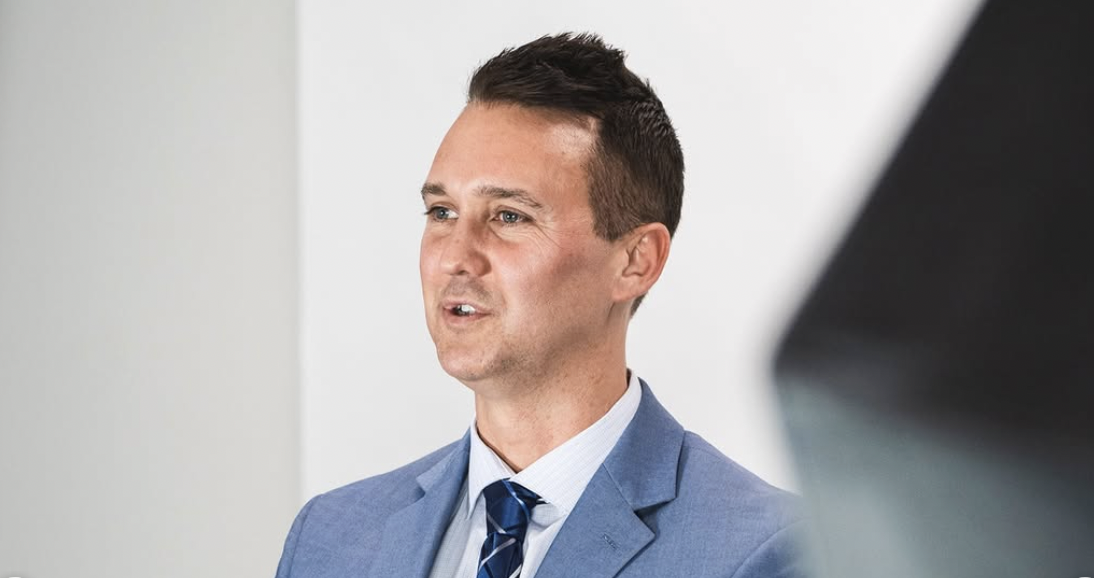
Few opinions hold more weight in Byington’s mind than that of Bobby Cremins, who has mentored Byington since Byington’s early days in the profession. Byington was upset with him, though.
Bobby had just hired Jon as the Director of Basketball Operations at College of Charleston, with what Byington thought at the time was zero experience. Byington was an assistant at Charleston at the time and thought his boss could have broadened his horizons to fill the position. Cremins says he thought his nephew had paid his dues and put in his time by working as a graduate assistant at Valdosta State, and that he didn't consider it an unfair hire, but Byington needed to see more to be convinced.
Byington didn’t dislike Cremins–particularly since they’d interacted before while Cremins was at Valdosta State–but he didn’t like what he perceived to be the principle behind the move.
“Oh gosh, he’s doing a family hire,” Byington says he thought at the time. “‘I’m gonna have to help the guy do his job and his job for him.’ That was the first thing I thought when he got hired. And, it was very similar. He did not know what he was doing.”
Byington didn’t imagine it then, but he would end up aligning himself with Cremins at every stop of his career from that day on. Almost immediately, Byington noticed that Cremins learned his role quickly and became close with the players on the roster. He noticed that he was wrong about him.
For the last seven years, Byington says that Cremins brought those same traits to their staffs at Vanderbilt, James Madison, Georgia Southern, and in Byington’s time as the interim head coach at Charleston, when he became the first coach to promote Cremins to a traditional Division I assistant job and decided that he’d take Cremins with him whenever he got his first Division I head coaching job.
Byington says that Cremins has been a “huge part” of what Vanderbilt and James Madison have done since getting rolling a few seasons ago and has had a front-row seat in regard to how to rebuild programs. As a result, he believes that Cremins has a chance to do the same thing at Georgia State.
“He’s been ready for the moment for a couple of years,” Byington said. “Any time he’s bumped up into different roles–whether it’s Director of Operations, to Assistant Coach, to different levels, he’s been successful–so this is kind of the next evolution of it.”
Byington still would have believed in Cremins if he’d gotten a job a few years ago, but he believes that he benefited significantly from the two years he spent on staff at Vanderbilt. For the first time, Cremins was a part of a staff that was on national television nearly every night, recruited against the most high-profile programs in the country, dealt with real pressure to win, and managed a player compensation budget that was competitive with the top of the sport.
Cremins is convinced that his two years at Vanderbilt were formative, enough that he declared in his first few days on the job that he planned to run the program “exactly” like Byington does at Vanderbilt. Byington has told Cremins to be himself, but also commends him for doing what he’s familiar with.
 Joey Dwyer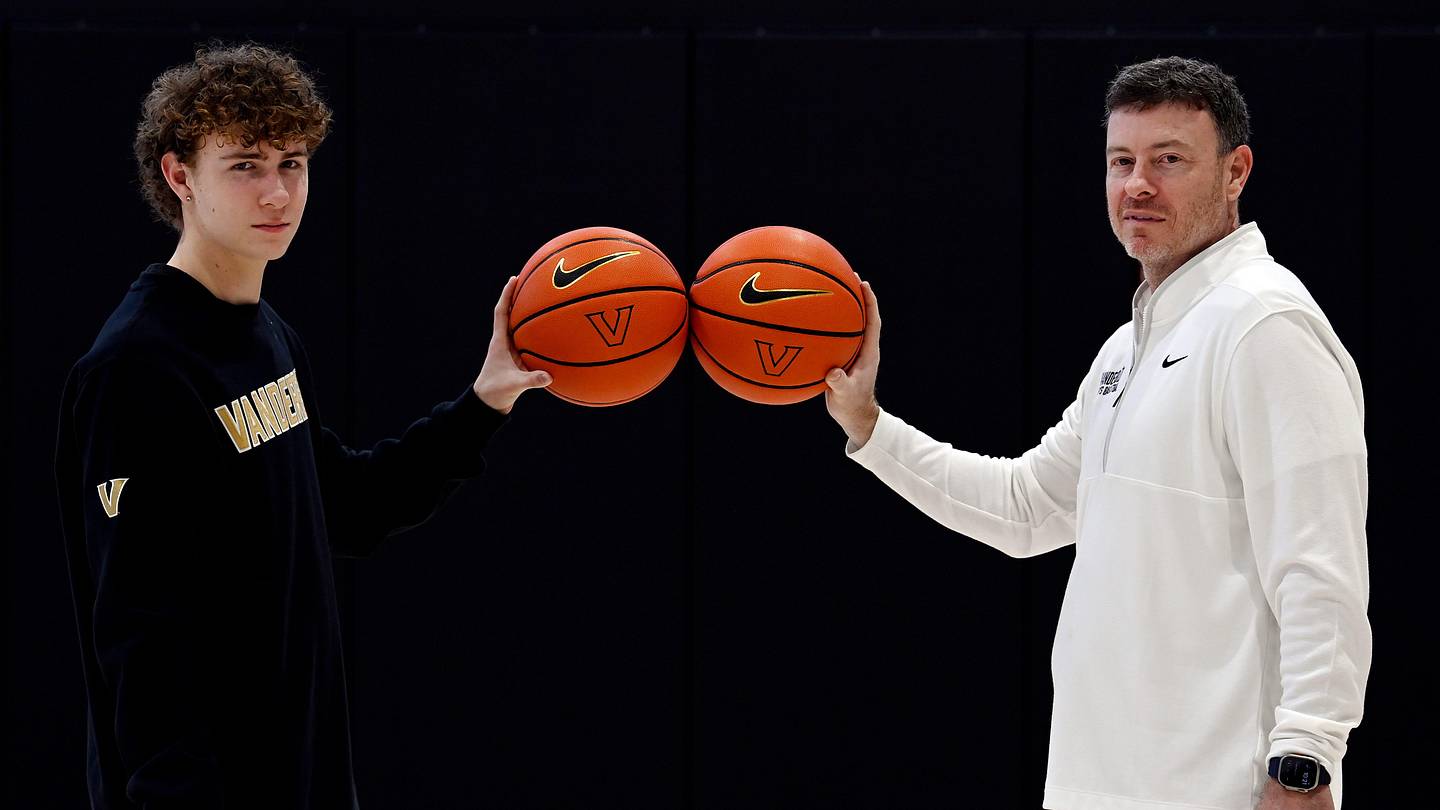
Perhaps the best indicator that Cremins still has his Vanderbilt roots in mind is his staff, which includes former Vanderbilt grad assistants Adam Simmons, Charlie DiPasqua, and Sholtis, who was Vanderbilt’s Director of Basketball Operations in the early days of Byington’s tenure.
Cremins estimates that he’ll do a number of things similarly to Byington offensively–particularly by playing position-less basketball–defensively, in terms of player identification, terminology-wise, and will put a premium on player development in the same way Vanderbilt did. His staff also sees parallels to Byington’s program, noting that both are city schools that plan to use their dense areas to their advantage. Cremins saw how Byington did it, now he plans to do it himself.
“I’ve been blessed to work with the best coach in all of college basketball,” Cremins said. “I've kind of been part of the blueprint of seeing how to run a successful program with coach. I was part of it. And now, I have the opportunity to run it myself. But I've been blessed to work with him. The way our guys represent the community, the university, the men's basketball program, that's how I want my program to be. I'm blessed to be able to do that here, and I'm blessed that I was able to work with him and be able to showcase that.”
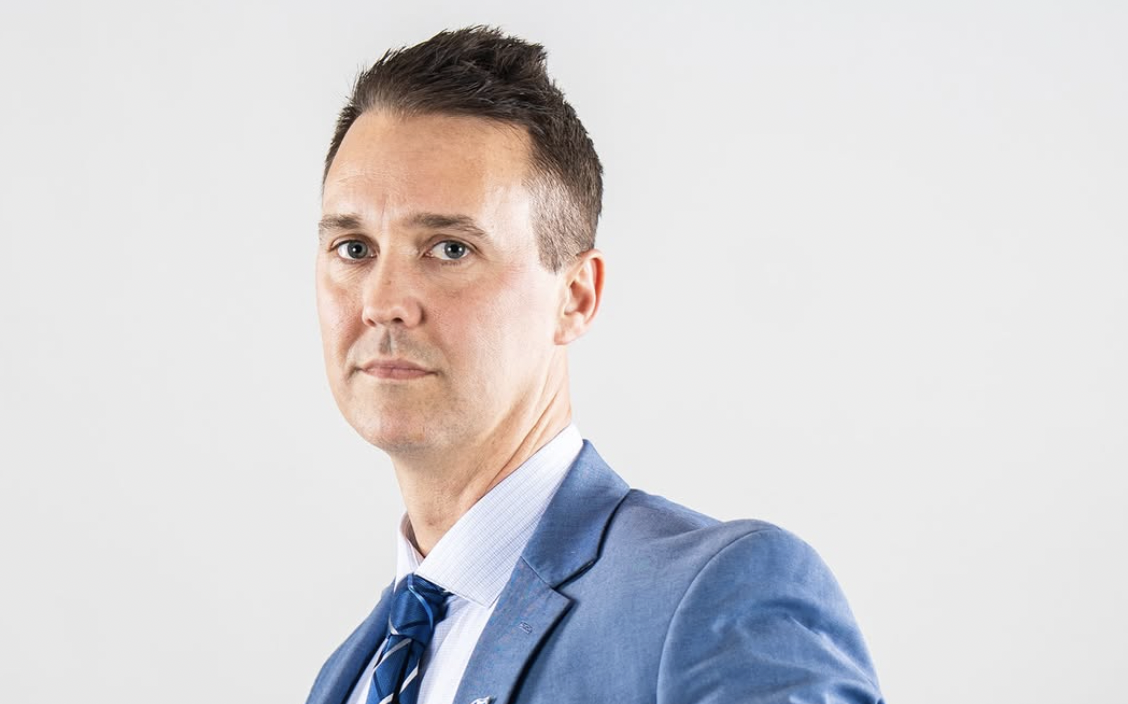
Within the hallways of Georgia State’s basketball facility, former Vanderbilt guard Jason Edwards is pacing around, looking to check one more thing off his list before heading home after a workout. He’s got to find Cremins.
Edwards didn’t need anything in particular from Cremins, but his presence in the Georgia State facility and his search for his former assistant coach were indicative of Cremins walking the talk. After the 2025-26 season, Edwards and Vanderbilt couldn’t agree on terms that would get him back to Nashville for another season. Edwards went to Providence, and Vanderbilt went its separate way, but Edwards and Cremins still care about each other.
Since Cremins took the Georgia State job, former Vanderbilt players Devin McGlockton and Coleson Messer have also been inside the Georgia State basketball facility to work out. Cremins also welcomed former James Madison guard Terrance Edwards and his young son to the facility during his introductory press conference.
“He’s an unbelievable relationship person,” Sholtis said. “That's why he's going to be a great head coach, because he knows how people tick and he gives guys so much confidence. It’s kind of infectious.”
Byington refers to Cremins’ ability to build relationships as a valuable piece of Cremins’ contributions to Vanderbilt’s build as Byington’s staff led it to the NCAA Tournament in each of its first two seasons at the helm. The relationships with players stand out, Byington says, and Cremins’ ability to connect with helpful people on campus also aided Vanderbilt’s staff.
Cremins recalls his relational ability being needed in every job he’s had, which dates back to his days as a GA at Valdosta State–where he jokes that he was above laundry, but wasn’t above driving players around. Cremins says the drives were–and still are–fulfilling because they platform him to have conversations that allow him to see his players grow.
“They kind of start off as like all of us at a young age, all of us are a little immature,” Cremins said, “And then what everyone needs is the right mentor, the right person and believes in them, the right person who pushes them, the right person that's there for them every day. And so I think that when you're in those types of roles, you're with them daily and you can really help them grow and you can really see them growing as a person.”
Cremins lights up at the thought of his program being considered person-first and developmental rather than transactional. In that way, he says the quiet part out loud; the moments like Edwards showing up to the press conference or Edwards searching for him in the hallway are the ones that drive him to keep going.
The rain was coming down with reckless abandon and wasn’t showing any signs of stopping when a leak in the gym at Spartanburg Methodist College threatened to ruin Cremins’ head coaching debut. Luckily for Cremins, he had a few buckets to contain the rain. In the moments following that solution, Cremins was approached by the school’s athletic director two hours prior to tipoff, who wanted to see if he had a plan for the national anthem singer.
Spoiler alert: he didn’t.
When the game started, Cremins estimates his team turned the ball over 28 times but found a way to win by six points. Cremins congratulated the team on the win and found his dad, who hit him with a jarring question when the game was over.
“Do you know what you’re doing?” he asked.
“I’m not sure,” Cremins replied.
Cremins was scrambling that night and would have to learn on the fly as a first-time head coach. He learned that season that no matter how ready you think you are, you likely aren’t prepared to be a head coach until you’ve actually done it. Cremins ended his two-year stint as a junior college head coach with a 55-11 record and two Coach of the Year awards in the region.
He felt it was time to get back to Division I basketball, though, and went to work for Byington again. After James Madison got rolling with Byington at the helm and Cremins alongside him, Cremins felt as if he was ready to be a Division-I head coach for the first time. He interviewed for the James Madison job, but didn’t get it. That was the case with a number of other mid-major jobs throughout the last few cycles.
Now, he can see that things worked out the way they were supposed to. Byington says as much, and so does Cremins.
“Sometimes what you think is best is not what’s best,” Cremins said. “I’m truly 100% that this is the right job for me. I’m blessed to be here. I’m truly thankful every day that I’m the head coach at Georgia State. It’s surreal. This still feels like a dream. I'm so blessed to be here and be back home and be able to coach at Georgia State, and it's an incredible place. It just has so much to offer, so much to give to the community. And I can't wait to get this basketball program to where it needs to be.”
