


NASHVILLE—Bart Brooks is rather unassuming, standing on the outskirts of Belmont’s preseason tip-off luncheon, his friendly nature preceding him. But Brooks’ public-facing demeanor doesn’t entirely do him justice.
Brooks is among women’s college basketball’s most fearless coaches. It doesn’t appear there’s a Power Five program he won’t schedule. He’ll play seemingly anyone who wants to play, wherever they want to. His 2026-27 schedule is evidence of that.
Belmont opened the season at mid-major powerhouse Princeton, hosts Tennessee–which he said he’d been trying to get in Curb Event Center for 10 years before he finally landed the game this offseason– on Tuesday night, hosts Dayton, travels to No. 9 LSU, plays Iowa State and Marquette in Baha Mar and faces No. 8 Vanderbilt before entering Missouri Valley play.
“Bart brings his competitive drive and winning habits to the scheduling process,” ESPN analyst Debbi Antonelli told Basket Under Review. “He gives his team the best chance at winning the regular season in the Valley by putting together a challenging non-conference slate of games. I've seen his scheduling process firsthand. Year over year, Coach Brooks "schedules up" to better prepare his team for conference play. I've seen his strategy of challenging his team early to show players what it takes to win a championship.”
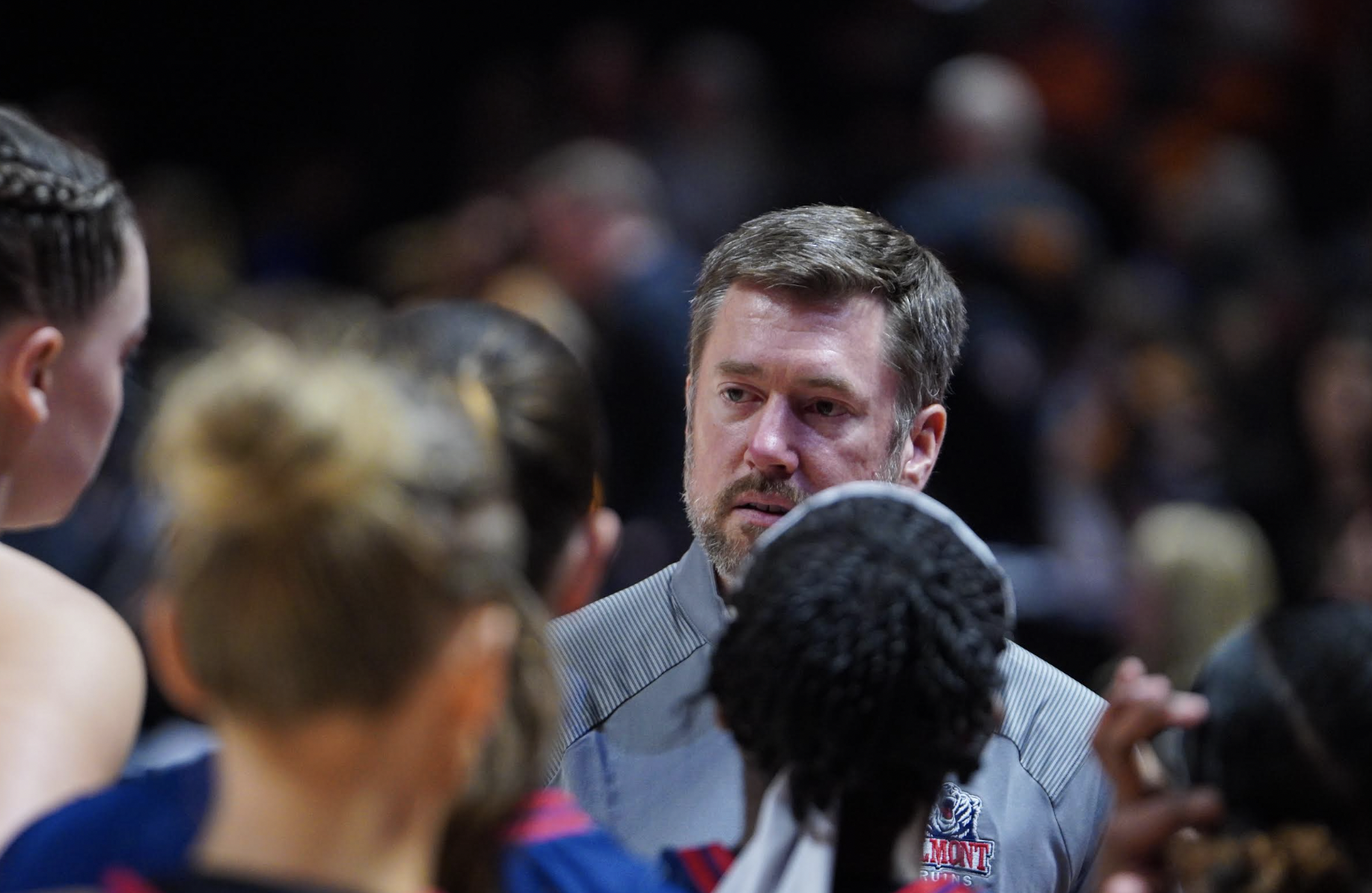
While Brooks would probably like to parade around declaring that this was all a result of his tendency not to back down from anyone, he acknowledges that his scheduling philosophy points to the NCAA Tournament. He believes Belmont has a choice: say it’s stuck in a one-bid league and render everything besides Arch Madness meaningless in terms of its NCAA Tournament hopes, or put its chips in on making it a two-bid league.
Brooks has chosen the latter.
He acknowledges that there’s no margin for error for his team considering the NCAA Tournament selection standards and that non-conference play is miserable for him, miserable enough that he doesn’t sleep much in those two months. He’s aware that it’s not easy on his players, either. But he’d rather go down fighting than say that he didn’t give his team a chance at all.
“If you don’t beat at-large teams in your non-conference schedule, you’re never going to be an at-large team,” Brooks said. “If you don’t schedule enough of them, you don’t give yourself enough opportunities. For us, if we go 0-12, we’re still going to have to win our conference tournament to be an NCAA Tournament team, but we’re giving ourselves as many opportunities [as we can] to get resume wins.”
As Brooks has built Belmont, though, he’s learned that building a schedule like that is generally easier said than done. He estimates it’s significantly easier for an upper-tier mid-major program to get games with Power Five programs on the women’s side than on the men’s side because of differences in NCAA Tournament selection and coaches' willingness to play at mid-majors, but he says “rejection is real.”
Brooks’ five conference regular season championships, four conference tournament titles, and four NCAA Tournament berths since taking the Belmont job in 2017 almost certainly make things more challenging. He also has to manage the schedule well enough that his team isn’t demoralized by the time it gets to league play. That doesn’t appear to have been much of an issue previously, though.
Belmont played five Power Five games–against Tennessee, Kentucky, Duke, Oklahoma and Ohio State–a year ago and finished the season with 20 wins. It won 26 games the year prior, scheduling Kansas State, Wichita State, Ohio State, Duke, Michigan, Mississippi State, and Kentucky. In 2023-24, it also won 26 games with Missouri, Georgia, Wichita State, Mississippi State, Stanford, Northwestern and Ohio State on the schedule. The year prior, it won 23 with Louisville, Iowa, Villanova, Georgia Tech–twice–Georgia and a few strong mid-majors on the schedule.
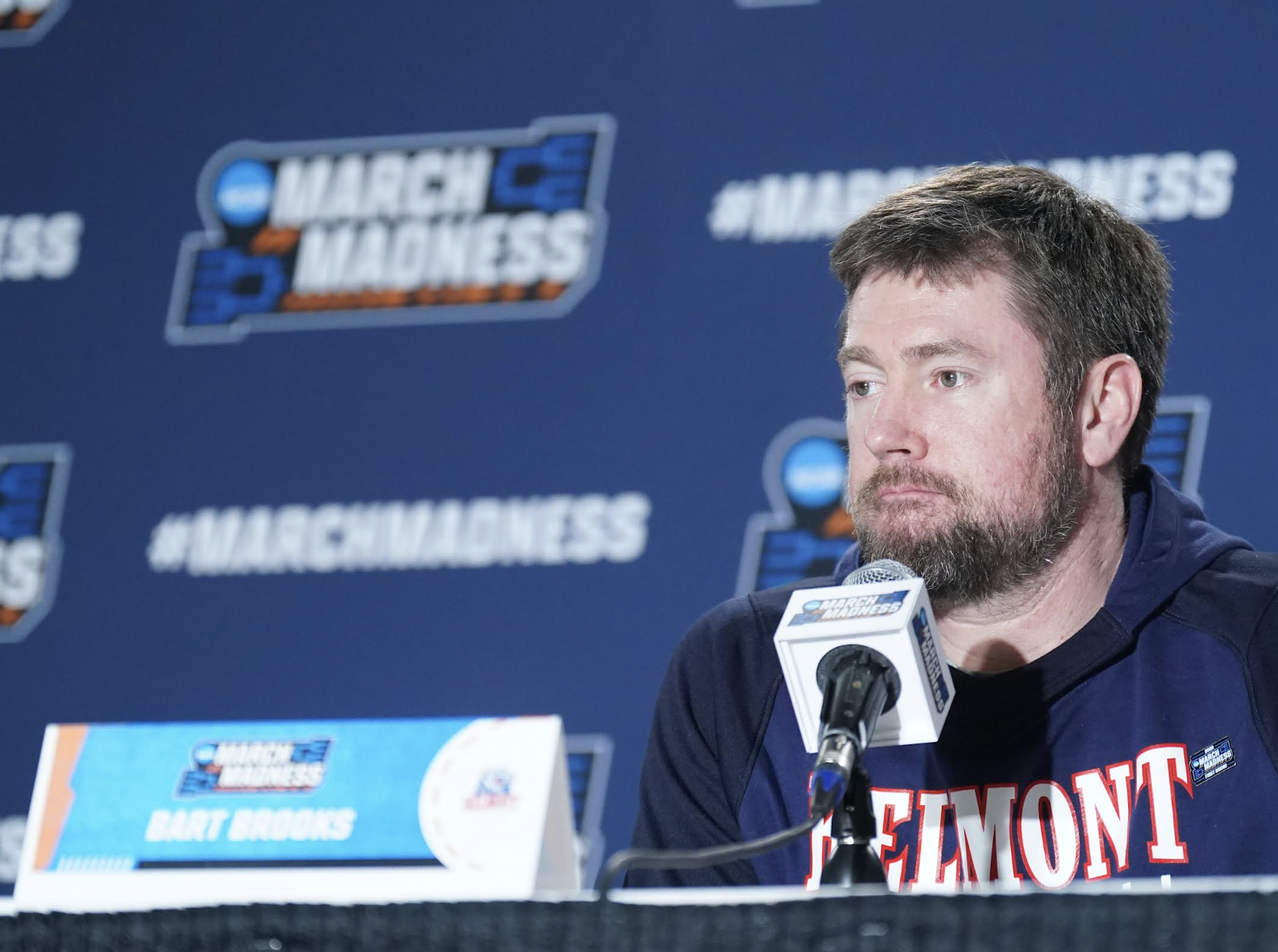
Brooks’ 73.2% winning percentage ranks among the top 20 among active Division I women’s basketball head coaches. No other current Division I head coach with nine seasons or fewer under their belt has won more games than Brooks. He is the only active Division I head coach to have won a conference championship, either regular season or tournament, in each of his first six seasons as a head coach. Brooks has never lost more than five league games in any given season. He’s also the third-fastest coach in NCAA women’s basketball history to reach 100 wins.
Perhaps Brooks's recruiting, with the schedule in mind for a number of years, has something to do with that. The schedule has become enough of a selling point for Brooks and company that he’s been intentional about recruiting players that want to play in games like Belmont plays and believe they can play at that level. He built his program on playing against schools that indicated to his players that they weren’t good enough.
Belmont’s last win against a Power Five team came in 2025, when it beat Villanova, but it’s been in several games with them since and has been within double digits about as much as it’s lost by more than 10. The coaches on Brooks’ schedule appear to have noticed.
“I lose a lot of sleep knowing we are about to play against a Bart Brooks team,” Kentucky coach Kenny Brooks–who says the choice to play Belmont stems from his experience as a mid-major coach, when it was difficult to schedule Power Five programs–said. “I’ve known Bart for years and I have the utmost respect for him as a coach and a human being. Playing against them, we always know it’s going to be a hard-fought game and they will be prepared.”
