


The decision for Bennett Stirtz to follow Ben McCollum from Division-II Northwest Missouri State to Drake after a breakout sophomore season was an “easy” decision, but he admits that the process that ultimately led to him following McCollum to Iowa a year later was far more stressful.
That’s what happens as a result of a season like what Stirtz put together a season ago as the go-to guy on a 31-win Drake team that took down Missouri in an NCAA Tournament game and won the Charleston Classic. By the end of it, the 6-foot-4 guard was named the Missouri Valley Conference Player of the Year and had schools reaching out to him as well as his family during the season. The NBA Draft process also started to “heat up” for Stirtz, which caused him to hire an agent to help him navigate it.
By the time McCollum called, the Iowa head coach says his conversation with his star player reflected Stirtz’ low-maintenance nature more than the commodity that he had become.
“Do you want to go?” McCollum says he asked Stirtz.
“Yeah,” Stirtz replied, per McCollum, “That sounds good.”
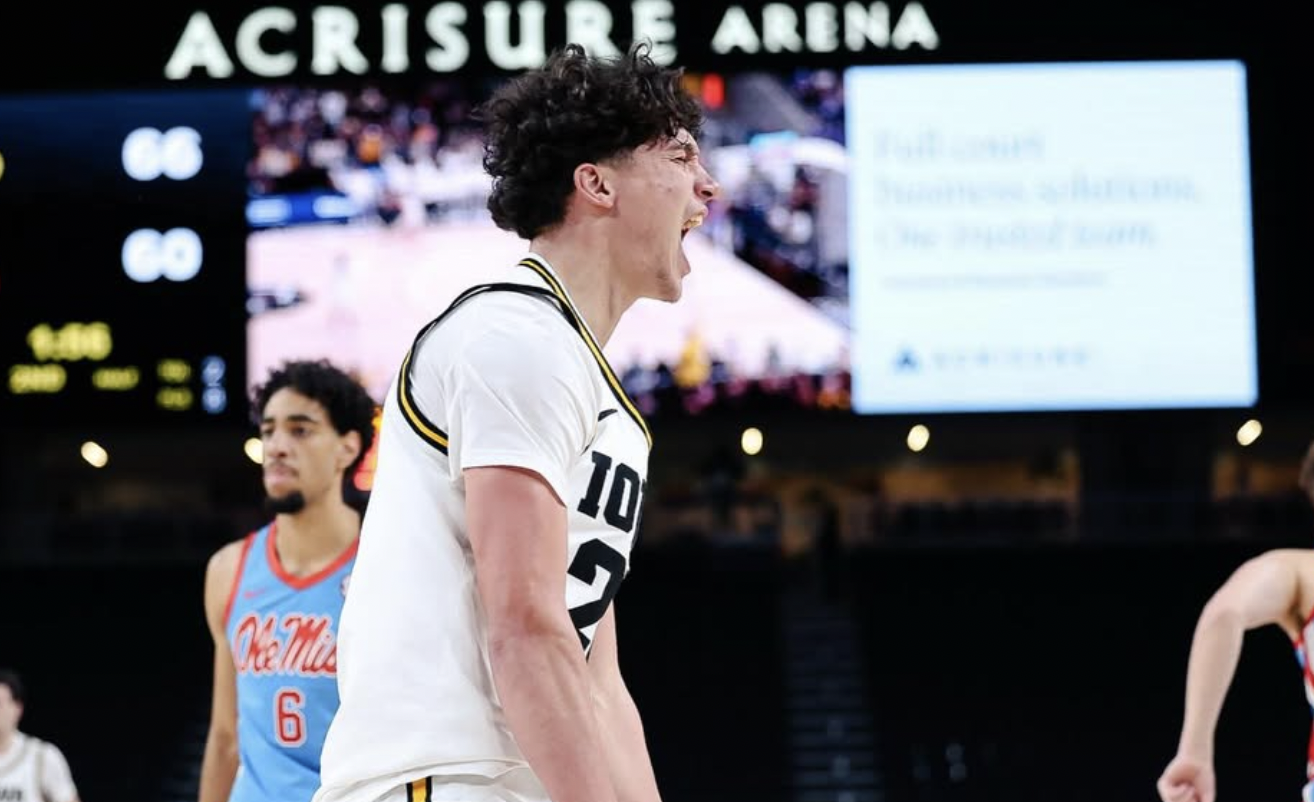
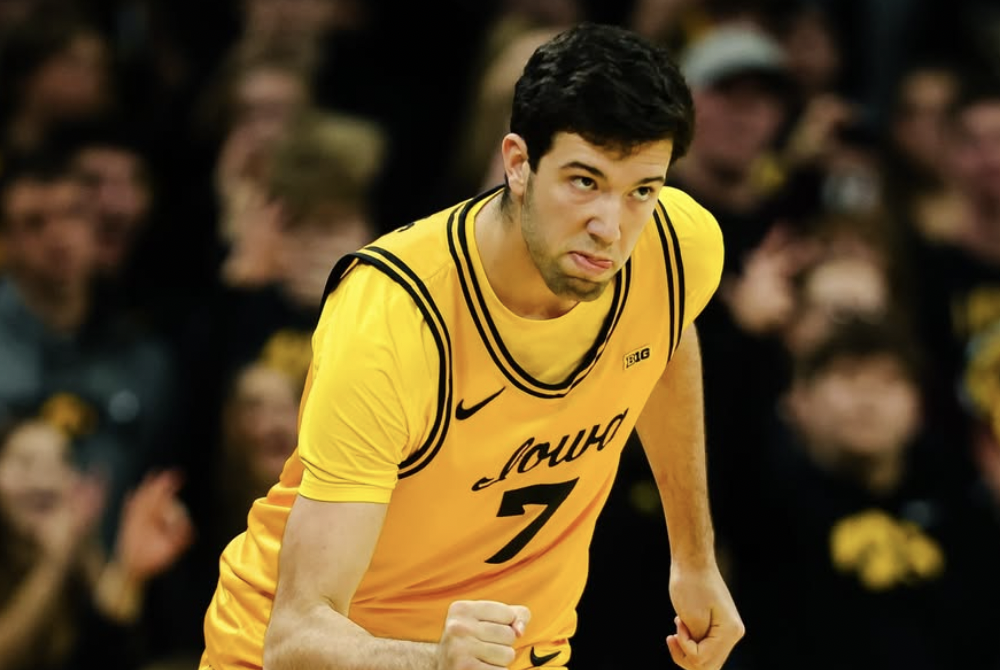
With Stirtz’ decision, McCollum accelerated his build on the back of what Iowa assistant Josh Sash tells Basket Under Review is the college basketball version of a “max player.” If Stirtz isn’t that, he’s at least an All-American contender, a near lock for the BIG 10’s First-Team and gives Iowa a chance to win in any given game. Through Iowa’s 10-2 start–in which it’s knocked off Ole Miss, Xavier and Maryland–he’s been the straw that’s stirred the drink.
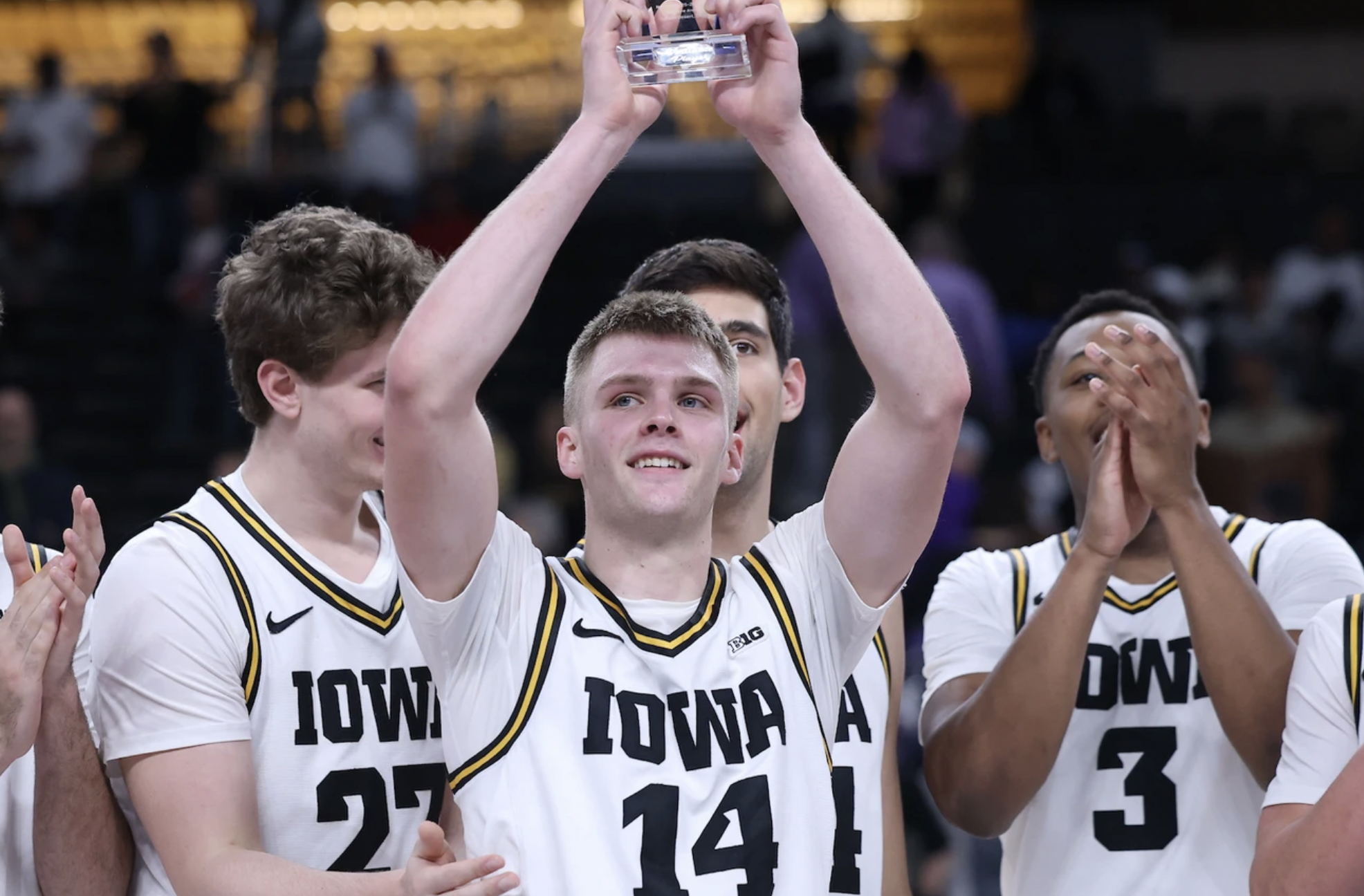
Among a laundry list of tasks and duties that McCollum needed to complete upon taking over the flagship school of his home state and his first power-five job, Stirtz’ re-recruitment was perhaps the most important. The mere idea of asking Iowa’s first-year head coach where landing Stirtz was on his priority list comes across as a softball question.
“It was the first thing we wanted to make sure we got done,” McCollum told Basket Under Review. “Anytime you can build around somebody like that, it’s a big deal.”
Stirtz likely could’ve gone anywhere in the country and been the man after a season at Drake in which he went for 19.2 points, 5.7 assists, 4.3 rebounds and 2.1 blocks per game while shooting 49.8% from the field as well as 39.5% from 3-point range. Yet, he chose to follow the staff that gave him a chance in the first place.
It only felt right that in Stirtz’ final run at the college level, he’s playing for McCollum–who recruited him to play at Division-II Northwest Missouri State and gave him an opportunity at the Division-I level for the first time last season. The Iowa guard–who appears to be the consummate underdog–and his journey is everything right about college basketball these days.
“Super grateful,” Stirtz told Basket Under Review. “Honestly I don’t look back too much just because I’m focused on this season and taking it one day at a time, but once my college career is over I’ll be like ‘wow, this is crazy. Crazy journey.’”
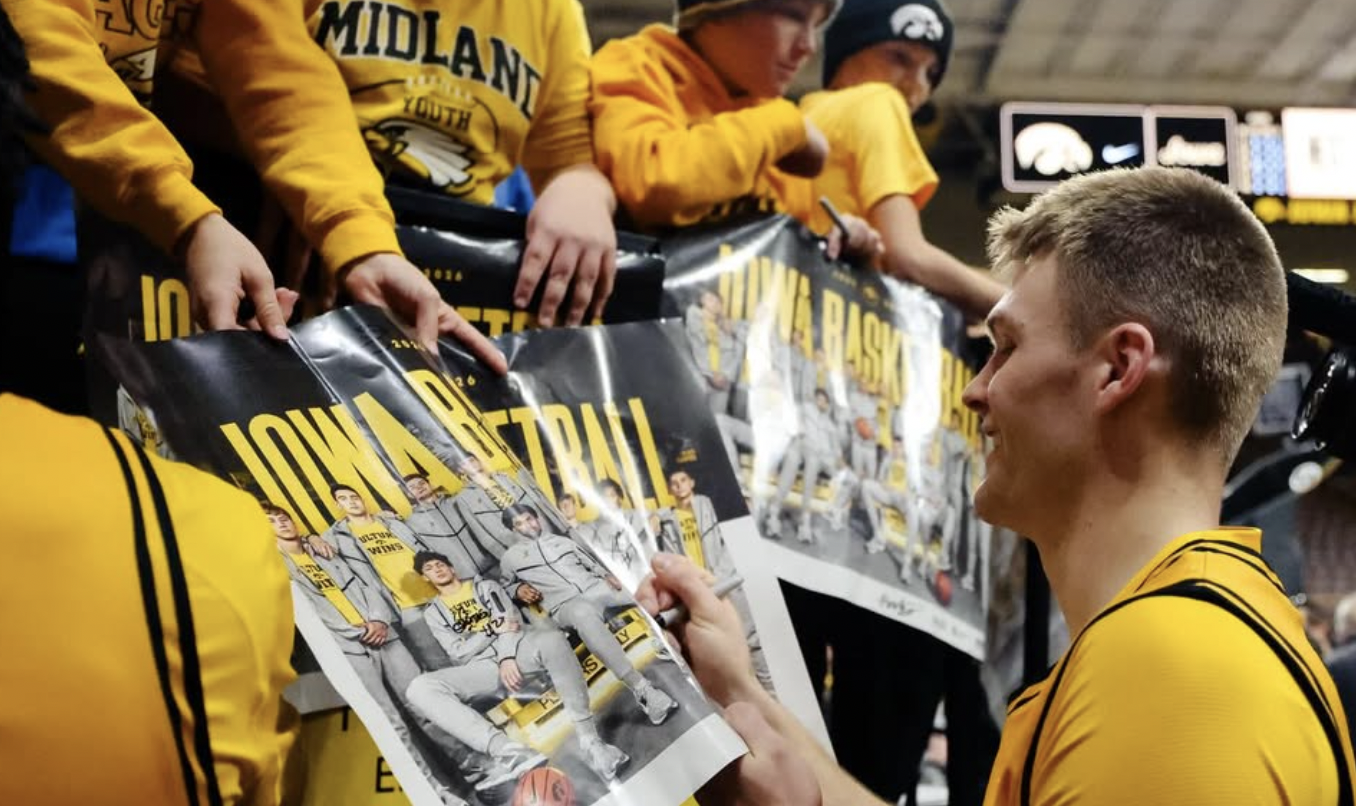
The verbiage around Stirtz that consistently comes from his head coach appears to be intentional as he declares that he’s going to “build around” his star point guard. Each time McCollum steps in front of a microphone or joins a podcast, it appears as if he makes an offhand remark each time that unintentionally plays up the importance of Stirtz.
Perhaps it’s something that conveys that McCollum doesn’t know exactly what he’s got, but he knows that his point guard is “pretty good.” Perhaps it’s an intentional, sarcastic underplay of how big of a deal it was to retain Stirtz while moving jobs or a sarcastic plea to get him another year of eligibility. It’s always been centered around Stirtz, though. So has this team.
“Bennett is your mainstay and your best player,” Iowa assistant Luke Barnwell said. “The talent is obvious. The success is obvious.”
McCollum’s idea to openly build around a transcendent player like Stirtz is an intentional veer off the college basketball path that has seen coaches consistently look to acquire the five most talented players they can and figure out the rest later. Iowa’s coaching staff has built their roster intentionally in that they envision how each of their players fits in alongside their other personnel and within their patient, plodding offense that ranks No. 357 in the country in tempo.
Stirtz's role within that offense is clear. He’s going to be the primary scorer. He’s going to be the primary facilitator. His handle, shotmaking ability and body control will be on display for all 40 minutes in Iowa’s most important games. McCollum and staff are going to rely on his understanding of ball-screen angling and his basketball acumen every time down the floor. There’s no power struggle within McCollum’s team. This is clearly centered around Stirtz in some way.
“I think that’s the best way to win basketball games, to win championships. You have to have real role definition,” McCollum said. “It doesn’t necessarily mean that the guy you would build around to a certain level to a certain level is going to be your leading scorer or whatever it may be, it just means that creates the gravity. Once you create the gravity, then everybody else needs to be in what their natural role is.”
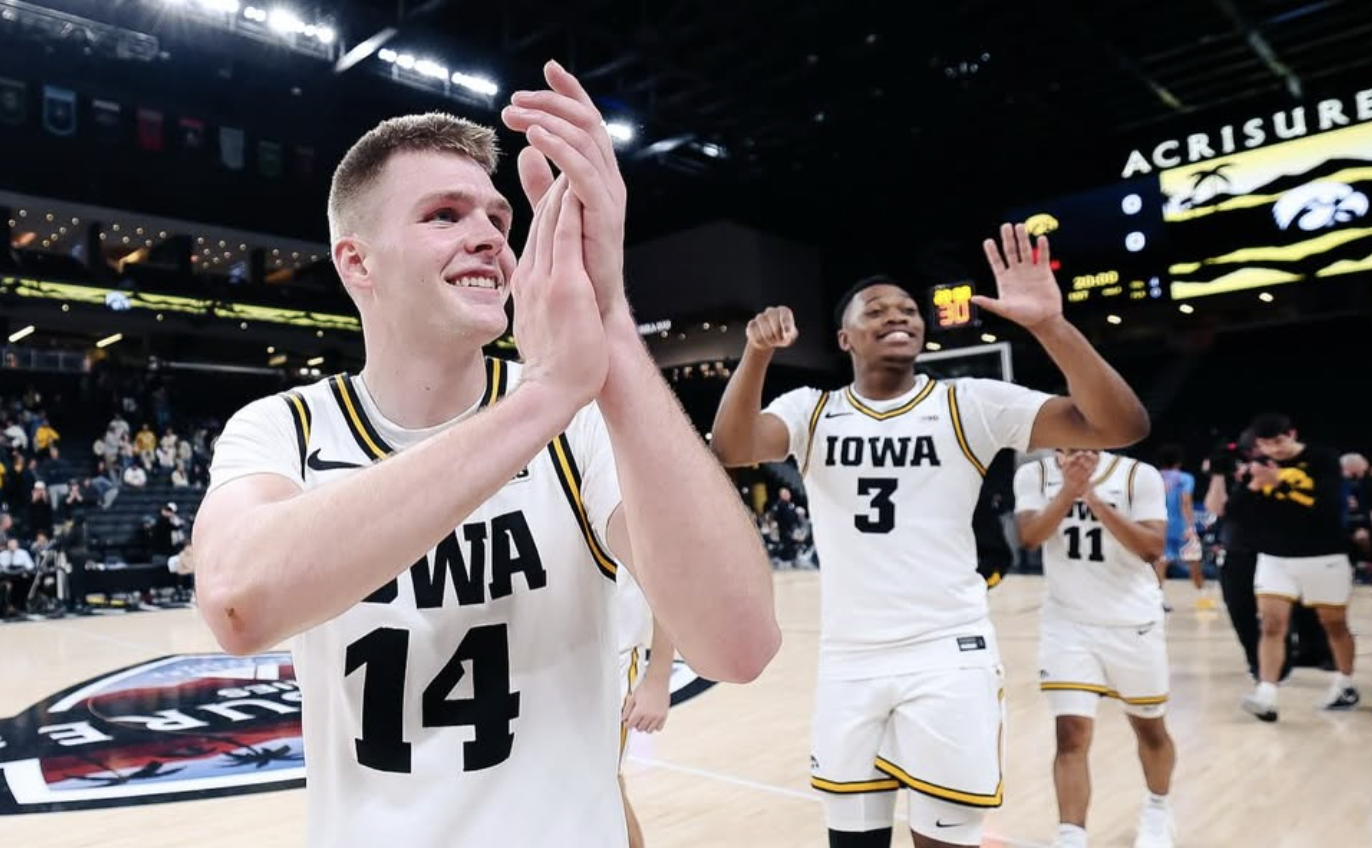
Sash says the complete intent when building the roster wasn’t necessarily to “build it all around Bennett,” but that if Stirtz stayed in the portal rather than coming straight to Iowa he would’ve been a “top five” player in the portal. What the Iowa assistant will agree with is the idea that Iowa likely wouldn’t be able to land another “max-level” player like Stirtz and that the intention of his staff was to put together a roster that would allow them to maximize the year they had with the elite guard.
The Iowa assistant says that when he was on McCollum’s staff at Drake and Iowa wasn’t in the picture, the program worked to do its “due diligence” from an NIL standpoint to see if they could make it make sense for Stirtz to return to Drake for a second season in Des Moines. In the end, Sash suspects that Stirtz was more attracted to the relationships that he already had with McCollum and his staff than the glitz and glamor that other programs sold him. As a result, Iowa had what the assistant coach calls the team’s “cornerstone” in year one of McCollum’s tenure.
“It’s just great having the reins of the offense,” Stirtz said. “I think it’s huge and it’s a big reason why I followed [McCollum] here, turned down a lot of options and just trusted the type of man he is. X’s and O’s wise, he’s obviously great. So it was a great decision.”
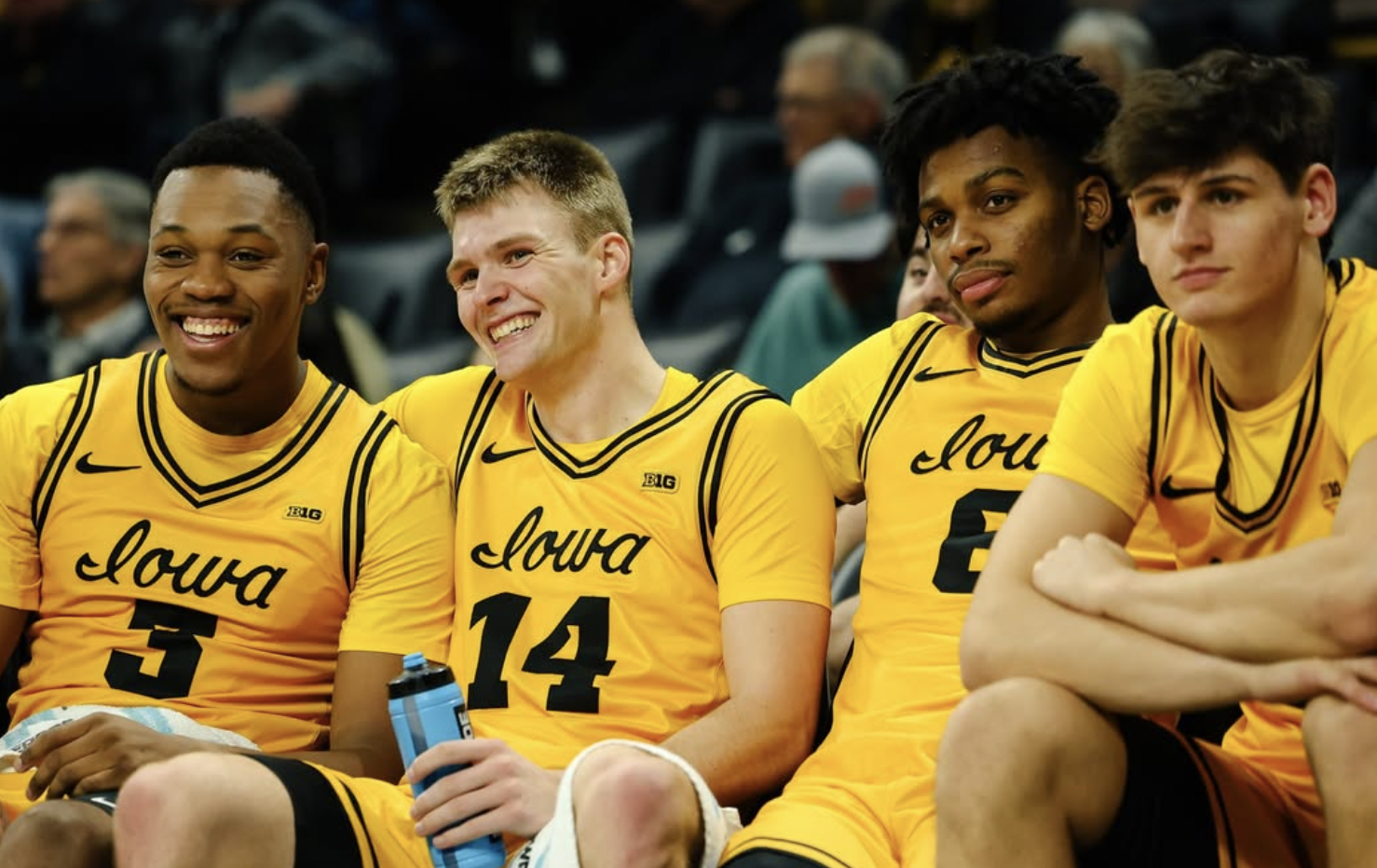
McCollum says it was a no brainer, but he knew what was coming. When the now-Iowa coach brought his core of go-to guys from Northwest Missouri State to Drake, he got his fair share of pushback. Even after Drake had proven itself with a 12-0 start to the season, the nickname “D-II Drake” and the narrative that the root of McCollum’s team would cause regression to the mean continued to be pushed.
The narratives McCollum encountered didn’t change the way he viewed things, though. He says that he and his staff don’t pay attention to those things. After his core of former Division-II players exceeded even his own expectations and lost four games–including a round of 32 loss to Texas Tech–he felt comfortable doubling down on his philosophy.
Bringing in Stirtz was the first step to McCollum’s build, but the second step was seemingly just as clear. After looking at how each member of his team played against power-five opponents–which included games in which Drake won over Vanderbilt, Kansas State and Miami in addition to its NCAA Tournament win–McCollum brought five additional players from Drake in addition to Stirtz.
“There’s a cultural component to it where in your first year you want to make sure that you establish the way people are supposed to act in your program and the best way to do that is with examples,” McCollum said. “If you bring those examples with you and they teach those other guys how to act and how to work, that speeds up the learning process exponentially. That probably is the biggest reason for bringing those guys.”
On an individual level, McCollum was drawn to bringing 6-foot-9 Cam Manyawu–who leads the team in rebounds–because he’s an “elite ball getter” that “gets 50/50 balls, gets defensive and offensive rebounds, can finish at the rim and can guard multiple positions.” Tavion Banks–a 6-foot-7 guard that’s the team’s second-leading scorer–was brought because of his ability to shift to the three and his ability to “move out and shoot.” 6-foot-4 guard Kael Combs–who McCollum says has stepped into the secondary playmaker role that they intended to fill in the transfer portal–had appeal because McCollum and staff “felt like he could playmake at this level and defend other teams’ point guards.
Sophomore guard Isaia Howard–who averages 7.0 points per game in just under 20 minutes a night–is a piece that McCollum thinks “can be an eventual starter in the BIG 10” and is capable of outings like the 21-point explosion that he went for in the MVC tournament last season. 6-foot-9 big man Joey Matteoni redshirted last season at Drake, but was a worthwhile addition in McCollum’s eyes because “anytime you can get size, especially size that can decision make, you always want to take it.”
Perhaps bigger than all, each of the pieces McCollum moved from Des Moines to Iowa City knows exactly what they have to do to make this a winner.
“Guys have definitely stepped up,” Stirtz said. “You can tell they’ve had another year under their belt in Mac’s system. But, it’s pretty much the same types of roles they have. They’re just playing a lot more and have more of a spotlight on them.”
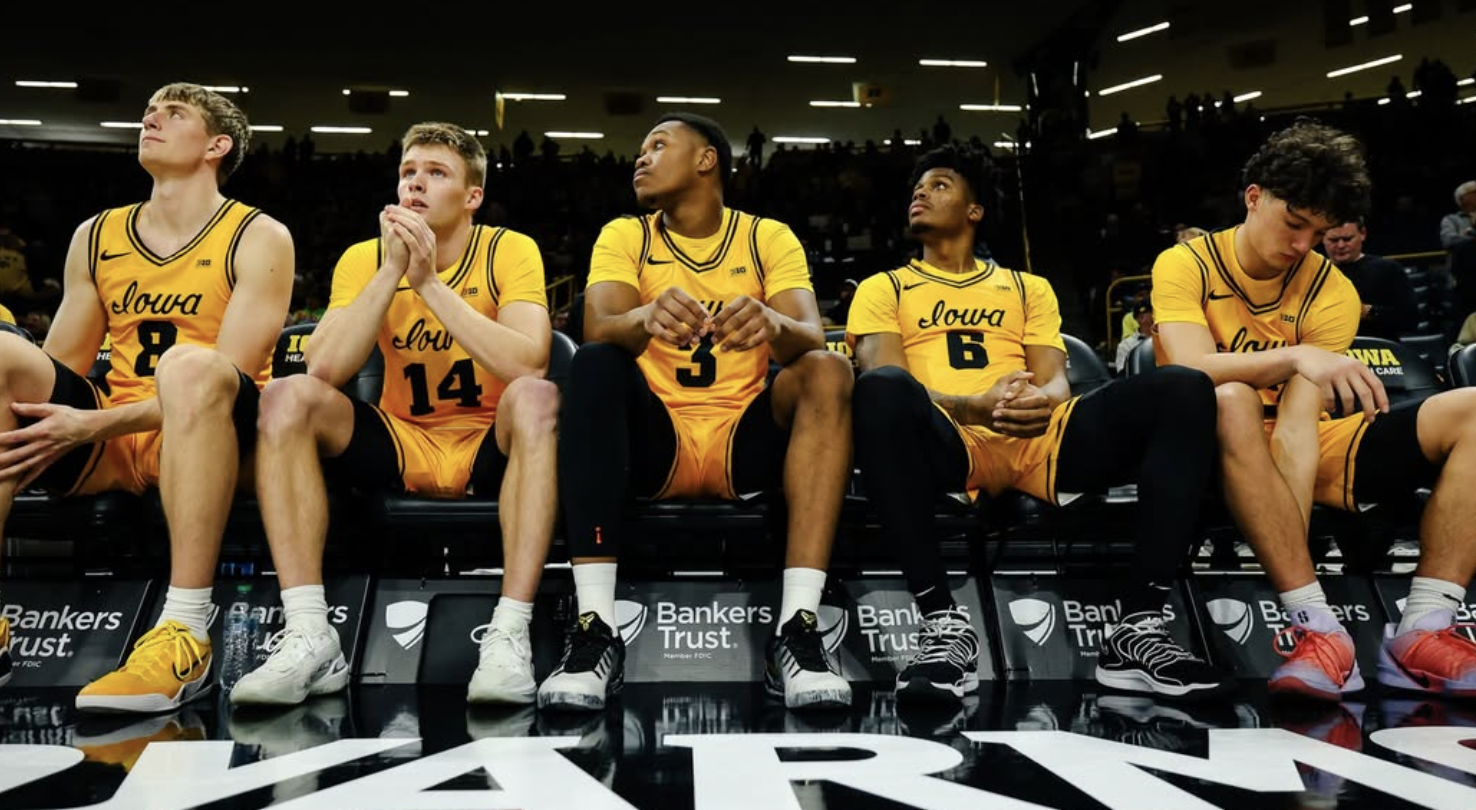
As Iowa looks to find its way to the NCAA Tournament in McCollum’s first season at the helm, it’s working to do so with five players from McCollum’s Drake team in the eight-man rotation–of players that play 15 or more minutes per game–and four in its usual starting lineup.
The lack of collective power-five offers McCollum’s team had out of high school and abundance of players that haven’t played at this level could indicate a gap in roster building. That doesn’t appear to be the case, though. If McCollum’s group of Division-II stars exceeding their Division-II win total at a Division-I school last season indicates anything, it’s that.
“Drake is in the Big Ten blueprint, and so those guys know what it is,” Michigan State coach Tom Izzo said in regard to a question that asserted that Iowa’s lack of BIG 10 experience would hurt it. “That team won five overtime games last year. Five. So that tells you that they're well-coached and that you've got a guard to go to.”
McCollum and company knew that as good as that Drake team was–on paper one of the best mid major teams in the last decade–it had flaws that would limit it if it were playing in the BIG 10.
The “first thing” that McCollum had pinpointed as a want was a secondary playmaker to take some of the heat off of Stirtz, although he admits that “I don’t know that we totally got that.”
Next on the checklist was shooting, which Stirtz indicates wasn’t prevalent on the 2024-25 Drake roster–and he’s right, only three players took more than 50 attempts from beyond the arc. Pair that statistic with Drake’s best shooter Mitch Mascari as well as Daniel Abreu–who was its second-best shooter outside of Stirtz–graduating and there was a major need. McCollum says the objective was to find enough shooting to be able to space the floor so that its guards could put more pressure on the rim. He wanted the players in which he recruited to improve the team’s shooting to have a certain level of length so that he knew they were capable of defending “at a high level” in the BIG 10.
As McCollum, Sash and the rest of the incoming Iowa staff examined the Hawkeyes’ players from the Fran McCaffery era with remaining eligibility. Sash says there were a “handful” of players that the staff was “fine with” whether they decided to leave or stay, “there were a couple of those guys that we really wanted to stay” and that “there were a couple of those guys we felt like it was probably best for them to look for a new start.”
With the staff’s need for shooting in mind, 6-foot-8 guard Cooper Koch–-whose dad JR Koch also played at Iowa–appeared to be a priority after a freshman season in which the Iowa wing missed all but 10 games due to a medical condition and received a medical redshirt. Koch has made the staff’s bet on his upside pay off with 50.0% 3-point shooting through the early part of the season, an effective field goal percentage that ranks eighth in the country and a true shooting percentage that ranks ninth.
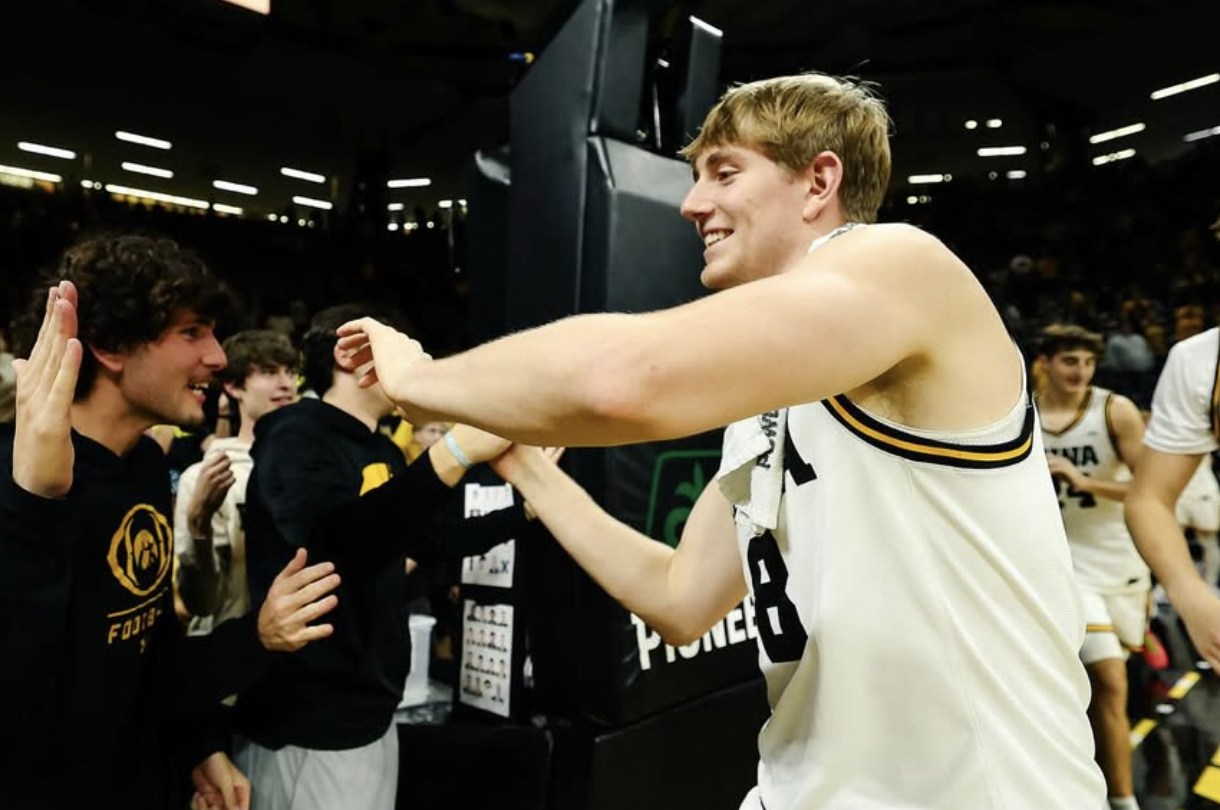
“For us to have a guy that’s 6-foot-8, 220 pounds that can really shoot the ball,” Sash said, “For us to have four years with him, we were super excited about having that opportunity.”
McCollum and company also added former Villanova and Kansas State guard Brendan Hausen–a career 39.6% shooter from 3-point range–with the idea that he would add spacing and could become one of the team’s leaders. In addition to Koch and Hausen, Iowa also added 6-foot-7 freshman sharpshooter Tate Sage—who the staff felt was “under-recruited” when he committed to them at Drake and trusted their evaluation on as they opted to bring him to the BIG 10. Sage is off to a start in which he’s averaging 6.7 points per game while shooting 40.0% from 3-point range.
Iowa’s bet on improving its shooting has paid off as its offense is 28th in the country in offensive efficiency and 16th in the nation in 3-point percentage behind six qualified shooters that are making over 40% of their looks.
The idea of a “true five” was as appealing to McCollum as anyone–particularly as he entered a grinder of a BIG 10–but he knew quickly that he had to look for something else instead.
“We didn’t have five million dollars laying around,” McCollum jokes.
Perhaps the market value of big men across the sport didn’t allow for McCollum to land a go-to low-post threat, but it was clear to him that he still had to address the front court in order to compete in the BIG 10 in year one. McCollum’s experience at Northwest Missouri State and Drake had shown him that bigs who can process, dribble, pass and shoot could be successful in his offense even if they weren’t as physically imposing as some that they faced.
Barnwell says Iowa calls that blueprint of big man a “trigger” or a “hybrid” that “can do a little bit of everything. When Barnwell and staff thought through how they would build this thing, a player like he described appeared to be the answer.
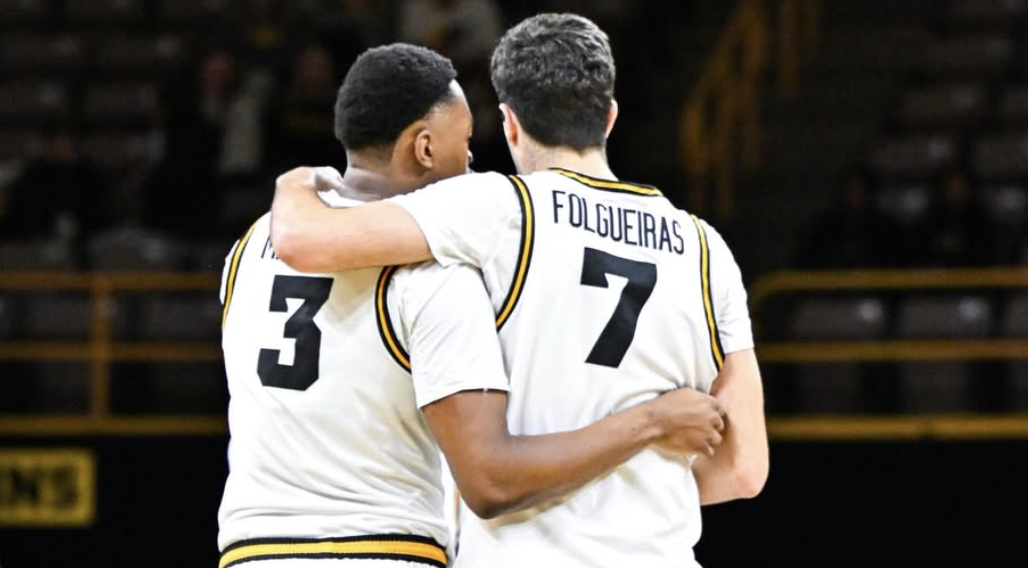
Enter Alvaro Folgueiras.
Fresh off a 15-point double-double in a possession-by-possession NCAA Tournament game against Alabama, the Robert Morris big man was weighing his options in the transfer portal and Iowa knew it had to get involved. Folgueiras’ 14.1 points and 9.1 rebounds were appealing, but his 41.3% shooting from 3-point range–which ranked 101st in the country–offensive rating–which ranked 217th in the country–and true shooting percentage–which was 40th in the country–indicated that he was a fit within McCollum’s system.
Barnwell was a point person in Folgueiras’ recruitment as a result of “previous relationships” with the people “behind” Folgueiras that he’d formed as the head coach of Sunrise Christian Academy, but says Iowa’s staff had already been recruiting Folgueiras for a week prior to his arrival from the Texas Tech staff. All along, he was an important piece to this Iowa team becoming more talented than the one McCollum built at Drake a year ago.
“One of the things that they were lacking in the year before was somebody that could pick and pop, really process and pass,” Barnwell told Basket Under Review. “The size and the versatility was what we were looking for, so it felt like a great match.”
Folgueiras has proven Barnwell right with a start to the season that has placed red numbers–which indicate a national ranking–all over his KenPom profile. The Iowa big man is 95th in the country in offensive rating, 162nd in defensive rebounding rate, 402nd in assist rate, 73rd with a 69.7% two-point make rate and 105th with a 45.7% mark from 3-point range.
Perhaps most importantly, Folgueiras adds a dimension to Stirtz’ game with his ability to space the floor and to be a reliable pick-and-roll partner. The Robert Morris transfer fills perhaps the biggest need that McCollum needed to fill this offseason and has lived up to his billing.
“When he’s on and hitting shots and staying out of foul trouble he’s a tremendous help to our team,” Stirtz said. “He gives us a lot of energy and fire and I think it really helps us.”
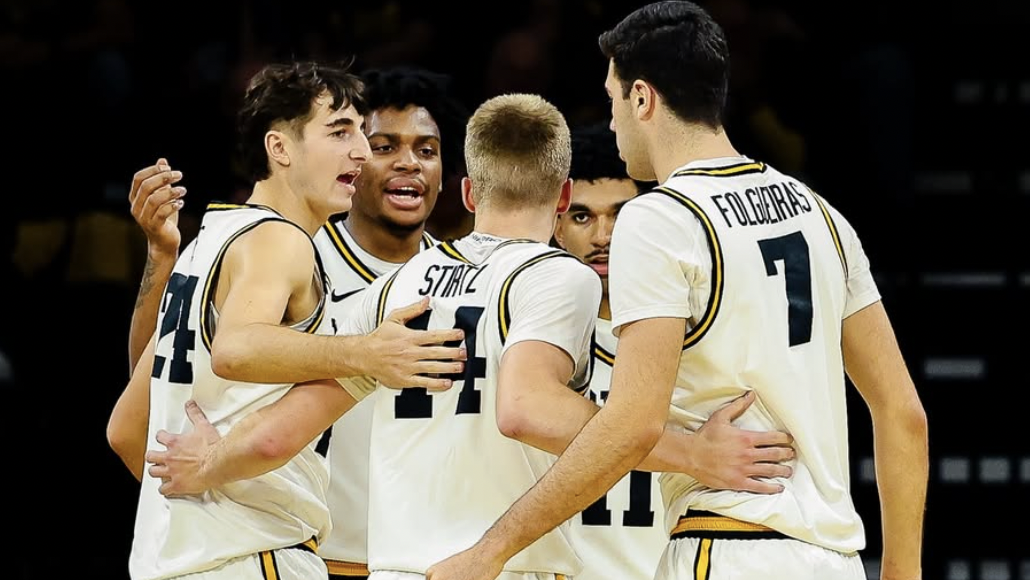
McCollum is more open about the idea that he doesn’t have the most talented team in the BIG 10 than perhaps any other coach in the league. Instead of using it as a crutch, though, he uses it to demonstrate that they don’t have to be in order to win consistently.
The first-year Iowa head coach’s hypothesis has been proven correct thus far. McCollum’s team is 10-2, ranked No. 19 in KenPom, is No. 12 in the NET, won an MTE championship and has the look of an NCAA Tournament team. The keys, McCollum says, are a fit that’s developed intentionally in roster building and a level of continuity that’s rare in today’s college basketball landscape.
“We don't want to be under talented, but we would prefer the intangible talent first,” McCollum said. “We feel like that's gonna make what talent you do have better than it actually is. That connection, that synergy helps a ton. And if you don't have that intangible talent, then your physical talent can't grow or be as good as you want it to be.”
McCollum appears to be fundamentally opposed to the idea of getting the five most talented players you can afford and figuring out the rest later. He says the hardest part of that is convincing a player to go from scoring 20 points in another program to scoring 10 in his. He also says that he believes that others can “overthink” coaching staffs and that he looks for those who he feels he “can do life” with.
This isn’t–and never will be–about All-BIG 10 awards or flaunting the highest-paid roster in the league. It involves brutal honesty, little things and loyalty. This is about winning as a result of principle. That’s why this build can work despite not being entirely conventional.
“In a world where everything is results driven, we're counterintuitive,” Barnwell said. “We aren't as talented as teams, we're not as big as teams and we're not as whatever you want to say. But, when you put it together and you do it every single day and you battle and compete every single day to be your best the 31 times you play games, the talent doesn't matter. It’s how connected we are and how tough we are.”
