


For the next two months, this sport has the stage.
It's college basketball's time of year and it appears to be ready to take the reins from the NFL. It's got everything this season; an elite top of the sport, a crop of unbelievable newcomers and a healthy--or unhealthy, depending on who you ask--level of controversy.
Here's the 10-best storylines to follow as college basketball becomes America's sport.
- A thrilling race for No. 1
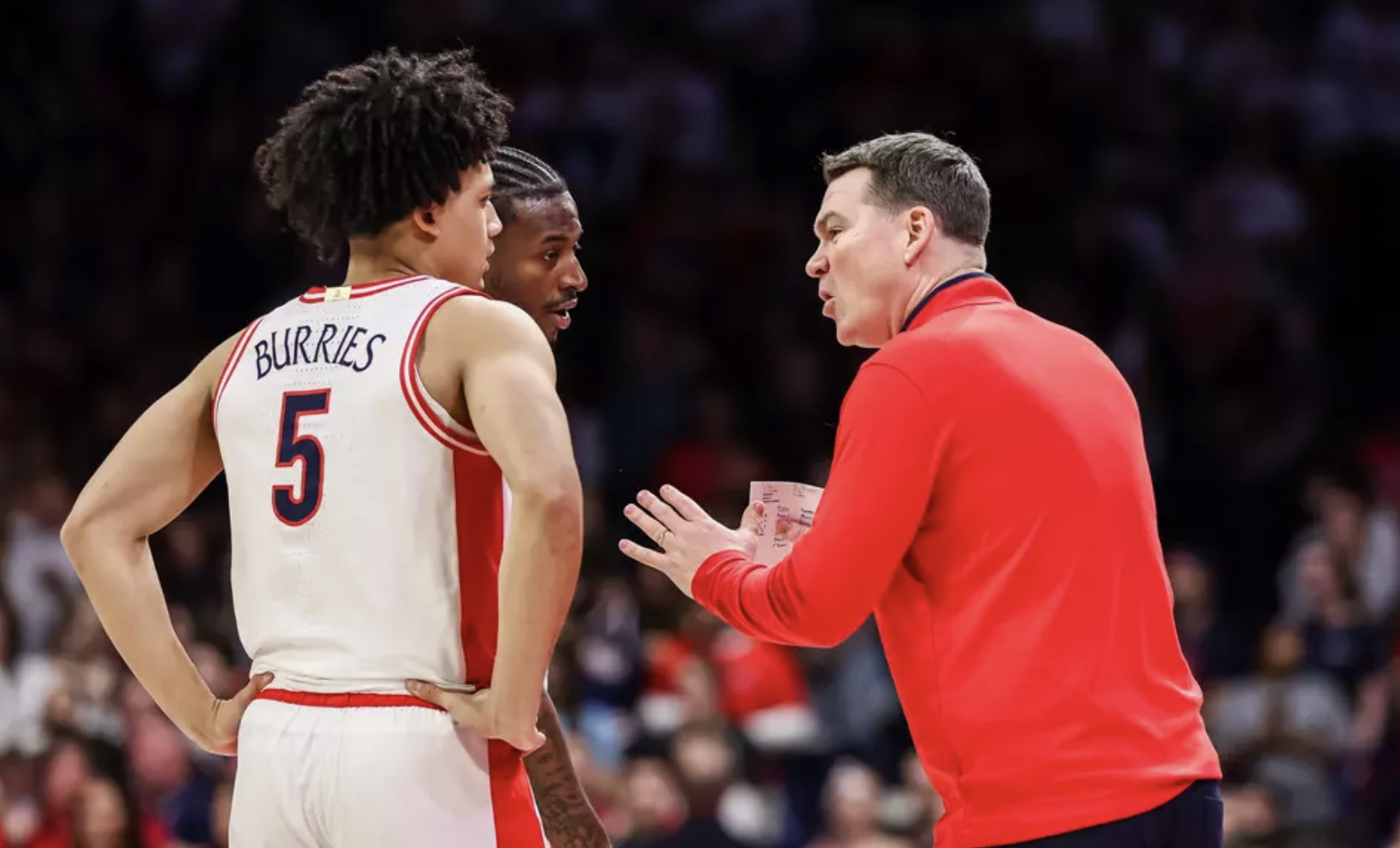
-Arizona: It’s starting to feel like 2001 again in Tucson. Tommy Lloyd’s Wildcats are the lone remaining undefeated power-five team and have wins over UConn, Florida, Auburn, Alabama, BYU and everyone else on their schedule. Arizona is the No. 1 team in college basketball, is No. 5 in offense and No. 1 in defense heading into Monday night’s matchup with Kansas.
-Michigan: Michigan’s week in Las Vegas was the most impressive week a college basketball team has put together in an MTE in a long time. Dusty May’s Wolverines took down San Diego State 94-54, trounced Auburn 102-72 and beat Gonzaga 101-61. A loss to Wisconsin has taken the No. 1 label from Michigan for now, but the Wolverines are 14-1 with wins over Nebraska, Michigan State and Villanova since their trip out west.
-UConn: If there’s such a thing as the No. 3 team in the country being undervalued, UConn is. Dan Hurley’s group looks to be capable of making another national title run in Alex Karaban’s final season and they’ve proven it with a 22-2 start in which they’ve taken down BYU and Florida. The Huskies’ two losses? Arizona by four points and St. John’s in a marquee Big East matchup.
-Duke: Don’t look now, but Duke is right in the mix again after a Final Four run last season. The Blue Devils are No. 8 in offense, No. 3 in defense and have a Division-I high 10 quad-one wins as well as three quad-two wins. Once again, Jon Scheyer has a national title contender on his hands with a star freshman. Duke fell to North Carolina in a classic game on Saturday, but don’t expect it to lose much more in the regular season.
-Other contenders: Iowa State, Houston, Purdue, Florida, Illinois, Gonzaga, Michigan State
- The ACC’s resurgence
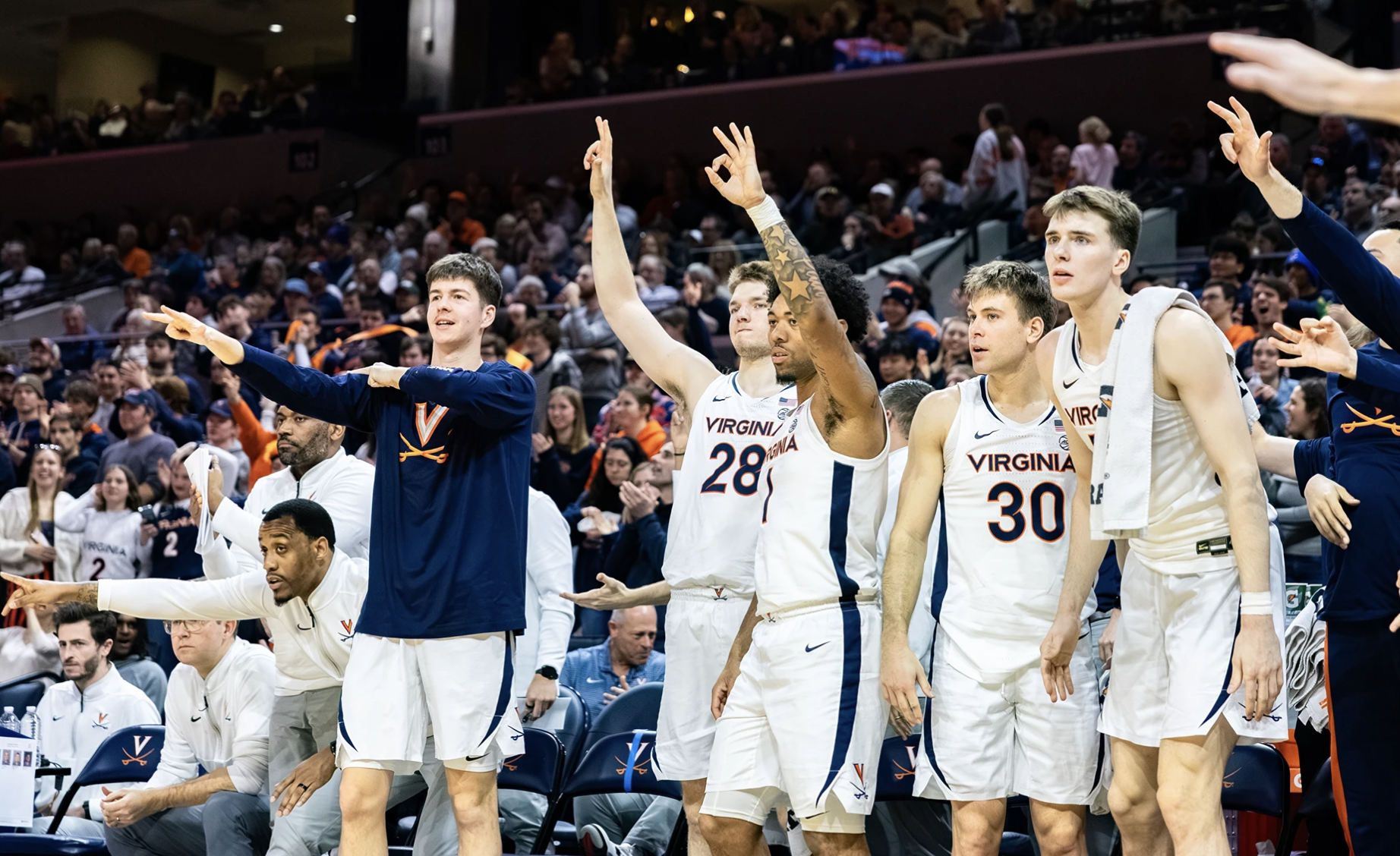
The ACC got just four teams into the NCAA Tournament a season ago–which was its lowest since it was a 12-team league in 2013–and was lacking the prestige that it once had because of the tough times some of its most historically relevant programs were facing. Something had to give, or it was going to continue to fall behind the times.
These days, it’s closer to getting its prestige back than it’s been in recent memory. The league has five teams ranked in the AP Top 25, eight teams projected to make the NCAA Tournament as well as a general higher level of coaching talent and financial investment in player personnel–which has led to more talent finding its way to the league.
The constant between this season’s ACC and last is that Duke is 21-2 and a national title contender. North Carolina is also among the nation’s best teams. The difference, though, is Virginia, NC State, Miami, SMU, Virginia Tech and Cal all improving significantly.
Who knows how this all shakes out for the ACC, but at the very least the night-in-night-out competition level in the league has raised significantly. That’s a meaningful development for college basketball as a whole.
- The year of the freshman
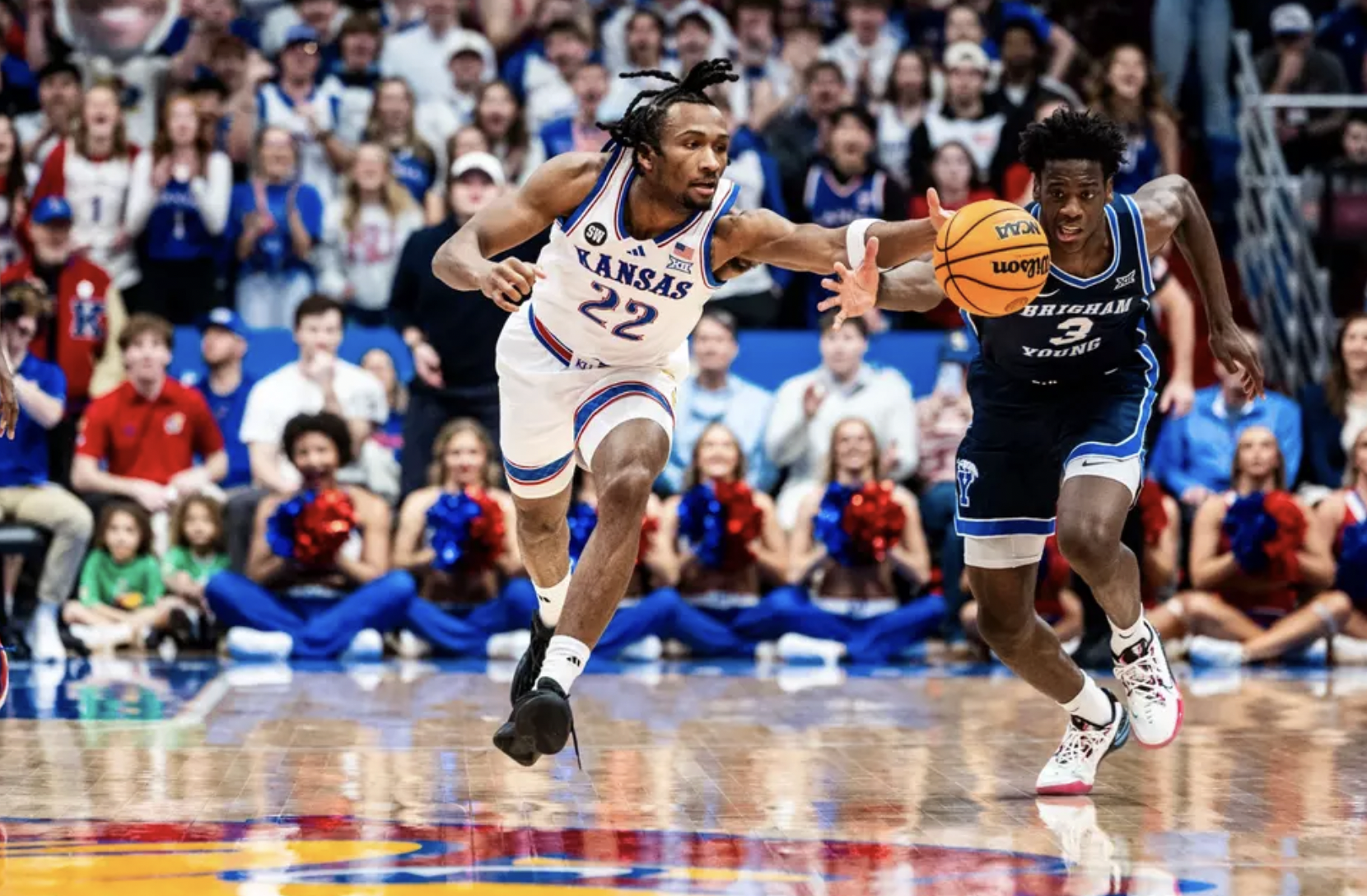
Say what you will about the landscape of college basketball these days, but don’t say it isn’t attracting elite freshmen of all shapes and sizes. This appears to be a loaded NBA Draft class and seemingly all of the best players in it opted to choose the college route. College hoops has a three-way race for the first-overall pick, a few seemingly impossible to predict freshman rises and a few go-to options on AP Top 25 teams that are still teenagers.
Here’s the biggest names to know:
-Darryn Peterson, Kansas: Peterson is as dynamic an off-the-bounce scorer as college basketball has had in the form of a freshman in a long time and is the odds on favorite to be the No. 1 pick in the NBA Draft, depending on where you look. Peterson’s season has been clouded by some injury issues, but he’s averaging 20.5 points a night on one of America’s best teams while shooting 48.9% from the field. Enjoy him while he’s here, folks.
-AJ Dybantsa, BYU: Dybantsa is an electrifying scorer that has the physical tools to be a good defender in the NBA, as well. If it’s not Peterson that’s the No. 1 pick in the draft, it’s likely going to be Dybantsa because of his ceiling on both ends as a 6-foot-9 wing capable of taking over a game. The BYU star is No. 1 in the country with a 24.0 point per game average and broke 40 with a 43-point performance against Utah. “Generational talent,” BYU coach Kevin Young said.
-Cameron Boozer, Duke: Boozer is perceived as a high floor option with a lower ceiling than Dybantsa and Peterson, but he’s going to make an NBA team happy for a long time. Boozer–the son of former NBA standout Carlos Boozer–is the second-leading scorer in college hoops and is firmly in the National Player of the Year race. The 6-foot-9 forward has a rare combination of touch, physicality and composure for someone his age. “The way he scores and affects the game and impacts winning is the best I’ve seen,” Duke guard Caleb Foster said.
-Caleb Wilson, North Carolina: There may not be a more electrifying athlete in the sport than Wilson, who leads the Tar Heels in scoring, rebounding, shotblocking and steals. Wilson has led the Tar Heels in scoring in 17 of their 25 games this season. Wilson was the star of the show in the Tar Heels’ Saturday win over Duke. “We love the ball in his hands; he makes great decisions,” North Carolina coach Hubert Davis said.
-Keaton Wagler, Illinois: Wagler, a relatively unheralded recruit, drew the eye of Illinois coach Brad Underwood as a result of his passing ability and is the only American player that Underwood has offered without seeing in person. Wagler’s magnum opus came in a 46-point outing against Purdue–which he followed up with a 28-point outing in Illinois’ road win over Nebraska. “He’s fearless,” Underwood said.
-More elite freshmen to watch: Brayden Burries, Arizona. Alijah Arenas, USC. Darius Acuff, Arkansas. Kingston Flemings, Houston. Ebuka Okorie, Stanford. Koa Peat, Arizona. Mikel Brown, Louisville. Nate Ament, Tennessee. Meleek Thomas, Arkansas. Bryson Tiller, Kansas. Shelton Henderson, Miami.
- Eligibility
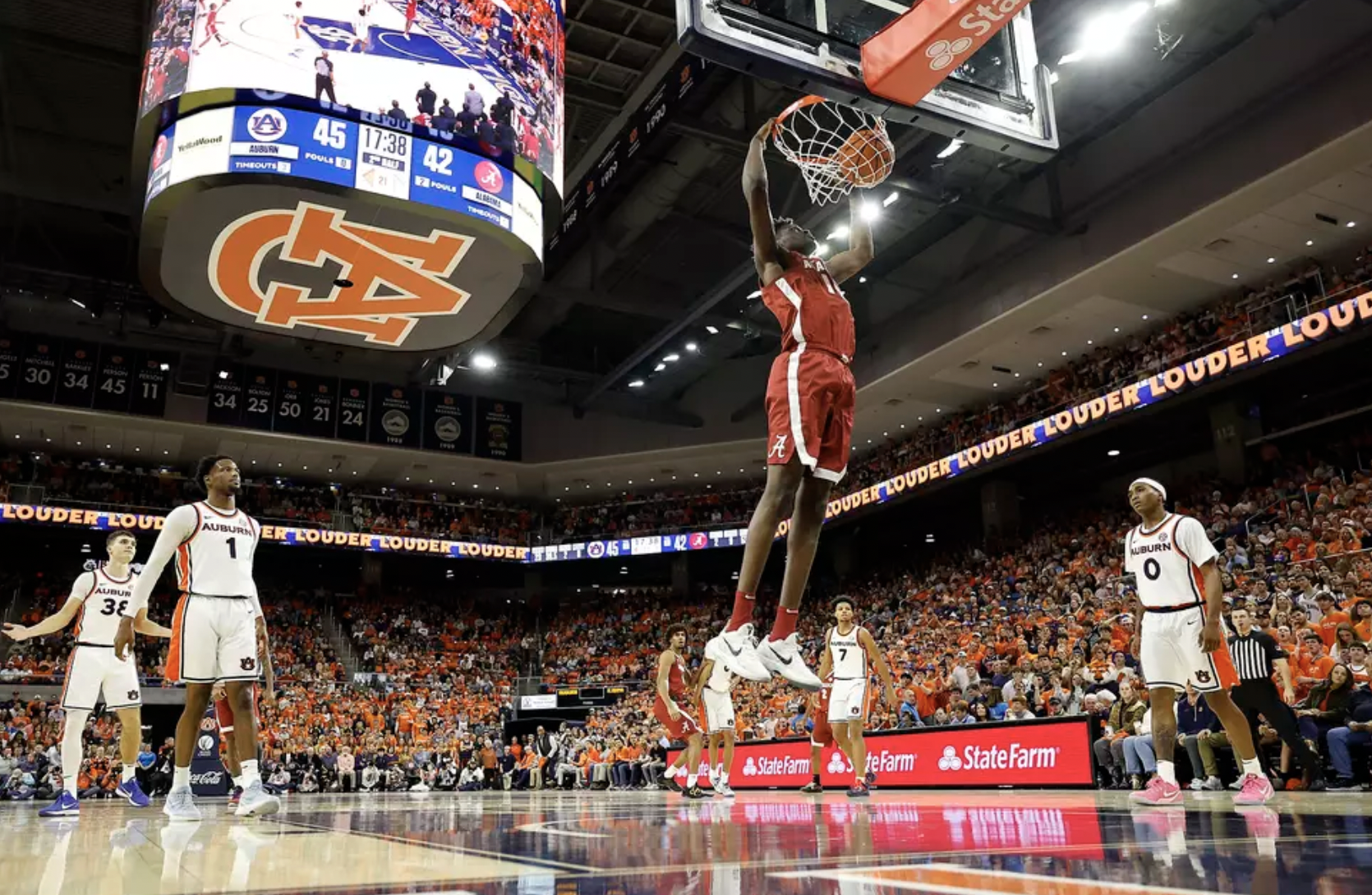
Remember Charles Bediako? Yes, the one from a few years ago. Yes, the one who declared for the NBA Draft. Well, he’s playing college basketball again and has filled the biggest hole that Alabama had on its roster.
Bediako being granted eligibility is the most demonstrative example of a school pushing the envelope in terms of college eligibility.
The Alabama big man played college basketball in 2021-22 and 2022-23, gave up his college eligibility after his second college season and has since played in the NBA G-League—and did so as recently as the week before his return to Alabama. Here he is as a result of a few temporary restraining orders, though. Alabama coach Nate Oats argues that Bediako is within his eligibility window and that the idea that Bediako never appeared in an NBA game should be helpful to his eligibility. Oats has previously made complaints about college basketball’s eligibility system–particularly as it relates to a number of former international pros coming to play college basketball before their five-year window is up–but he has used one of its loopholes to his advantage.
"We've got to come up with a uniform and transparent system that doesn't give preferential treatment to international players like the current system does because those guys can play four years professionally and then come here," Oats said. "Is it good for the sport? At some point, we've got to get it to where everybody has got a uniform, transparent. We all know who we can recruit and who we can't recruit, that doesn't give preferential treatment to international players. Once they figure that out, it will be great. If this helps them get to that point, that would be great. But they need to get to that point."
Oats isn’t the first in his profession to add a player midseason via the G-League. Baylor coach Scott Drew added former Charlotte Hornets draft pick James Nnaji at winter break. Nnaji’s case is different, though, because he had never played college basketball before.
Former UCLA guard Amari Bailey—who has appeared in NBA games and gave up his eligibility to pursue the draft—is working to play college basketball again. If Bailey is granted eligibility—which appears unlikely—his case would open the floodgates for NBA players within the five-year window to return to college.
“We're still in an educational institution, but there is nothing educational about college basketball right now,” Houston coach Kelvin Sampson said. “It's all transactional. And we all put our heads in the sand."
- Hot seat
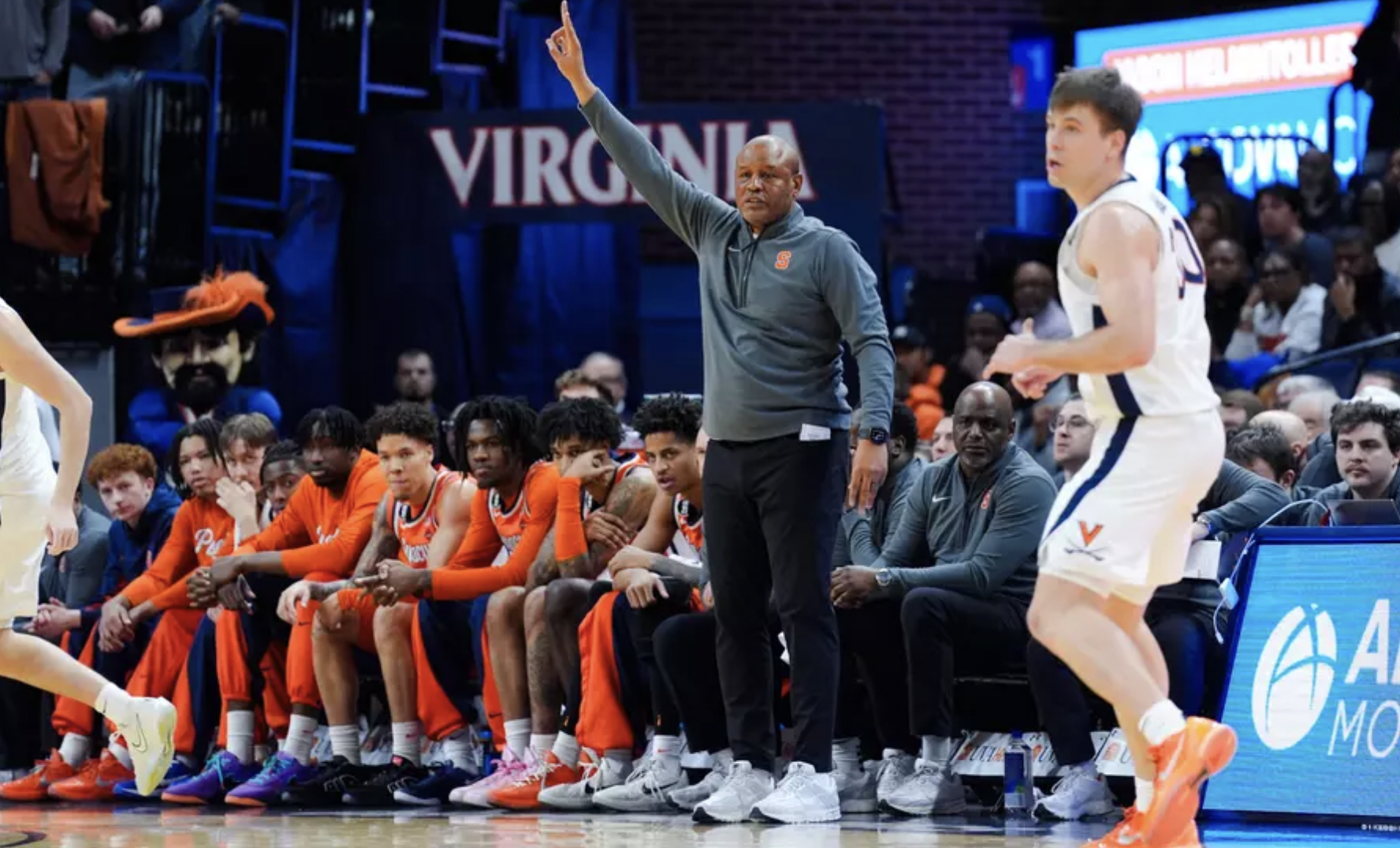
—Adrian Autry (Syracuse). Autry is one of Syracuse’s own and it appeared as if this could be the season that his program figured things out, but the program’s preseason optimism hasn’t manifested itself in results. Syracuse has higher standards than Autry’s 47-42 record as head coach and zero NCAA Tournament appearances.
—Kim English (Providence). It’s only year three for Kim English, but he’s yet to take the Friars to the NCAA Tournament and appears to be heading towards his second-consecutive losing season after losing in the first round of the NIT in year one. The indication is that Providence has more than ample player compensation, which—paired with its passionate fanbase—makes multiple losing seasons in a row difficult to swallow.
—Earl Grant (Boston College). While most of the rest of the ACC has ascended, Grant’s program has become a candidate to finish last in the league. Boston College has notoriously equipped its programs poorly for success financially, but even in that reality it hasn’t gotten enough from its basketball program in recent history. Change could be on the horizon at Conte Forum.
—-Matt McMahon (LSU). No coach has dealt with a more public trip to the hot seat than McMahon. LSU athletic director Verge Ausberry said earlier this season that if “If he doesn’t make it (to the NCAA Tournament), we’ll have to reevaluate.” The transparency is refreshing, but makes McMahon’s standards clear. He’s got to make the NCAA Tournament.
—Wes Miller (Cincinnati). Year five has been viewed as a pivotal one for Miller—who hasn’t made the NCAA Tournament or reached the NIT—but it hasn’t gone to plan. Miller’s Bearcats have an 11-12 record and have lost to Eastern Michigan, Xavier and Arizona State. Cincinnati is viewed around the industry as a job with some potential, but it may need a new voice to get to where it’s capable of.
—Jeff Capel (Pittsburgh). Capel helped himself by getting Pitt to the NCAA Tournament in 2022-23, but he’s won 20 games just twice in his eight seasons at the helm. This season is on track to be his worst if the trends associated with Pitt’s 9-15 record and its embarrassing loss to Louisville indicate anything. The indication is that Capel’s buyout could be prohibitive and that this may have to really bottom out for Pitt to make a change, though.
—Lamont Paris (South Carolina). Paris had an exceptional year two in Columbia, but has struggled to build on that momentum. His Gamecocks team still appears to be bought in, but is 11-13 and in the mix for a last-place finish in the SEC again. The question of resourcing and investment in men’s basketball still looms over this program, though. Paris could get another season as a result of his 12 million dollar buyout.
—Bobby Hurley (Arizona State). Hurley can probably put his situation best. “The light in the tunnel, it’s hard to see a lot of light,” he said. Hurley has taken this program to the NCAA Tournament three times and has made it relevant at times, but he says he can’t get through to this team. If these results hold, that will make three-consecutive losing seasons in Tempe. Perhaps that will convince Arizona State’s administration that it’s time for the end of Hurley’s tenure.
- Jump seat
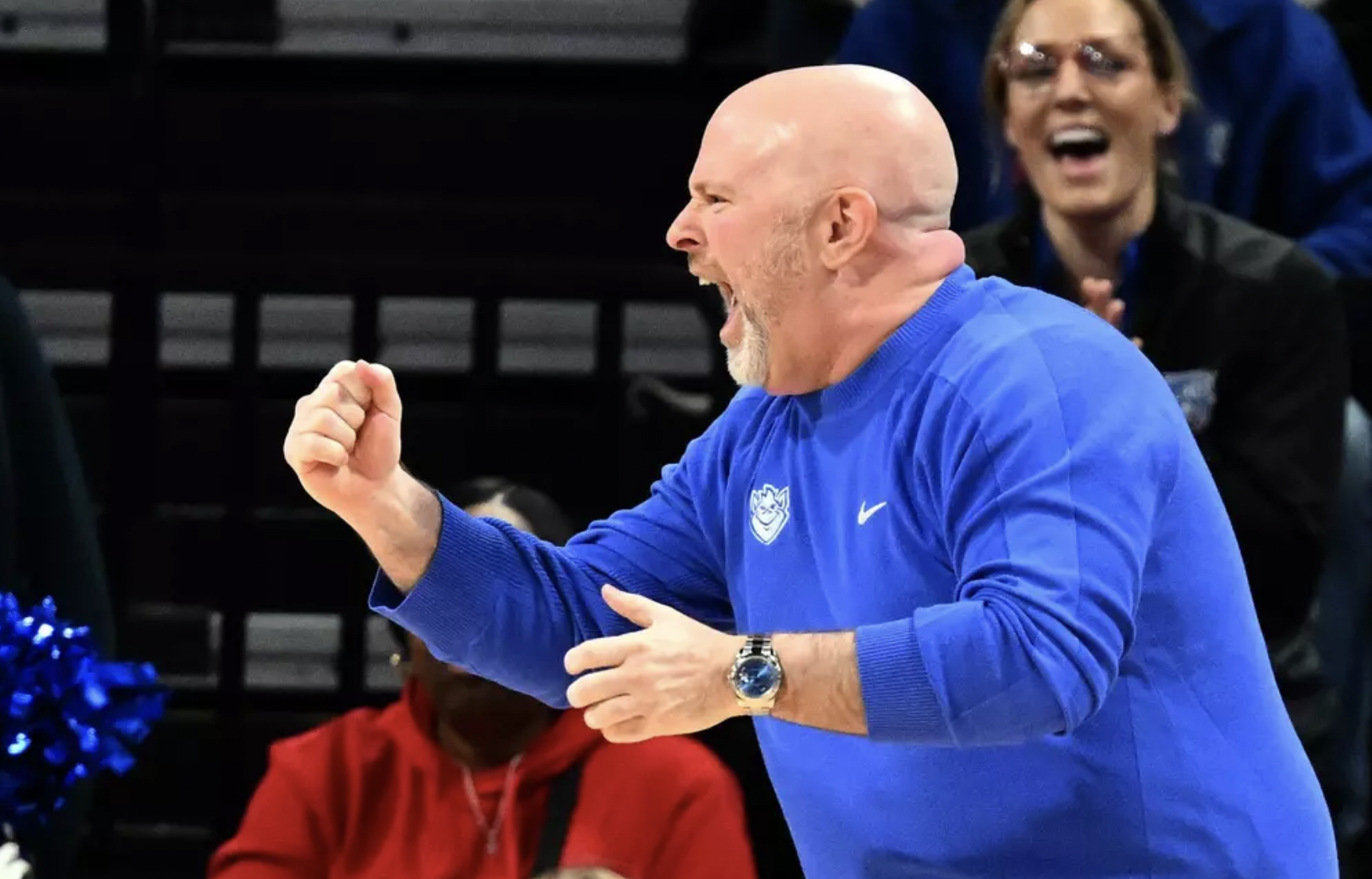
—Josh Schertz (Saint Louis). Schertz is set to be the hottest candidate on the market. The Saint Louis coach has gotten the Billikens into the AP Top 25 in his second year at the helm and his conceptual offense appears to be translatable to the power-five level. He’s also won quickly at every stop. The question is whether Schertz would actually leave Saint Louis, though. Schertz appears to have everything he needs to build a consistent winner as the Billikens head coach, but he will have to turn a few schools down if he’d like to stay there.
—Tony Skinn (George Mason). Skinn has George Mason rolling with a 21-3 start on the back of his “war-zone” like practices that have built his group into one of the country’s toughest. Skinn is a self-described players’ coach and has high major experience as an assistant. He could be a natural fit at a northeast school. Skinn–like Schertz–will have a hard time leaving his current job, though. The George Mason head coach played on the school’s Final Four team under Jim Larrañaga and appears to take pride in seeing players have success like he did at his alma mater. “He coaches like he played, just tough, hard nose,” Larrañaga told Basket Under Review.
—Jerod Calhoun (Utah State). It’s only year two for Calhoun in Logan, but his 26 wins and NCAA Tournament appearance in year one paired with Utah State’s 20-3 start this season have made him a top candidate for multiple potential power-five openings. The Aggies are projected to be an at-large team at this point and lead the Mountain West in offense. Calhoun would be the third-consecutive Utah State head coach to make the move to a power-five gig.
—Travis Steele (Miami Ohio). Steele admits that he’s changed since falling just short in his first career head coaching stint at Xavier and has the results to prove it. Miami University is 24-0 and an at-large contender on the back of Steele’s new conceptual offense and the “north star” that is the program’s culture. Steele told Miami Athletic Director David Sayler that it would probably take until year three of his tenure until he saw significant growth, but he’s lived up to his promise the last two seasons. “I think he’s obviously taken a huge step here, being at Miami,” Miami assistant Jonathan Holmes told Basket Under Review.
—Takayo Siddle (UNC Wilmington). The CAA goes through Wilmington for the second-consecutive season and if Siddle’s team can get over the hump to find their way into the NCAA Tournament again, he could be among the hottest jump seat names on the carousel. Siddle’s team has won 27 games twice in his six-year tenure, has won 20 games in every non-Covid season and is in the midst of a 19-4 start that indicates that this could be his best team. Once the ride is over, Siddle will have plenty of texts and calls to answer.
—Ryan Miller (Murray State). Miller is only in year one–which could make it a year early for him to earn a promotion–at Murray State, but his name has generated some buzz in industry circles already. Miller’s recruiting acumen is obvious and he’s from a largely-successful Greg McDermott tree. The Racers are 18-7 and are No. 2 in the MVC standings. Miller’s program will need a strong finish, but he will likely receive some calls.
—Casey Alexander (Belmont). This may end up as Alexander’s best Belmont team to date and its 22-3 record has been good enough to propel his name into conversations for power-five gigs. Alexander has only gotten over the hump and taken Belmont to the NCAA Tournament once in his six seasons prior to this one, but he’s built an annual 20-game winner in Nashville. If he can get over the hump this season, it would likely mark a now or never moment in terms of his potential to take a jump to the power-five level. Alexander is a Belmont alum and may opt to look to build a life-long legacy as a Bruin like his former head coach Rick Byrd did, though. Alexander and this group understand this program and its history as well as anyone. “I think that’s the reason why we have the record that we do,” Alexander told Basket Under Review in January.
- Excellent Offense
In some ways, it’s never been more difficult to get a stop in college basketball.
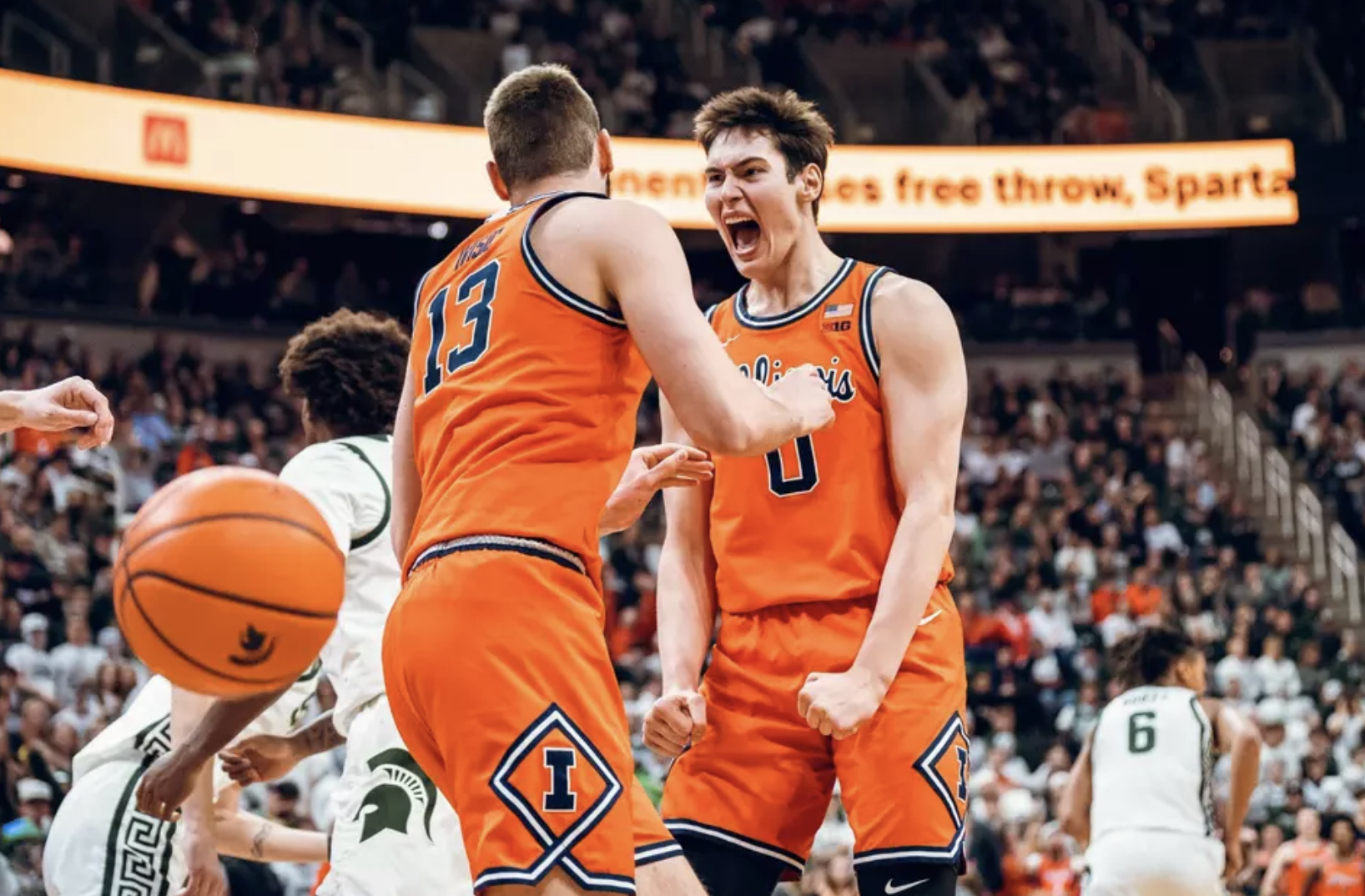
There’s 10 teams averaging over 90 points per game, 96 are averaging over 80 and an Illinois offense that has been the most efficient in KenPom’s history at some points. The abundance of talented off the bounce scoring in the sport has risen significantly and it appears as if a number of coaches leaning into more modern offensive philosophies has paid dividends.
It’s not quite the NBA, but college basketball is far from a tough offensive watch these days.
- Surprise risers
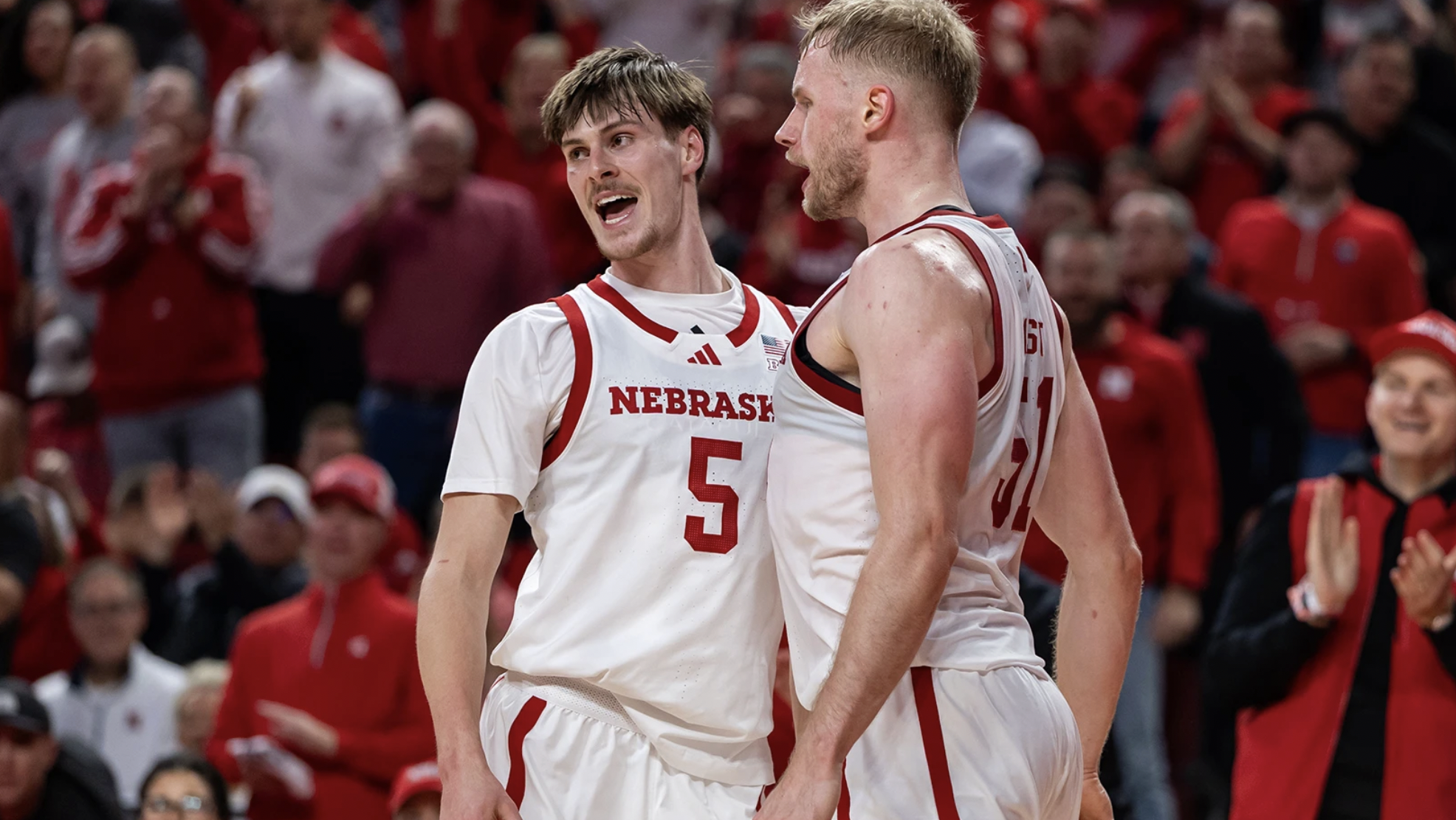
—Nebraska–Fred Hoiberg’s Huskers were one of college basketball’s final three undefeated teams and nearly stayed undefeated in a trip to Michigan in which they were missing star forwards Rienk Mast and Braden Frager. The program admittedly doesn’t have unlimited resources and has never won an NCAA Tournament game, but its AP Top 10 ranking wouldn’t indicate that those things are holding it back. This group has opted for fit and is on a path to becoming a team that transcends this program’s past. “My dad’s seat was getting hot there, and rightfully so with his first few seasons and how rough they were,” Nebraska guard Sam Hoiberg told Basket Under Review. “The most rewarding thing is just from where we were and how down we were in that locker room my first year to being a top 10 team and feeling genuinely like you're one of the best teams in the country, that's been so rewarding.”
—Texas A&M–Bucky McMillan has always been a winner, but he had some grace–as well as some questions as to whether his patented “Bucky Ball” style would work against more talented SEC teams–in his first year as a power-five head coach. McMillan has proven that his style and this roster–which is led in scoring and rebounding by surprising USC transfer Rashaun Agee–can work right away in the SEC as they’ve gotten off to a 17-6 start and held first place in the SEC for a decent stretch of league play. McMillan was a high school coach six seasons ago, now he’s got an SEC contender and a team that could be ranked in the AP Top 25 on Monday.
—Virginia–The idea that Ryan Odom wouldn’t find a way to build a winner at Virginia was futile, but his program is ahead of schedule in year one. Virginia is 20-3 and is No. 3 in the ACC standings. The idea that Odom’s team is capable of more than its record indicates is also applicable here. This group is the complete package. It’s got a few remarkably capable bigs, multiple guards that can get it off the bounce and a clear identity. It’s also got one of the best stories in college basketball in Jacari White. Regardless of how this ends, Odom has exceeded expectations this season.
—Vanderbilt—A step forward after an NCAA Tournament season and a full offseason at the helm was natural for Mark Byington and company, but not many saw a 19-4 start and a likely top-five seed in the NCAA Tournament coming. The Commodores have excellent guardplay with Tyler Tanner and Duke Miles and have nailed evaluations under Byington—who is regarded as an emerging star in the profession. “He’s the elite of the elite,” an opposing coach told me. “[Byington] is the best in the country in my opinion in spreading defenses out by removing help side tags through good actions and having serious threats that defenses get caught chasing while the primary action is going on.”
—UT Martin—Jeremy Shulman has quietly put together one of the best year ones in the country as UT Martin’s head coach. Shulman and company leaned more heavily into international recruiting than just about anyone in the country and has just four American players on his roster. It’s paid off for the SkyHawks as they’re off to a 19-6 start and are in first place in the OVC. UT Martin’s defense is No. 10 in opponent effective field goal percentage, No. 8 in opponent 3-point efficiency and has found an identity by playing at the No. 324 tempo in the country. The OVC runs through Martin, Tennessee, these days after Shulman’s first season ended in just 14 wins.
- Surprise disappointments
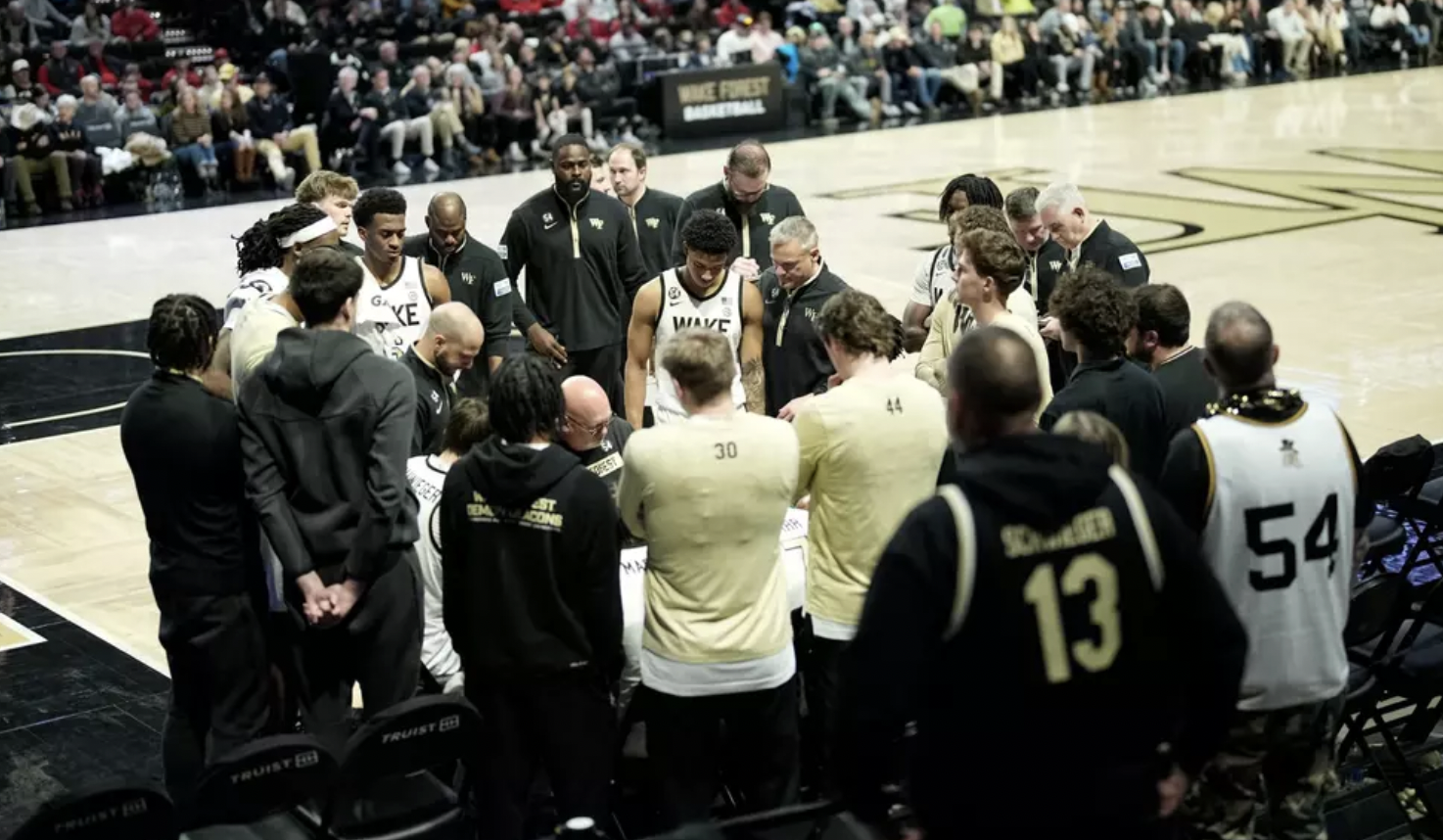
—Wake Forest—This appeared to have a chance to be Steve Forbes’ best team since his arrival at Wake Forest in 2020, but that appeared to be more optimistic than anything. The Demon Deacons are 2-8 in ACC play, have lost five in a row, are last in the ACC in defensive efficiency and have Forbes in hot seat discussions himself.
—Syracuse–This has always appeared to be a make-or-break year for Syracuse in Adrian “Red” Autry’s, yet here it is at 4-7 in league play with two quad-three losses–well below the standard that this program has set. Autry getting JJ Starling and Donnie Freeman back while adding Naithan George as well as Kiyan Anthony provided some hope that this could be the year Autry finally gets this program back to the NCAA Tournament, but that doesn’t appear to be the case.
—Kentucky–Kentucky will still make the NCAA Tournament and has found itself in recent weeks, but it’s ranked No. 28 in the NET, has a 17-7 record and has some obvious roster deficiencies–namely point guard play. Injuries have taken a toll here, but this has been disappointing even when considering them. This is Kentucky. This is the most expensive roster in the sport. It should be elite, not just good or above average.
—Oklahoma—Porter Moser appeared to be building something in Norman a season ago when he landed now-New Orleans Pelicans guard Jeremiah Fears and took the Sooners to the NCAA Tournament, but all of it has stalled out. Oklahoma is 2-9 in SEC play, No. 11 in offensive efficiency in the SEC, No. 15 in the league in defensive efficiency, had lost nine in a row prior to Saturday’s win at Vanderbilt and Moser is closer to the hot seat than taking the Sooners back to the dance.
—Loyola Chicago–There may not be a team in the country that had its hopes of living up to expectations squashed sooner than Drew Valentine’s group. Before Valentine could blink, his group was 1-7 with losses to Mercyhurst and Northern Illinois. Injuries have played a factor, but they wouldn’t change all that much of what’s gone wrong for Valentine’s group. Loyola is 6-19 after receiving a few first-place votes in the A10 Preseason Poll and finishing fifth in the preseason ranking. It’s been a stunning reality check for the Ramblers.
- A wealth of great point guards
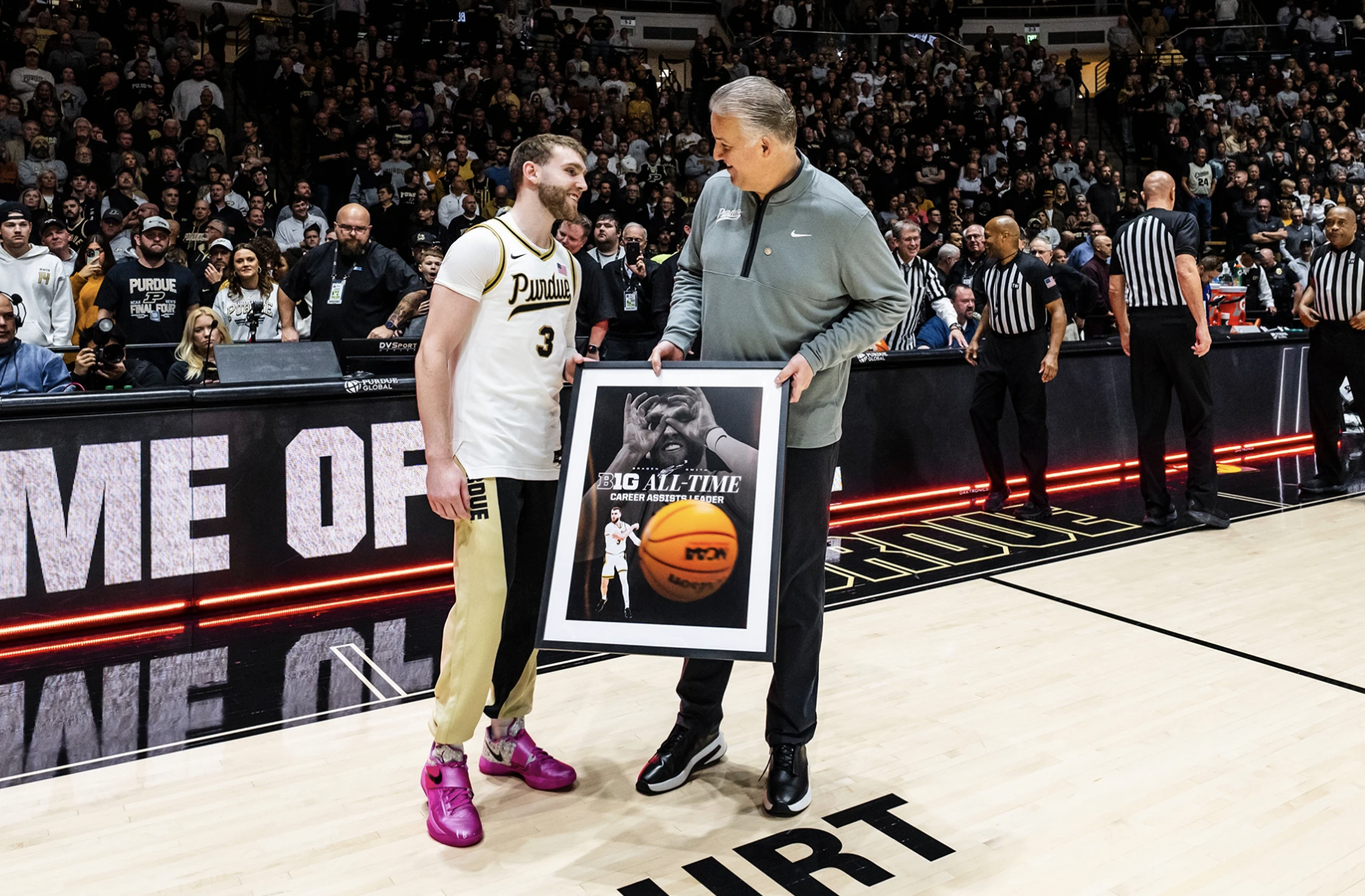
-Braden Smith, Purdue–Smith has a chance to be best point guard this sport has seen in a long time by the end of all this, enjoy him while he’s here. The Purdue guard is averaging 15.2 points and 8.7 assists per game while ranking nationally in nine efficiency metrics. By the time this is all over, he may have the all-time NCAA assists record. Smith gives Purdue a chance to make a deep NCAA Tournament run, if he can do it then his legacy will be among the greatest in this program’s history.
-Jeremy Fears, Michigan State-Fears has cemented himself as one in a long line of great point guards that have starred for Michigan State under head coach Tom Izzo and has a chance to leave a legacy as special as some of Izzo’s best. Fears is averaging 15.1 points, 2.7 rebounds and an NCAA-best 9.1 assists per game. If not for Smith, Fears would have more declarations surrounding his name that relate more to his status as the game’s best point guard than his controversial plays that opposing coaches have called dirty.
-Jaden Bradley, Arizona–Bradley doesn’t get the national publicity that he deserves, but he’s the engine to the No. 1 team in the country and will be running the show deep into the NCAA Tournament if everything goes to plan.
-Bennett Stirtz, Iowa: Iowa coach Ben McCollum knew long ago that he was building his first Iowa team with Stirtz in mind. It’s paid off for him as Stirtz–who McCollum initially recruited to play Division-II–has emerged as one of the country’s most impactful guards. “Bennett is your mainstay and your best player,” Iowa assistant Luke Barnwell told Basket Under Review. “The talent is obvious. The success is obvious.”
Other great point guards to watch: Labaron Philon, Alabama. Ja’Kobi Gillespie, Tennessee. Christian Anderson, Texas Tech. Tyler Tanner, Vanderbilt. Donovan Dent, UCLA. Tamin Lipsey, Iowa State. Josh Hubbard, Mississippi State. Kylan Boswell, Illinois.
